
Instructional designer jobs at Australian universities are the most underrated roles in the sector right now. You get professional salary bands, proper superannuation, and work that actually ships — a course goes live, thousands of students use it, and you built the thing. Try saying that about a policy officer gig.
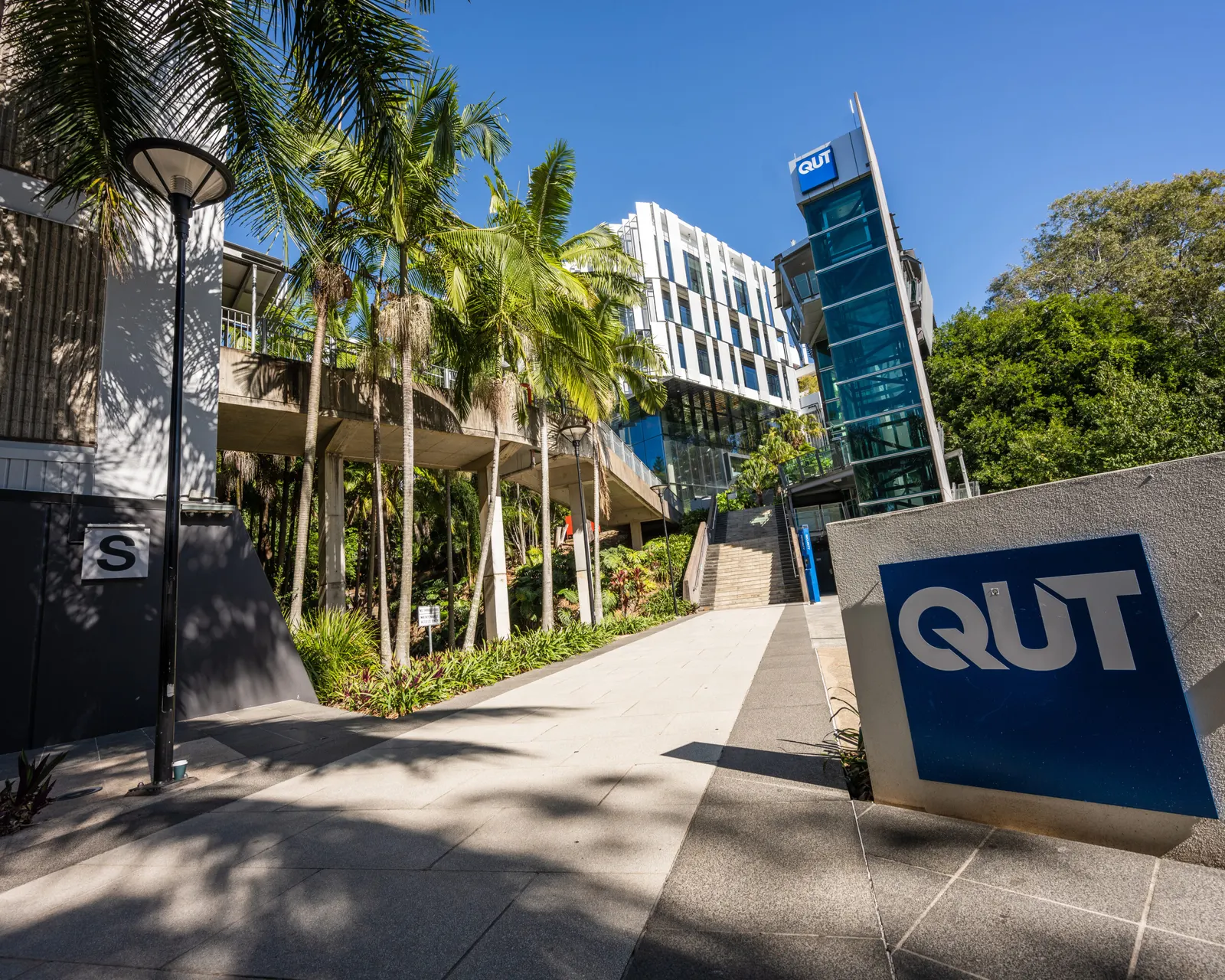
QUT has a live opening for an instructional designer, and it tells you where the money and the attention are moving in Australian universities: into digital learning units, not just classrooms.
If you've been designing training for corporates or government, or building courses in TAFE and registered training organisations, wondering whether a university would take you seriously, the answer is yes, more than ever. Universities need people who can design learning in Canvas and Articulate, who understand accessibility, and who can sit with an academic without getting walked over. That combination is scarce, which is why the roles pay properly.
What a university instructional designer actually does
Strip the title away and the job is this: you turn a unit outline and a pile of academic content into a course students can actually complete. You write the structure, build the pages in the learning management system, design the assessments, and pressure-test the whole thing against accessibility standards.
At QUT that means Canvas, because the university runs Canvas across both its Brisbane campuses. You'll spend your week in page editors and quiz settings, building H5P interactions, checking contrast ratios, writing alt text, updating broken links, and sitting with subject coordinators who know their discipline cold but have never built an online quiz in their lives.
One day you're storyboarding a module for first-year nursing students. The next you're rebuilding a law elective so a screen reader can read every table. It's production work with a design brain attached. The good news: nobody expects you to publish research, and you don't have to mark anything.
Why these roles keep growing
Australian universities spent the first two years of this decade wiring every course for remote delivery. That work didn't unwind once campuses reopened. External and mixed-mode enrolment held up, and quality regulators kept the pressure on. TEQSA, the national regulator, reviews whether institutions support effective online learning — a review doesn't get far without people who design courses properly.
Enrolment data from the Department of Education shows the long trend: roughly one in five Australian university students studies in external or wholly online modes, and the share climbed through the pandemic. Universities aren't hiring instructional designers because it's fashionable. They're hiring because students enrol where the course works on a phone after a night shift.
QUT's scale makes the stakes concrete: around 50,000 students across the Gardens Point and Kelvin Grove campuses, hundreds of units a year, and a learning management system that is now the front door to most of them. Rewriting one first-year chemistry unit for online delivery touches a couple of thousand enrolments in a single semester. That's why design roles keep getting funded while other admin roles freeze.
The supply side hasn't caught up. Instructional design experience is common in corporate learning and development and in the VET sector, but people who know university quality frameworks, academic governance, and the rhythm of a teaching semester are rare. ASCILITE, the Australasian association for learning technology in tertiary education, keeps growing because that community is the only place many of these specialists find each other.
Pay, conditions and the fine print no ad mentions
Instructional designer roles at Australian universities typically sit at HEW 7 or HEW 8 — Higher Education Worker Levels in the enterprise agreements. In money terms, you're looking at a base salary in the range of roughly $95,000 to $120,000 plus 17 per cent superannuation, depending on the institution and the level. Market data from the Hays salary guide puts experienced instructional designers at similar or higher numbers, so universities are competitive without being flashy.
What the ad won't tell you: how many hours of meetings you'll sit through, how many course shells need fixing before week one, or that the LMS upgrade in October will eat two sprints. It also won't tell you the parts that matter — hybrid working is common in university learning design teams, and the work lives in systems that stay at work. You rarely carry it home.
One habit Australian universities should drop: writing selection criteria that read like a policy manual. Ten criteria, each one fifty words of abstraction, and the candidate has to guess which three actually decide the interview. If you're hiring, name the three that matter and delete the rest. Candidates notice.
What gets you shortlisted
You don't need a PhD. You need a portfolio. Show three or four course builds — a Canvas or Moodle shell, a storyboard, an H5P interaction, the before-and-after of a module rework — and you're ahead of most applicants. Show that you know WCAG 2.2 accessibility requirements by pointing at the contrast fixes you made, not by saying the word accessible like it's a personality trait.
Then tune your application like this:
- Read the selection criteria and answer each one with a specific example: what you built, for whom, with which tool, and what changed for learners.
- Name the systems in your CV — Canvas, Moodle, Blackboard Ultra, Articulate 360, H5P, Ally, Panopto — because shortlisting panels search for those words.
- Put your best course build link in the first quarter of your application, not as an attachment the panel has to remember to open.
- If you've worked with academic staff, say how many and how you handled pushback on deadlines. That part of the job is real, and interviewers ask about it.
The same discipline you'd bring to writing a winning academic CV applies here: evidence over adjectives. A learning designer's CV is a project record, not a publication list.
Where the field is heading
Learning design in Australian universities is drifting toward three things: learning analytics baked into course design rather than bolted on after the fact, generative AI inside course production, and accessibility treated as a default rather than a retrofit on legacy content. Each of those needs a designer who can make a judgment call, not just operate software.
AI is the loud one. Teams use it to draft quiz banks, generate alt text at scale, cut weeks off storyboarding for large first-year units, and flag content that needs captioning. What AI hasn't done is replace the person who knows a nursing student can't afford a textbook, or that a quiz with six answers is unreadable in the Canvas mobile app. Judgment still has a job.
Microcredentials add another lane. The Australian Government has been building a national microcredential framework, and universities are packaging short courses that need the same design discipline as a full unit, delivered in a tenth of the time. That's more design work, not less.
Your move this week
Here's the practical close. Open the QUT instructional designer listing on their recruitment portal, read the selection criteria twice, and draft one page that answers each criterion with a named thing you've built. Do it before Friday. Good university learning design roles close faster than the sector's own committees like to admit, and this one is live now on the QUT application portal.
Even if you're not in Brisbane, read the ad. The skills it lists are the same skills the next ten Australian university ads will list. You'll know exactly which gap to close in your own CV before the calendar turns.



Discussions
Soyez le premier à commenter cet article !
Vous serez invité à vous connecter avant de publier votre commentaire.