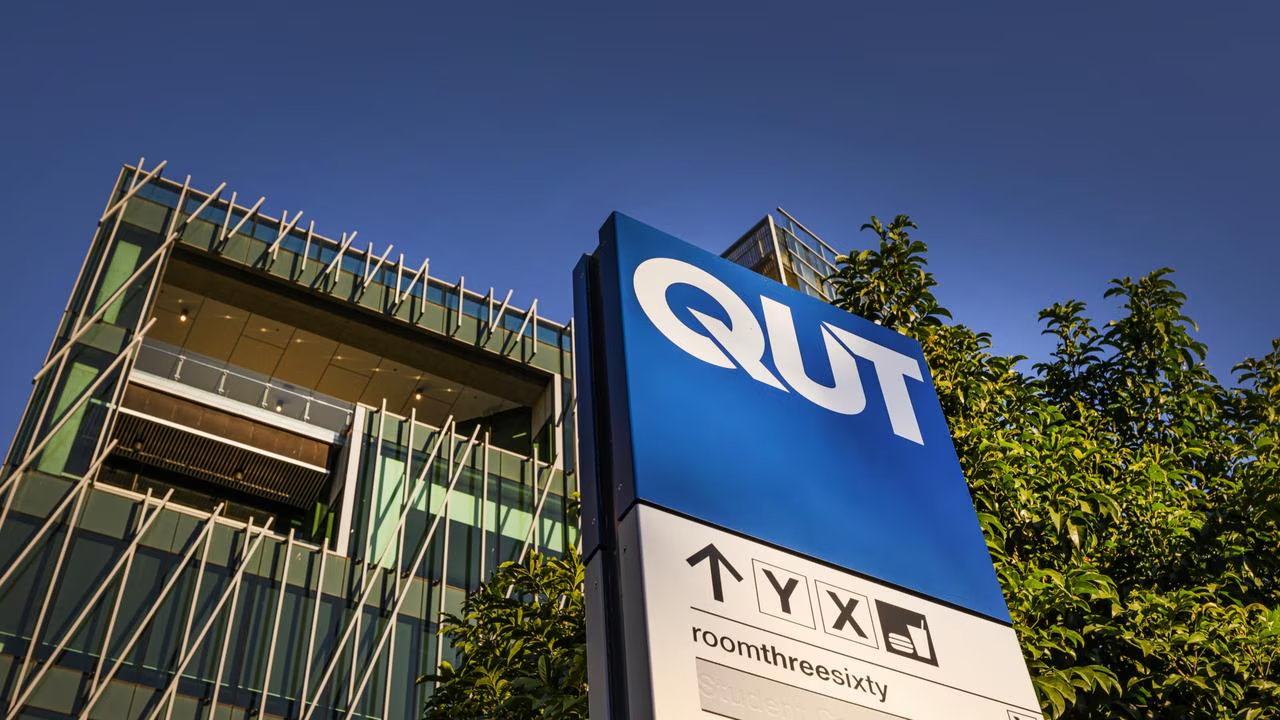
Discovering the Banyo Pilot Plant Precinct: A Hub of Innovation at QUT
Queensland University of Technology's Banyo Pilot Plant Precinct stands as a cornerstone of advanced research in power engineering and energy technologies. Located at 457 Tufnell Road in the Brisbane suburb of Banyo, this state-of-the-art facility supports large-scale testing and validation for projects spanning high-voltage applications, renewable energy integration, and cutting-edge superconductivity developments. Researchers here tackle real-world challenges like integrating solar power into aging grids, developing hydrogen production systems, and pioneering energy storage solutions such as lithium-ion batteries.
The precinct's versatility makes it ideal for scaled-up experiments that bridge the gap between lab prototypes and commercial deployment. Home to the Queensland Energy Storage Technology Hub and the Applied Superconductivity Laboratory, it fosters collaborations with industry giants and government bodies, driving Australia's transition to sustainable energy. For aspiring tradespeople, working here offers unparalleled exposure to multidisciplinary engineering environments where mechanical precision meets groundbreaking science.

The Role of Mechanical Machining in University Research Facilities
In facilities like Banyo, mechanical machining is indispensable for fabricating custom components, maintaining complex test rigs, and prototyping experimental apparatus. Precision machining ensures that superconducting cables, battery housings, and microgrid structures meet exacting tolerances required for high-stakes testing. Unlike traditional manufacturing, research machining demands adaptability—crafting one-off parts for unique experiments while adhering to safety standards for high-voltage and cryogenic environments.
Apprentices contribute by operating lathes, mills, and grinders to shape metals, interpret engineering drawings, and perform quality checks with micrometers and calipers. This hands-on role supports diverse projects, from wind and fire testing labs to hydrogen refueling stations, highlighting how trade skills underpin academic innovation.
What Does a Mechanical Trade Apprenticeship Entail?
A Mechanical Trade Apprenticeship, specifically in the Machining stream, follows the national framework under MEM30219 Certificate III in Engineering - Mechanical Trade. This four-year program blends on-the-job training at QUT's precinct with formal education at a Registered Training Organisation like TAFE Queensland. Apprentices progress through stages, starting with basic fitting and turning, advancing to computer numerical control (CNC) programming and advanced grinding techniques.
- Year 1: Foundation skills in safe workshop practices, manual lathe operations, and basic measurements.
- Year 2: Intermediate milling, drilling, and assembly of components.
- Year 3: Precision grinding, heat treatment, and fault diagnosis on machinery.
- Year 4: CNC machining, tool setting, and production planning for complex parts.
At Banyo, practical experience includes supporting power engineering tests, where accuracy prevents costly failures in prototypes. Trainees earn while learning, with first-year wages around $650 weekly under the Fair Work award, rising progressively.
Skills and Qualifications Needed for Success
Entry typically requires Year 10 completion with strong maths and science aptitude, though mature-age applicants (21+) are encouraged. Essential soft skills include problem-solving, attention to detail, and teamwork in research teams. No prior experience is needed, but enthusiasm for engineering and physical fitness for workshop demands are key.
QUT seeks motivated individuals ready to engage with Banyo’s advanced setups. Selection involves interviews assessing mechanical interest and potential to thrive in a dynamic university setting. Safety certifications like White Card and basic welding may be advantageous.
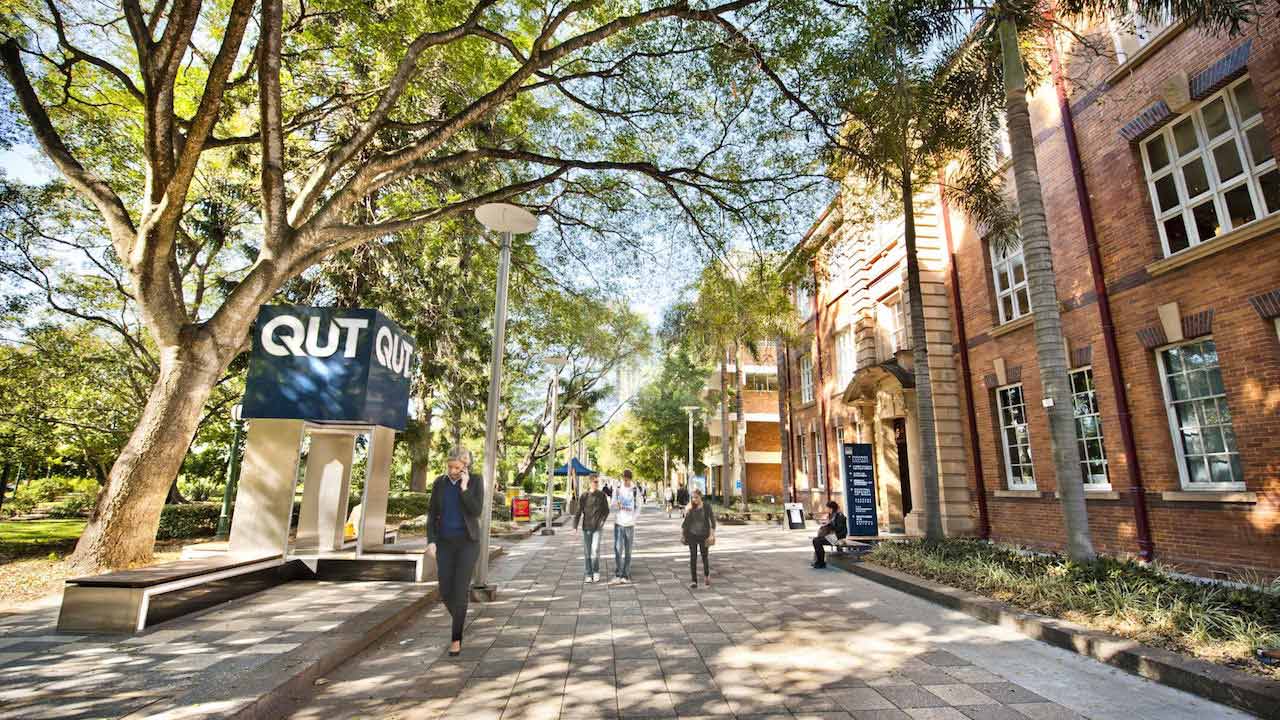
Career Pathways Post-Apprenticeship
Completing the apprenticeship qualifies you as a trade-recognised fitter machinist, opening doors to roles in aerospace, mining, renewables, and defence. In Queensland, qualified machinists earn $90,000–$120,000 annually, with seniors exceeding $140,000 amid skills shortages. University experience uniquely positions graduates for research technician roles or pathways to degree apprenticeships, like RMIT's Mechanical Engineering programs.
Many transition to QUT's engineering faculty or partner firms in the energy sector, leveraging networks built during training. Statistics from NCVER show 85% of trade completers employed within months, with higher satisfaction rates than non-trades.
Why Pursue an Apprenticeship at a University Like QUT?
Unlike industry placements, university apprenticeships immerse you in innovation ecosystems. At QUT, you'll collaborate with PhD researchers on national priorities like net-zero emissions, gaining exposure to emerging tech like high-temperature superconductors. Benefits include flexible hours, professional development, superannuation, and potential scholarships.
Australian universities are expanding apprenticeships; Flinders and Adelaide now offer degree-integrated models, signaling a shift where trades fuel research. For Brisbane locals, Banyo provides a prestigious entry without relocating.
The Growing Demand for Skilled Machinists in Australia
Australia faces acute shortages in mechanical trades, with Jobs and Skills Australia projecting 30,000 vacancies yearly through 2026. Queensland's manufacturing and energy booms amplify demand, especially for machinists skilled in renewables prototyping. Government incentives like Completion Grants up to $5,000 support employers and trainees.
In higher ed research, these skills enable breakthroughs; Banyo's hydrogen pilot demanded custom fittings, underscoring trade-research synergy. Reports highlight 94% employment post-completion, outperforming some degrees.
Explore details on the MEM30219 qualification for standardized competencies.
Application Process and Tips for Aspiring Apprentices
Apply via QUT's careers portal, submitting a resume, cover letter, and references. Highlight any workshop experience or projects. Interviews test basic mechanical knowledge and motivation. Deadlines vary; monitor postings closely.
- Tailor applications to research context: Mention interest in energy tech.
- Prepare for practical assessments like blueprint reading.
- Network at QUT open days or industry expos.
Adult apprentices benefit from higher starting pay and recognition of prior learning.

Real-World Impacts and Future Outlook
Apprentices at similar facilities have fabricated parts for Australia's first lithium-ion battery pilots and microgrid tests, contributing to global exports. With net-zero targets, demand surges for machinists in battery gigafactories and hydrogen hubs.
QUT's precinct positions trainees at the forefront, with pathways to advanced certs or engineering degrees. As unis invest in trades, expect more hybrid programs blending Cert III with bachelor studies.

Stakeholder Perspectives on University Apprenticeships
Industry leaders praise uni programs for producing adaptable talent; Siemens collaborations at Banyo value precision from academic rigor. Students report higher engagement, with 89% satisfaction per NCVER data. Governments boost via incentives, recognizing apprenticeships' role in 15% of VET training.
Challenges like completion rates (around 60%) are addressed through mentorship, vital in research's variable pace.