
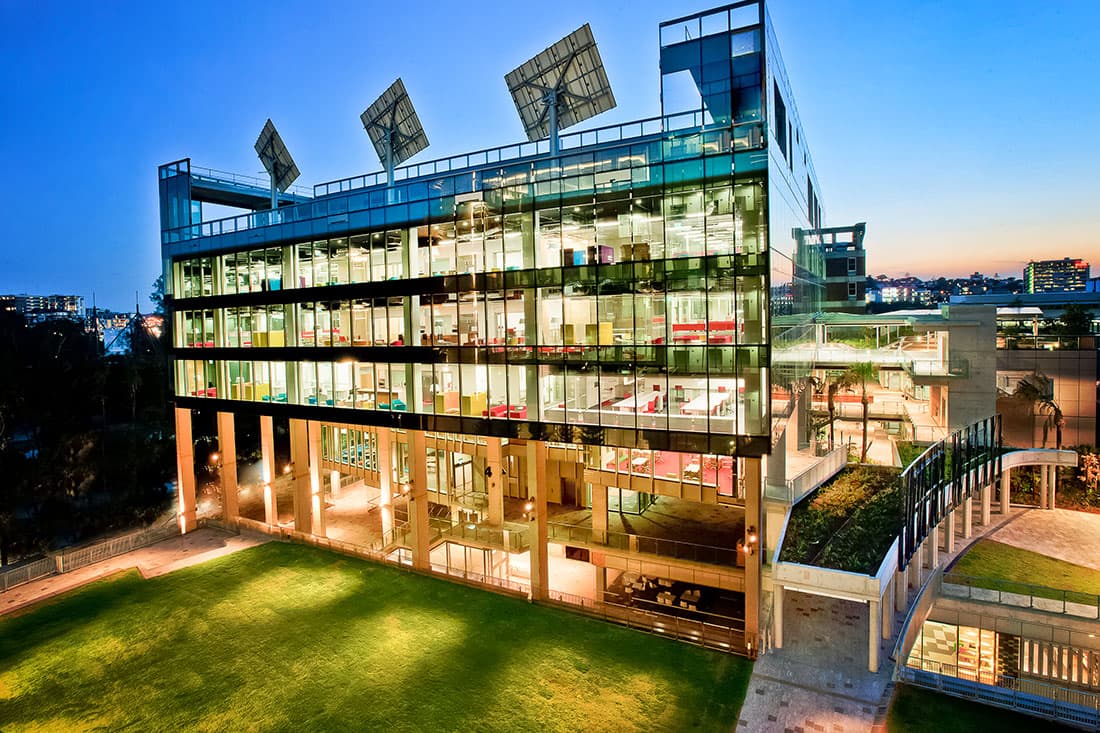
The Queensland University of Technology has opened applications for its pool of sessional academics in the School of Communication. This initiative supports teaching across the Bachelor of Communication, providing flexible opportunities for qualified professionals to contribute to one of Australia’s leading programs in media and communication studies.
Understanding Sessional Roles in Australian Universities
Sessional academics, often referred to as casual or part-time teaching staff, play a vital role in delivering high-quality education at Australian universities. These positions allow institutions to draw on current industry expertise while offering professionals a pathway into academia. At QUT, sessional staff support unit coordinators by facilitating tutorials, delivering lectures, marking assessments, and engaging with students in both face-to-face and blended learning environments.
The model provides flexibility for those balancing teaching with other commitments such as PhD studies, industry roles, or family responsibilities. Successful candidates join a pool where their details remain active for twelve months, enabling unit coordinators to reach out as needs arise throughout the academic year.
QUT’s School of Communication: A Leader in the Field
Located in Brisbane, the School of Communication sits within the Faculty of Creative Industries, Education and Social Justice. It consistently ranks at the top nationally and among the world’s best for communication and media studies. Students benefit from a curriculum that emphasises practical skills alongside theoretical understanding, preparing graduates for dynamic careers in journalism, strategic communication, and media industries.
The Bachelor of Communication offers majors in Media and Communication Industries and Journalism, along with a minor in Strategic Communication. These areas reflect the evolving media landscape, including digital transformation, content creation, public relations strategies, and ethical reporting practices. Sessional academics bring real-world perspectives that enrich classroom discussions and help bridge theory with professional application.
Key Teaching Areas and Student Outcomes
Successful sessional academics may be invited to support units aligned with their expertise. In Media and Communication Industries, topics often cover industry structures, digital platforms, audience engagement, and business models in contemporary media. Journalism units focus on news gathering, reporting techniques, multimedia storytelling, and the responsibilities of ethical practice in a fast-changing environment.
Strategic Communication explores campaign development, stakeholder relations, crisis communication, and the integration of emerging technologies. Across all areas, the emphasis remains on developing sophisticated written, spoken, and visual literacies while fostering critical thinking about local and international communication dynamics.
Graduates from these programs frequently secure roles in news organisations, corporate communications teams, government agencies, and creative agencies. The practical orientation of the degrees, supported by sessional staff with industry experience, contributes to strong employment outcomes and student satisfaction ratings.
Qualifications and Experience Required
Applicants must hold at least a master’s degree or be currently enrolled in a master’s program, with preference given to those pursuing or holding a relevant doctoral qualification. A strong academic background in communication, media, journalism, or a closely related discipline forms the foundation.
Equally important is relevant and current industry experience. This could include work in newsrooms, public relations firms, digital media companies, or corporate communication departments. Demonstrated teaching or assessing experience strengthens an application, whether gained through previous university roles, professional development workshops, or mentoring positions.
All successful candidates must complete QUT’s induction program and mandatory online training modules covering topics such as workplace health and safety, equity and diversity, and academic integrity. Only applicants based in the Brisbane region are considered for face-to-face teaching roles.
Step-by-Step Application Process
Interested candidates should prepare a concise resume of no more than three pages that highlights academic qualifications, industry experience, and any teaching history. The email submission must clearly nominate the preferred major or minor area of interest, state the highest level of education attained or current enrolment status, and attach the resume.
Applications are sent directly to the School’s dedicated email address. Incomplete submissions that omit any of the required elements will not be considered. Once received, resumes are kept on file for up to twelve months, allowing coordinators to contact suitable candidates when opportunities match their profiles.
Early submission is advisable given the closing date of 9 July 2026. This pool approach streamlines recruitment and ensures the School maintains access to a diverse range of expertise throughout the teaching periods.
Benefits of Joining the Sessional Academic Pool
Working as a sessional academic offers several advantages. It provides an entry point into higher education teaching without the immediate commitment of a full-time position. Many professionals use these roles to test their interest in academia while maintaining industry connections.
Remuneration follows established university rates for casual staff, with additional payments for marking and preparation where applicable. The role also supports professional development through exposure to contemporary teaching practices and access to university resources.
For those considering longer-term academic careers, sessional experience builds a valuable teaching portfolio and network within the institution. It can complement ongoing research or doctoral studies, creating a balanced professional profile.
Broader Context of Casual and Sessional Staffing in Australian Higher Education
Australian universities have long relied on sessional staff to deliver a significant portion of undergraduate teaching. Recent data from the Department of Education shows continued growth in academic staffing overall, with sessional roles forming an important flexible component of the workforce.
This model supports universities in responding to fluctuating enrolment numbers and emerging areas of student interest. At the same time, it allows industry practitioners to share current knowledge with the next generation of communication professionals.
Discussions around workforce sustainability highlight both the opportunities and considerations associated with sessional arrangements. Many institutions, including QUT, are exploring pathways that recognise the contributions of casual staff while maintaining teaching quality and student support.
Preparing a Strong Application: Practical Tips
A compelling resume for sessional academic roles should clearly map industry experience to potential teaching areas. For example, a journalist might emphasise skills in research, interviewing, and ethical decision-making that align with journalism units. A public relations professional could highlight campaign planning and stakeholder analysis relevant to strategic communication.
Highlight any prior tutoring, workshop facilitation, or assessment experience, even if informal. Demonstrating familiarity with learning management systems or online teaching tools can also be advantageous in today’s blended learning environment.
Applicants are encouraged to review the School’s current unit offerings on the QUT website to tailor their expression of interest effectively. Aligning expertise with specific majors increases the likelihood of being contacted when opportunities arise.
Future Outlook for Communication Education and Sessional Opportunities
The media and communication industries continue to evolve rapidly with advances in artificial intelligence, social media platforms, and data-driven storytelling. Universities like QUT are adapting curricula to prepare students for these changes, creating ongoing demand for sessional academics who bring fresh, practical insights.
Enrolment trends in communication programs remain strong, supported by the broad applicability of communication skills across many sectors. This sustained interest suggests continued opportunities for qualified sessional staff in the coming years.
Professionals who combine advanced qualifications with current industry engagement are well positioned to contribute meaningfully. The pool system at QUT provides a structured yet flexible entry point for those ready to share their expertise with students.
Taking the Next Step
The current call for expressions of interest represents a timely opportunity for qualified individuals in the Brisbane area. Whether you are completing postgraduate studies, transitioning from full-time industry roles, or seeking to expand your professional portfolio, sessional academic work at QUT’s School of Communication offers meaningful engagement with the next generation of media and communication practitioners.
Prepare your materials carefully and submit ahead of the July deadline to be considered for the upcoming teaching periods. Detailed information and the application email address are available through official university channels.