

The Growing Importance of Strategic Talent Acquisition in Australian Universities
In the dynamic landscape of Australian higher education, effective talent acquisition has become a cornerstone for institutional success. Universities across the country face increasing pressure to attract and retain skilled professionals who can drive teaching, research, and administrative excellence amid evolving workforce demands. This is particularly relevant in regional areas like North Queensland, where institutions play vital roles in community development and economic growth.
Talent acquisition extends far beyond simply posting job advertisements. It encompasses workforce planning, employer branding, inclusive recruitment practices, and the creation of sustainable talent pipelines. In higher education settings, these processes must account for unique factors such as academic career pathways, research funding cycles, and the need for specialized expertise in fields like tropical health, marine science, and environmental studies.
James Cook University: A Leader in Tropical Research and Education
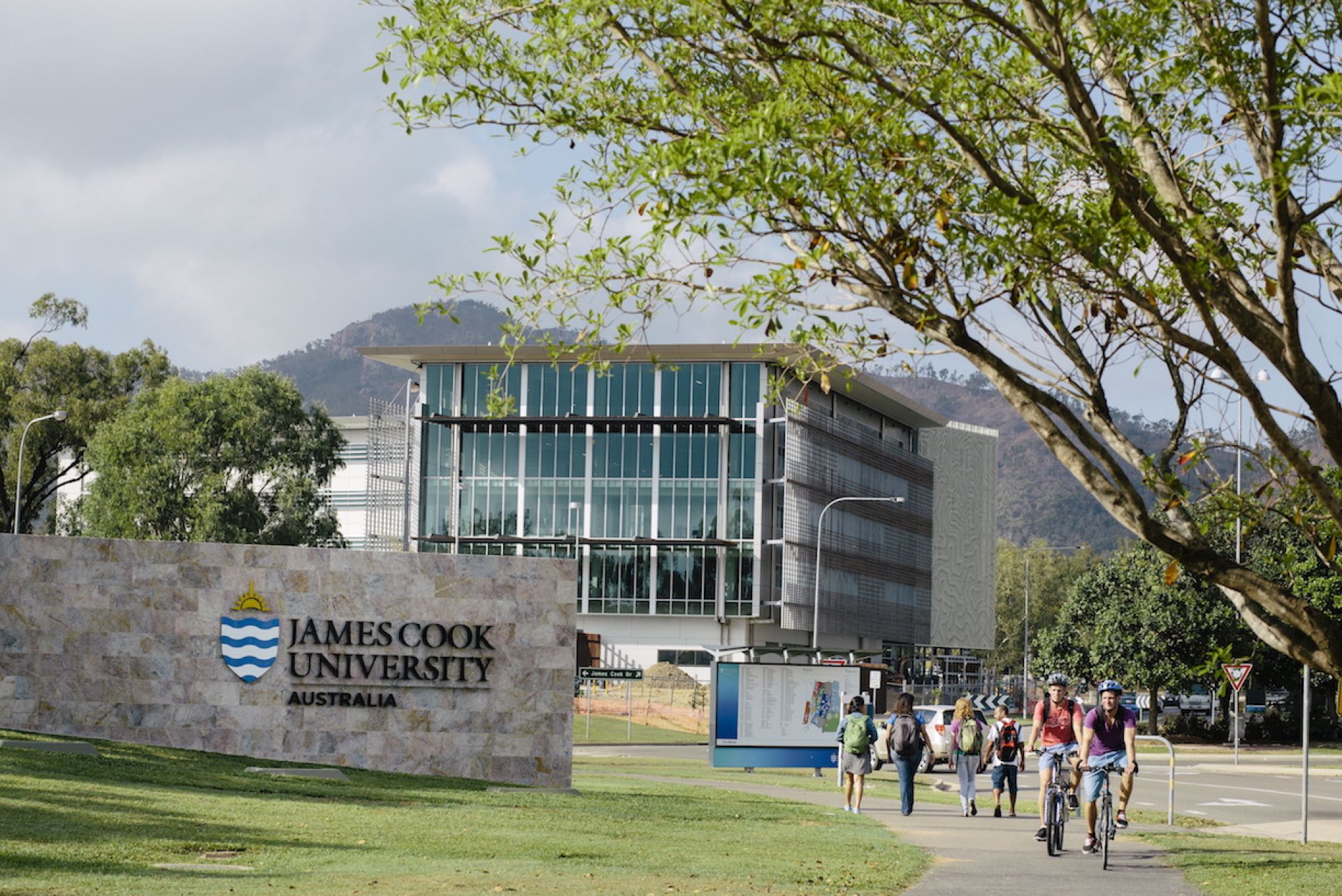
James Cook University stands out as Australia’s only university with a dedicated focus on the tropics. With main campuses in Townsville and Cairns, along with an international presence in Singapore, JCU serves a diverse student body of over 20,000 enrolments. The institution emphasizes research that addresses real-world challenges in Northern Australia and beyond, fostering strong connections with local communities and industries.
The Townsville campus, known as Bebegu Yumba, offers a vibrant environment spanning hundreds of hectares of natural bushland. It supports a wide range of programs in health, education, science, and business, contributing significantly to the region’s knowledge economy. As JCU continues to expand its impact, strategic human resources initiatives are essential to building a capable and engaged workforce.
Introducing the Talent Acquisition Advisor Position at JCU Townsville
A compelling opportunity has emerged for professionals passionate about shaping university workforces. The Talent Acquisition Advisor role is based in Townsville and operates within the HR Partnerships team. This full-time position, classified at Higher Education Worker Level 6, offers a salary range of approximately $90,800 to $98,400 plus 17% superannuation, with part-time arrangements considered.
The role focuses on delivering end-to-end talent acquisition and workforce planning solutions. Responsibilities include partnering with university leaders to forecast needs, design roles, develop attraction strategies, manage selection processes, and support onboarding. Emphasis is placed on data-informed decision-making, compliance, inclusivity, and alignment with organizational priorities such as equity outcomes and employee experience enhancement.
Ideal candidates bring relevant HR qualifications, experience in contemporary recruitment practices, proficiency with e-recruitment systems and analytics, and strong stakeholder engagement skills. Knowledge of visa and relocation processes is advantageous. The position suits individuals who thrive in collaborative, values-driven environments centered on respect, innovation, and continuous improvement.
Key Responsibilities and Impact of the Role
Day-to-day activities involve close collaboration with hiring managers across faculties and professional services. Advisors coach leaders on workforce planning, helping identify capability gaps and align recruitment with strategic goals. This proactive approach supports both immediate hiring needs and longer-term organizational resilience.
Additional duties include managing recruitment campaigns, ensuring fair and transparent selection methodologies, conducting pre-employment screening, and contributing to broader HR initiatives. By leveraging recruitment analytics, the advisor provides insights that inform better decision-making and improve overall talent outcomes.
The position offers the chance to influence a modern, people-centered HR model at a university committed to meaningful community impact. Successful performance directly strengthens JCU’s ability to attract top talent in competitive fields while fostering an inclusive workplace culture.
Broader Trends Shaping Talent Acquisition in Australian Higher Education
Australian universities are navigating significant shifts in recruitment. An aging academic workforce presents ongoing challenges, with many institutions preparing for substantial retirements in the coming decade. This creates opportunities for fresh perspectives but also highlights the need for robust succession planning and attraction of early-career researchers.
Skills shortages in critical areas such as engineering, health, and information technology further complicate efforts. Universities must compete with private sector employers offering potentially higher salaries, making non-monetary benefits like research autonomy, flexible work arrangements, and professional development increasingly important differentiators.
International talent mobility plays a growing role, particularly for regional institutions. Effective sponsorship and relocation support can expand candidate pools while contributing to Australia’s broader skills agenda. Data-driven approaches, including the use of analytics for diversity metrics and pipeline management, are becoming standard practice.
Challenges in University Recruitment and How Institutions Are Responding
Funding pressures and regulatory changes around international students add complexity to workforce planning. Institutions must balance operational needs with commitments to equity, Indigenous representation, and regional development priorities.
Many universities are adopting more strategic, proactive models. This includes building talent pools in advance of vacancies, enhancing employer branding to highlight unique institutional values, and investing in employee value propositions that emphasize work-life balance and purpose-driven careers.
Technology integration, such as advanced applicant tracking systems and AI-assisted screening tools, helps streamline processes while maintaining human-centered decision-making. Collaboration across HR, academic leaders, and external partners strengthens outcomes in specialized recruitment.
Benefits of Pursuing a Career in Higher Education Human Resources
Working in university talent acquisition offers distinctive rewards. Professionals contribute to missions that advance knowledge, support student success, and address societal challenges. The environment typically provides strong professional development opportunities, flexible working arrangements, and a sense of purpose tied to educational impact.
At institutions like JCU, the tropical location adds lifestyle advantages, with access to unique natural environments and a supportive community. Roles often involve meaningful stakeholder interactions and the ability to see direct contributions to organizational capability building.
Compensation packages frequently include generous superannuation, leave entitlements, and salary packaging options common in the sector. Career progression pathways exist into senior HR leadership or specialized areas such as organizational development.
Future Outlook for Talent Acquisition in Australian Universities
Looking ahead, talent acquisition in higher education will likely emphasize agility, inclusivity, and strategic alignment with national priorities like skills development and regional growth. Institutions that invest in sophisticated workforce planning and candidate experience will gain competitive advantages.
Emerging focuses include enhanced support for diverse talent pathways, integration of skills-based hiring practices, and stronger partnerships with industry and government. Regional universities, in particular, stand to benefit from targeted strategies that leverage their unique locations and research strengths.
Opportunities like the one at JCU exemplify the sector’s commitment to building capable teams that deliver on ambitious goals for Northern Australia and the wider community.
How to Apply and Next Steps for Interested Candidates
Applications for the Talent Acquisition Advisor position close on 21 June 2026. Interested professionals should prepare a current resume and a covering letter outlining relevant experience and motivation for joining JCU. Submissions are handled through the university’s official careers portal.
Enquiries can be directed to the dedicated talent email address. JCU encourages applications from candidates of all backgrounds who meet the role requirements, reflecting its commitment to a diverse and welcoming workplace.
This represents an excellent entry point for experienced HR practitioners seeking to make a tangible difference in a forward-thinking university environment.