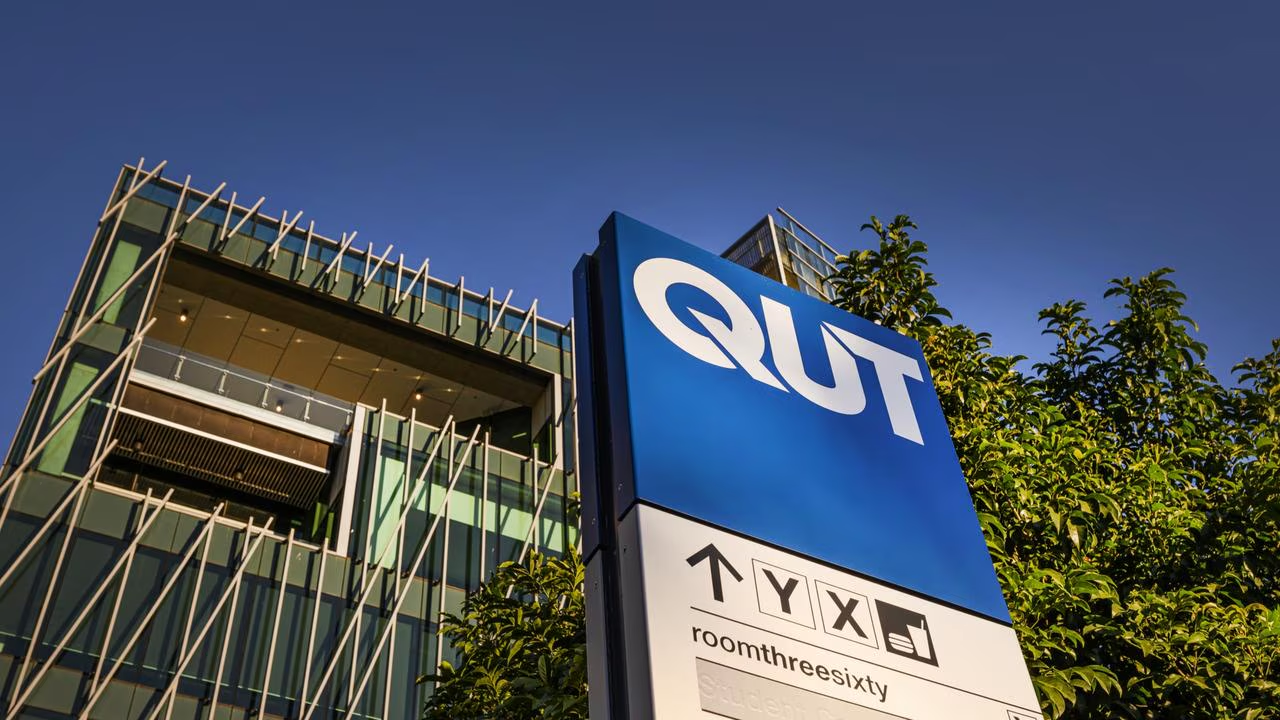
Queensland University of Technology (QUT) has opened applications for a pool of sessional academics to support teaching across its highly regarded School of Design. This initiative targets professionals who can deliver high-quality learning experiences in the Bachelor of Design program, covering areas such as fashion, industrial design, interaction design, and visual communication. Sessional roles like these play a vital role in Australian higher education by bringing real-world expertise directly into the classroom.
About QUT School of Design and Its Programs
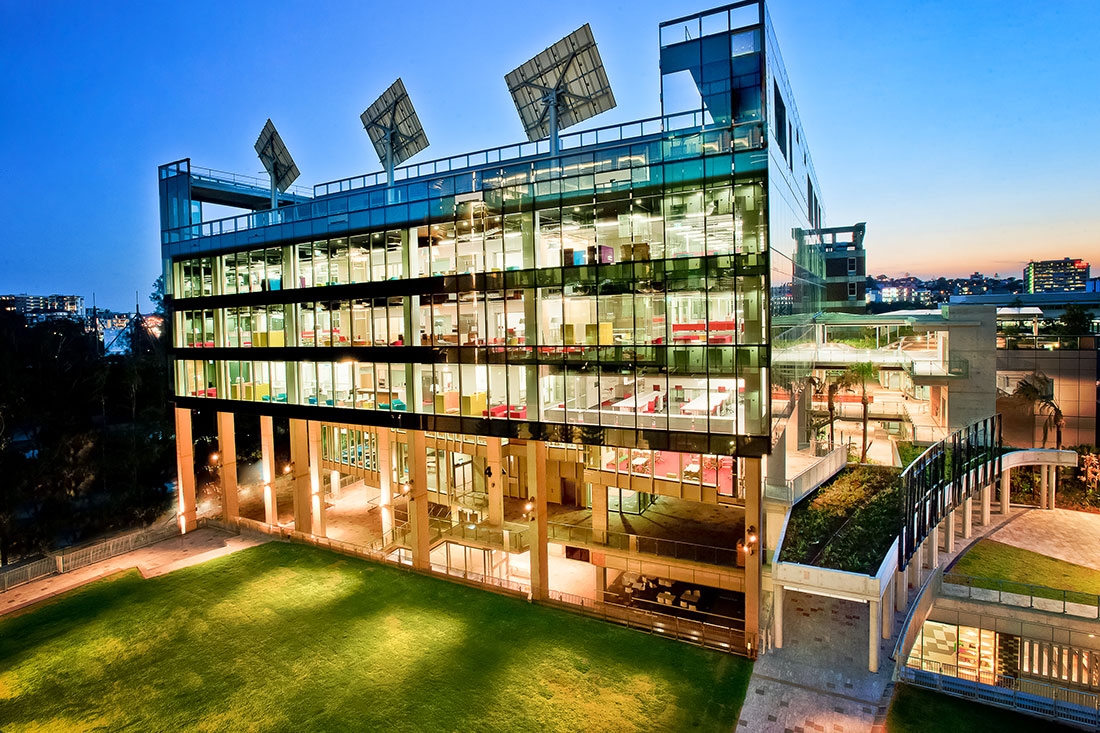
QUT, located in Brisbane, stands as one of Australia's leading universities with a strong emphasis on practical, industry-aligned education. The School of Design operates within the Faculty of Creative Industries, Education and Social Justice, fostering innovation through multidisciplinary approaches. Its Bachelor of Design degree allows students to select majors that align with evolving industry needs, including hands-on projects in sustainable practices, digital technologies, and user-centered design solutions. The school maintains close ties with professional bodies and creative sectors, ensuring graduates are well-prepared for dynamic careers.
Programs emphasize foundational skills alongside specialized knowledge. Students engage in studio-based learning, collaborative projects, and industry placements that mirror professional environments. This structure supports the development of versatile designers capable of addressing contemporary challenges in areas like product development, digital interfaces, and communication strategies.
Understanding the Sessional Academic Role at QUT
Sessional academics at QUT contribute to tutorials, workshops, lectures, and assessment marking within specific units. Duties vary by need but commonly include guiding students through design briefs, providing feedback on portfolios, and facilitating discussions on emerging trends. These positions suit experienced designers, recent graduates with strong portfolios, or industry practitioners seeking to share knowledge part-time.
The current pool aims to support a broad range of study areas. Applicants with expertise in fashion fundamentals, industrial prototyping, interaction principles, visual storytelling, or impact-driven design labs are particularly encouraged to apply. Roles offer flexibility, allowing individuals to balance teaching with ongoing professional practice or other commitments.
Eligibility Requirements and Application Process
Ideal candidates possess relevant qualifications, typically a postgraduate degree or equivalent industry experience in design disciplines. Demonstrated teaching ability, strong communication skills, and a passion for mentoring emerging creatives are essential. QUT values diversity and seeks applicants who can contribute to inclusive learning environments.
To apply, interested professionals submit an expression of interest through the university's recruitment portal. The process involves providing a current CV, a brief statement addressing selection criteria, and evidence of teaching or industry achievements. Shortlisted candidates may participate in interviews or teaching demonstrations. Successful applicants join an active pool and receive offers as teaching needs arise throughout the academic year.
Applications remain open on an ongoing basis, providing continuous opportunities for new talent to engage with the university community.
The Role of Sessional Academics in Australian Higher Education
Sessional positions form a significant part of the academic workforce across Australian universities. They enable institutions to respond agilely to fluctuating student numbers and introduce specialized knowledge that permanent staff may not cover. In design fields, where industry practices evolve rapidly, sessional educators often deliver insights into current tools, software, and market demands that enrich the curriculum.
These roles benefit both the institution and the individual. Universities gain access to practitioners who maintain active careers, while educators enjoy the intellectual stimulation of teaching alongside their professional work. Data from recent sector analyses show that casual and sessional arrangements support around one-fifth of academic full-time equivalent positions nationally, highlighting their structural importance.
Benefits for Design Professionals Considering Sessional Teaching
Engaging in sessional work at a university like QUT offers numerous advantages. It provides a platform to refine presentation and mentoring skills, which transfer directly to client interactions or team leadership in industry. Educators often report enhanced networks, with opportunities to collaborate on research projects or consultancies.
Financially, sessional rates include a casual loading that compensates for the absence of benefits such as paid leave. Many find the flexible scheduling compatible with freelance projects or studio operations. Additionally, involvement in academia can strengthen professional profiles, opening doors to speaking engagements, publications, or advisory roles.
Participants contribute meaningfully to shaping the next generation of designers, fostering innovation that benefits the broader creative economy in Australia.
Navigating Challenges and Finding Balance
While rewarding, sessional work involves considerations around workload variability and the need for self-management. Hours depend on semester timetables and enrollment trends, requiring adaptability. Preparation time for classes and marking is not always fully accounted for in paid hours, prompting many to develop efficient systems.
Successful sessional academics often recommend clear boundary-setting, professional development in pedagogy, and leveraging university support services for resources and training. Building relationships with course coordinators helps secure repeat engagements and smoother integration into teaching teams.
Impact on Students and the Design Industry
Students benefit immensely from exposure to sessional educators who bridge theory and practice. Real-world examples from current projects inspire creativity and provide tangible career guidance. In design education, this approach cultivates graduates ready to tackle issues like sustainability, digital transformation, and inclusive design thinking.
The ripple effects extend to industry, as well-equipped alumni enter the workforce with fresh perspectives. Partnerships between universities and professionals through sessional roles strengthen the overall ecosystem, promoting knowledge exchange that drives economic and cultural contributions in creative sectors.
Future Outlook for Sessional Opportunities in Design Education
As higher education adapts to technological advancements and shifting student expectations, demand for skilled sessional academics in specialized fields like design is expected to remain strong. Emphasis on practical, project-based learning aligns well with the strengths of industry-connected educators.
Universities continue to refine policies around casual employment, aiming for greater stability and professional development pathways. Those who build a track record at institutions such as QUT position themselves favorably for future roles, whether sessional, fixed-term, or ongoing.
Actionable Steps to Launch Your Sessional Academic Career
Begin by reviewing the specific requirements listed in current postings and tailoring your application materials accordingly. Highlight any prior tutoring, workshop facilitation, or mentoring experience. Prepare a teaching philosophy statement that reflects your approach to guiding design students.
Stay informed about academic calendars and recruitment cycles. Networking at industry events or through university open days can provide valuable insights. Consider short courses in higher education teaching to strengthen your candidacy.
Once engaged, focus on delivering engaging sessions, seeking student feedback, and maintaining open communication with faculty. These practices support long-term success and positive references for future opportunities.