

In the dynamic landscape of Australian higher education, professional roles that support the physical and operational backbone of universities are becoming increasingly vital. One such opportunity is the Project Officer position within the Estate Directorate at James Cook University (JCU) in Townsville, Queensland. This continuing, full-time role offers a competitive salary range of $90,821 to $98,369 per annum plus up to 17% superannuation, based at the Bebegu Yumba campus.
The position focuses on supporting infrastructure projects that enhance campus facilities, ensuring they meet the needs of students, staff, and the broader community in the tropics. As universities across Australia invest in sustainable development and modern learning environments, roles like this contribute directly to creating spaces that foster innovation and academic excellence.
The Growing Demand for Project Support in University Estates
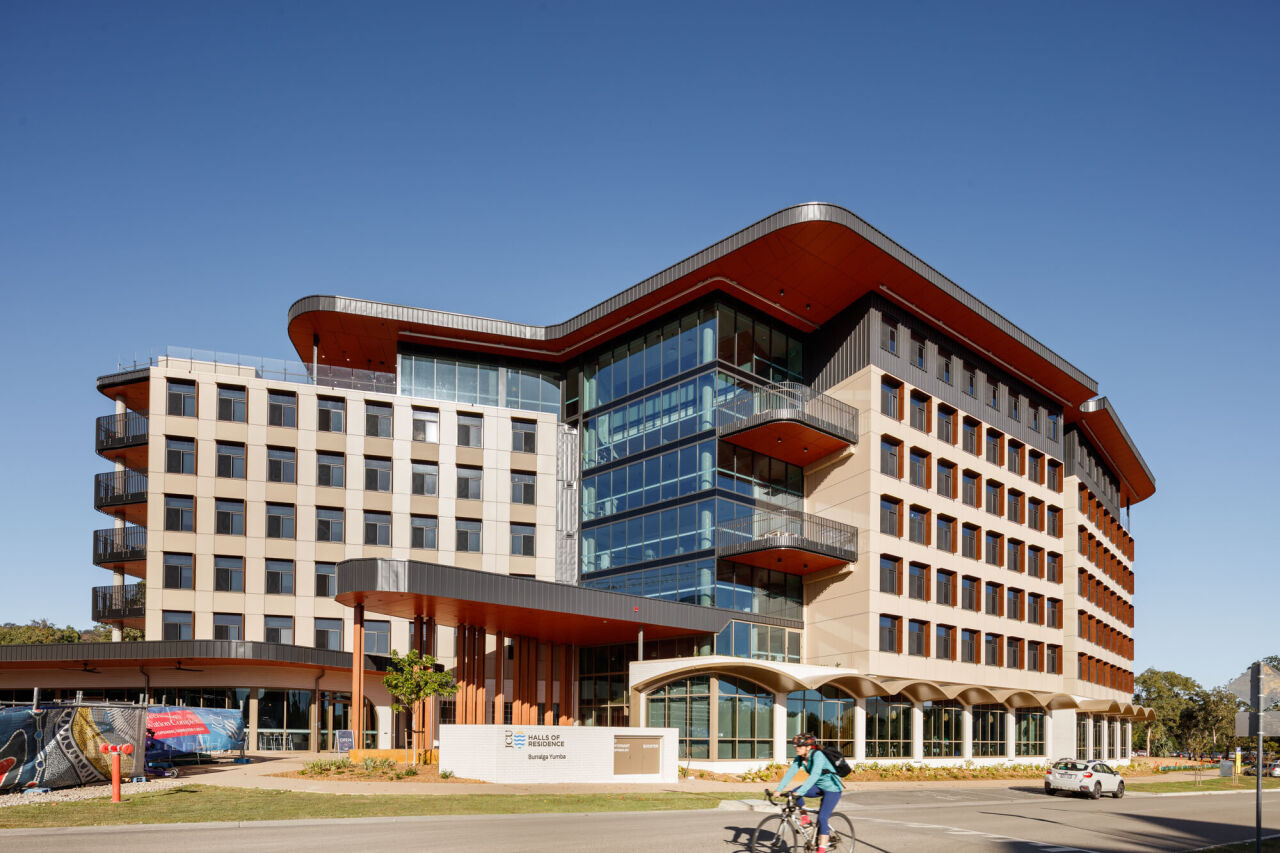
Australian universities manage extensive property portfolios that include teaching buildings, research laboratories, student accommodation, and recreational facilities. Effective project coordination is essential for delivering capital works on time and within budget while adhering to regulatory standards. The Estate Directorate at JCU plays a key role in master planning, asset management, and the delivery of infrastructure that supports the university's mission of education and research in tropical environments.
With campuses spanning Townsville, Cairns, and other locations, JCU requires dedicated professionals to handle documentation, stakeholder communication, and administrative oversight across multiple sites. This reflects broader trends where higher education institutions prioritise efficient estate management to accommodate growing enrolments and evolving pedagogical requirements.
Key Responsibilities in Infrastructure Project Delivery
The Project Officer provides high-level administrative support to the Planning and Development team. Core duties include maintaining and updating project documentation such as architectural plans, tenders, funding reports, implementation plans, and evaluation reports. The role also involves coordinating meetings, booking venues, preparing agendas, and taking minutes to keep projects on track.
Financial administration forms another critical component, requiring accurate reporting, forecasting, and modelling to ensure compliance and efficient resource allocation. The officer contributes to identifying and mitigating contract-related risks and supports service improvements by spotting inefficiencies in procedures and systems. High-quality information packages and communications are developed to keep internal and external stakeholders informed throughout the project lifecycle.
Occasional travel between campuses, including potential overnight stays, is part of the role, supported by a current Queensland 'C' class driver's licence. This hands-on involvement ensures seamless coordination across JCU's geographical footprint.
Essential Skills and Qualifications for Success
Candidates need direct experience in a similar project support role or an equivalent combination of experience, education, and training. Strong knowledge of construction industry documentation is highly valued, alongside proficiency in the Microsoft Office Suite and solid numerical skills for financial tasks.
Excellent communication and interpersonal abilities are crucial for liaising with project committees and maintaining collaborative relationships with colleagues across departments. Organisational, problem-solving, and analytical skills help manage competing deadlines effectively. A proactive approach to recognising opportunities for process enhancement sets successful applicants apart.
JCU values candidates who align with its commitment to people, education, place, and research, fostering a culturally diverse and supportive work environment.
Benefits and Support for Professional Staff at JCU
Working at JCU comes with attractive employment conditions designed to promote wellbeing and career growth. These include a generous superannuation scheme with up to 17% employer contributions through UniSuper, five weeks of annual recreation leave, and 15 days of paid sick or carers leave per year.
Additional perks encompass salary packaging options, the Fitness Passport for affordable access to fitness facilities for staff and family, an Employee Assistance Program, ongoing professional development opportunities, staff study assistance, and corporate discounts on health insurance. Campus facilities such as medical services, childcare, a gym, and cafes further enhance the employee experience.
These benefits reflect JCU's focus on creating a positive workplace that supports long-term retention in higher education administration roles.
Career Pathways and Opportunities in Higher Education Administration
Roles like Project Officer serve as strong entry or progression points for professionals interested in university operations. Experience gained in estate management can lead to advancement into project management, capital works coordination, or broader facilities leadership positions.
Many universities in Australia offer structured professional development and internal mobility, allowing staff to build expertise in areas such as sustainability initiatives, space optimisation, and infrastructure planning. This aligns with the sector's need for skilled administrators who understand both operational requirements and the academic mission.
Professionals in these positions often develop transferable skills in stakeholder engagement, risk management, and compliance that are valued across the higher education landscape.
Infrastructure Development Trends Shaping Australian Universities
Universities nationwide are prioritising sustainable and resilient campus infrastructure to support teaching, research, and student life. Investments often focus on energy-efficient buildings, flexible learning spaces, and enhanced digital connectivity. At institutions like JCU, projects also emphasise tropical climate considerations and environmental stewardship, given the university's strengths in marine and environmental sciences.
These developments not only improve operational efficiency but also contribute to attracting and retaining students and staff in competitive regional locations. Coordinated project support ensures that initiatives align with institutional strategies and deliver measurable benefits to the community.
Applying for University Project Roles: Practical Guidance
Successful applications typically include a tailored resume highlighting relevant experience and a cover letter that clearly maps skills to the position requirements. Emphasising examples of documentation management, financial oversight, and stakeholder communication strengthens candidacy.
Applicants should demonstrate an understanding of the higher education context and enthusiasm for contributing to JCU's tropical focus. The application process involves creating an account on the university careers portal, submitting documents, and preparing for potential interviews that explore both technical capabilities and cultural fit.
Deadlines are firm, with this particular opportunity closing on 19 July 2026, encouraging timely submissions from qualified candidates across Australia.

The Broader Impact on Campus Communities and Regional Development
Effective infrastructure projects directly enhance the student and staff experience by providing modern, functional spaces for learning and collaboration. In regional areas like Townsville, university developments also stimulate local economies through construction activity, job creation, and improved facilities that benefit surrounding communities.
By supporting these initiatives, Project Officers help realise JCU's vision of making a difference locally and globally through education and research. Well-managed estates contribute to sustainability goals and position universities as leaders in responsible development.
Future Outlook for Estate and Project Roles in Higher Education
As Australian universities continue to adapt to changing enrolment patterns, technological advancements, and sustainability imperatives, demand for skilled project support professionals is expected to remain strong. Roles in estate directorates will increasingly incorporate digital tools for project tracking, data-driven decision-making, and cross-campus coordination.
Opportunities exist for individuals passionate about combining administrative expertise with a commitment to educational environments. Positions such as the one at JCU represent meaningful ways to contribute to the sector's ongoing evolution while enjoying stable employment and professional growth in a supportive setting.
For those exploring similar opportunities, resources on university administration careers can provide additional insights into navigating this rewarding field.


.jpg&w=128&q=75)

.jpg&w=128&q=75)
.jpg&w=128&q=75)