
Exploring Opportunities in University IT: The Senior Engineer, Student Systems Position at QUT
Australian universities continue to invest heavily in digital infrastructure to support growing student populations and complex administrative needs. One standout opportunity recently highlighted involves a senior engineering role focused on student systems at Queensland University of Technology, a leading institution known for its practical approach to education and innovation. This position plays a vital part in ensuring seamless operations for student administration, customer relationship management, and related platforms that directly influence the academic journey.
Roles like this underscore the critical intersection of technology and higher education. Student systems handle everything from enrollment and records management to support services, forming the backbone of efficient university operations. Professionals in these positions help universities deliver better experiences while adapting to evolving demands such as hybrid learning and data-driven decision making.
QUT's Commitment to Digital Excellence in Higher Education
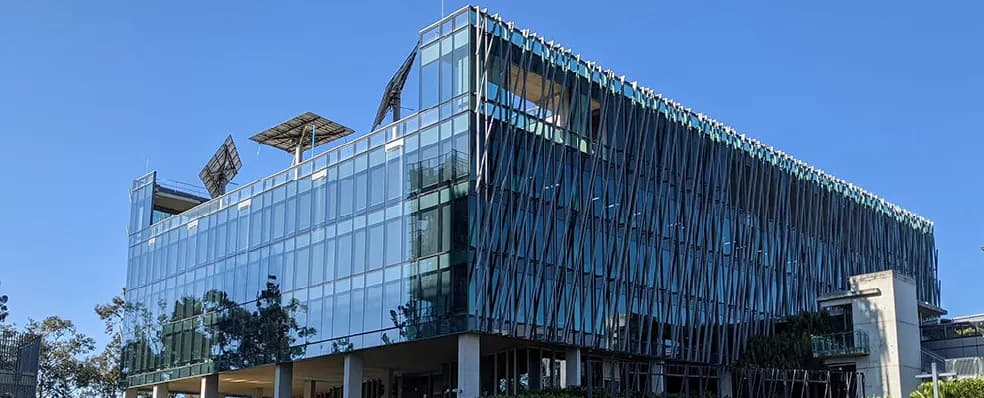
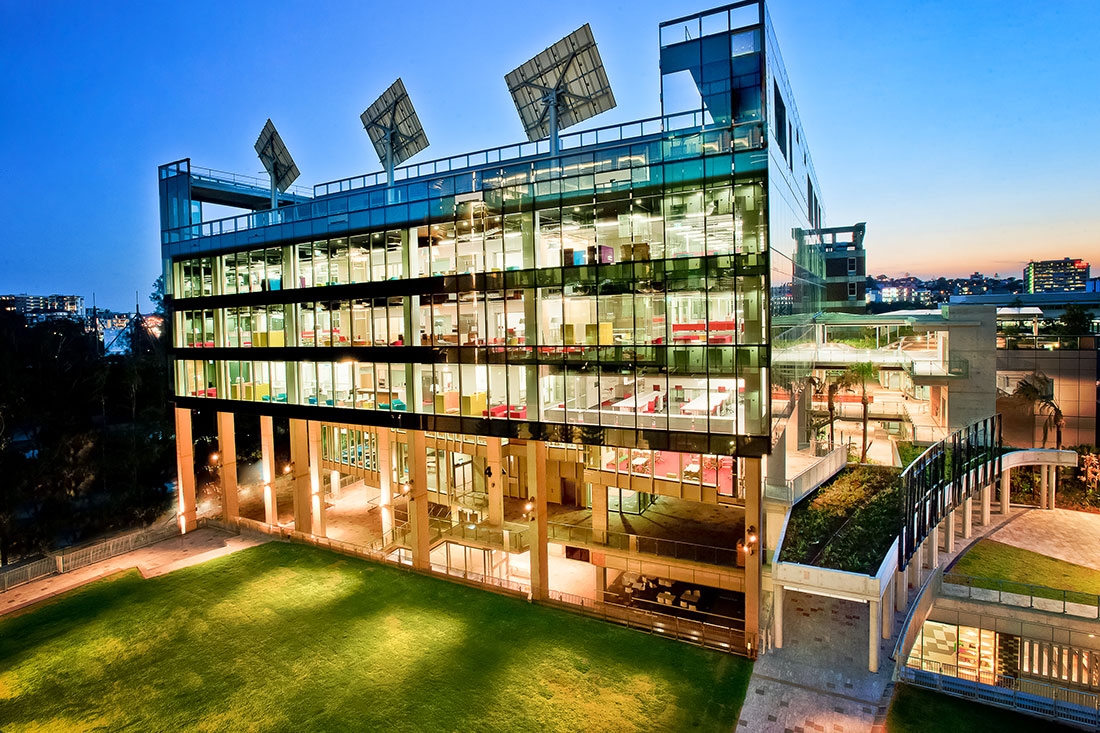
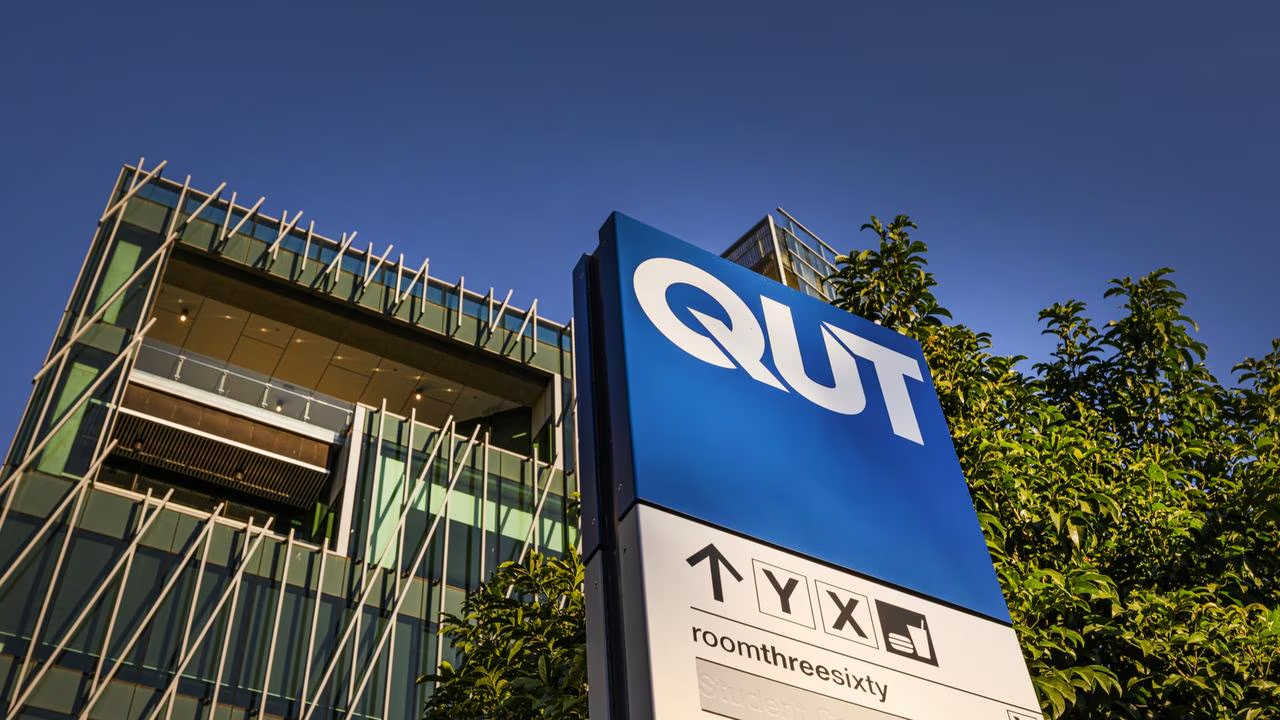
Queensland University of Technology stands out among Australian institutions for its emphasis on real-world outcomes and industry partnerships. Located primarily in Brisbane with campuses in Kelvin Grove and Gardens Point, QUT serves thousands of students across diverse disciplines. The university's Digital Business Solutions division oversees technology services that underpin learning, teaching, research, and professional operations.
In this environment, the Senior Engineer, Student Systems role sits within the Student and Stakeholder Engagement team. It focuses on maintaining and enhancing a suite of solutions that manage student interactions and administrative processes. Hybrid work arrangements reflect broader trends in Australian higher education, where flexibility supports both productivity and work-life balance.
QUT's strategic priorities include advancing Indigenous Australian success and fostering inclusive practices. The role encourages applications from Aboriginal and Torres Strait Islander peoples, aligning with national efforts to build diverse workforces in universities.
Core Responsibilities of the Senior Engineer, Student Systems
The position centers on sustaining and evolving complex student administration platforms. Key duties include operational support for end users, configuration design, and establishing best practices for processes such as authentication, user profiles, releases, and testing.
Engineers in this area collaborate with internal teams, external vendors, and stakeholders to ensure systems remain reliable and scalable. Work may occasionally extend beyond standard hours to address urgent issues, highlighting the operational importance of these platforms.
Standardization efforts form a major focus. This involves developing consistent patterns for design, documentation, and change management to create sustainable, efficient environments. The role supports QUT's broader digital transformation goals, helping the university respond to shifts in student expectations and regulatory requirements.
Required Skills and Qualifications for Success
Candidates typically bring substantial experience in corporate systems administration. Equivalent to postgraduate qualifications plus extensive hands-on work, the ideal profile includes proficiency in database querying with SQL, low-code development tools, reporting solutions like Crystal Reports, XML handling, and scripting languages such as VB.NET or similar adaptable technologies.
Strong IT service management capabilities are essential. This encompasses change control, release management, testing protocols, incident resolution, and problem management frameworks. Analytical prowess enables effective troubleshooting of intricate issues, always prioritizing client service excellence.
Interpersonal strengths round out the requirements. Building collaborative relationships across diverse groups, managing conflicts, and communicating technical concepts clearly prove invaluable. A demonstrated commitment to equity, diversity, and Indigenous engagement aligns with institutional values.
Remuneration, Benefits, and Life at QUT
The role is classified at HEW8 level, offering a competitive package ranging from $138,193 to $156,633 per annum. This includes base salary components, 17 percent superannuation, and 17.5 percent recreation leave loading. Ongoing full-time status provides stability in the dynamic higher education sector.
Beyond salary, QUT emphasizes holistic support. Hybrid arrangements blend on-campus collaboration with remote flexibility. Additional perks include generous parental leave, fitness programs, salary packaging options, and professional development opportunities such as leadership workshops and study assistance.
The university fosters a culture rooted in ambition, integrity, inclusiveness, innovation, and academic freedom. Employees benefit from initiatives supporting Indigenous staff and broader diversity goals, creating an environment where varied perspectives contribute to institutional success.
The Broader Landscape of IT Roles in Australian Higher Education
University IT positions have grown in prominence as institutions navigate digital transformation. Student systems engineering supports core functions that affect enrollment trends, retention rates, and overall satisfaction. In Australia, higher education faces pressures from international student dynamics, funding models, and technological advancements.
Similar roles appear across the sector, often involving integration of modern tools with legacy platforms. Professionals contribute to data security, user experience improvements, and compliance with privacy regulations. These positions offer pathways for those with technical backgrounds to impact education meaningfully.
Trends point toward greater use of automation, analytics, and cloud-based solutions. Engineers who adapt quickly to emerging technologies position themselves well for advancement in university settings.
Impact on Student Experience and Institutional Research
Robust student systems directly enhance the learner journey. Reliable platforms reduce administrative friction, allowing students to focus on studies rather than process hurdles. For staff, streamlined tools improve efficiency in advising, reporting, and support services.
Research activities also benefit indirectly. Accurate student data supports grant applications, cohort analysis, and outcome tracking. Universities like QUT leverage these systems to demonstrate impact and secure funding in competitive environments.
By maintaining high standards in system design and operations, engineers help institutions meet accreditation standards and respond to stakeholder feedback effectively.
Career Pathways and Professional Development in University IT
Positions such as Senior Engineer, Student Systems serve as stepping stones. Experience gained here can lead to leadership roles in digital strategy, enterprise architecture, or specialized areas like learning technologies.
Australian higher education values continuous learning. Many institutions offer internal programs alongside external certifications in areas like IT service management or cloud platforms. Networking through professional associations further supports growth.
Individuals entering these roles often bring a mix of technical depth and service orientation, qualities that translate across public and private sectors but find particular resonance in mission-driven university environments.
Future Outlook for Student Systems in Australian Universities
Digital evolution continues to reshape higher education. Artificial intelligence integration, personalized student portals, and advanced analytics represent emerging frontiers. Engineers will increasingly focus on ethical implementation, interoperability, and user-centered design.
Challenges include cybersecurity threats, data sovereignty concerns, and the need for inclusive technologies. Opportunities arise from collaborative projects across institutions and with industry partners.
Roles emphasizing sustainability in system design and operations will remain essential as universities balance innovation with resource stewardship.
How to Pursue Similar Opportunities in Higher Education
Those interested in university IT careers should monitor institutional job boards and specialized platforms. Tailoring applications to highlight relevant technical experience, service management expertise, and alignment with equity principles strengthens candidacy.
Building a portfolio of projects demonstrating system improvements or process optimizations adds value. Engaging with higher education networks provides insights into sector-specific expectations.
Exploring resources on academic career paths can offer guidance for navigating applications and interviews in this space.