
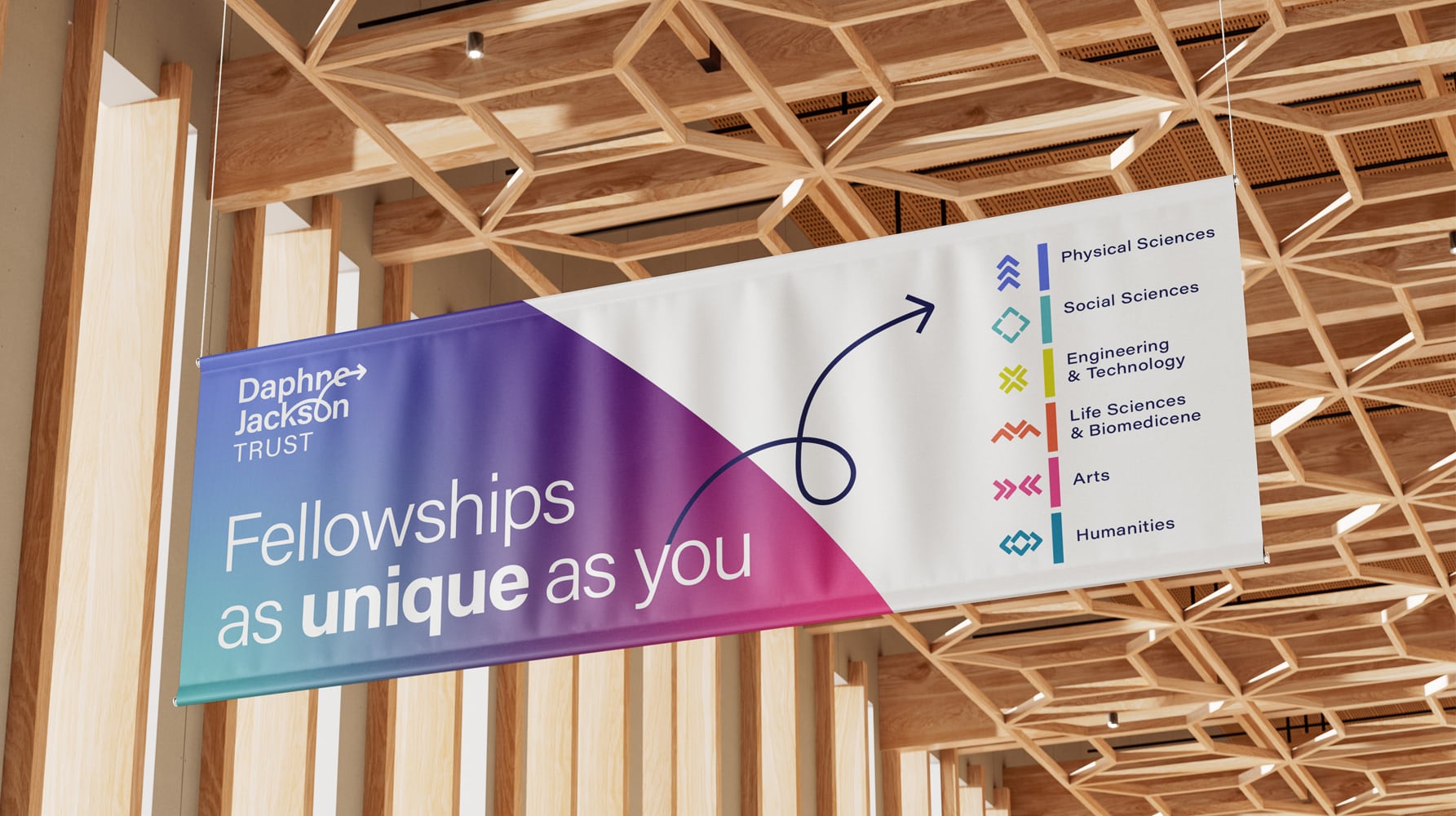
The Research Technical Professional Daphne Jackson Fellowship at the University of York is a paid, part-time route back into technical research for people whose careers have been on pause for two years or more.
You might see the phrase research technical professional and assume it means one narrow job title. It doesn't. The label covers laboratory managers, instrumentation specialists, research software engineers, imaging officers and the staff who keep research equipment safe, calibrated and producing usable data. At York those roles sit inside departments, core facilities and central technical teams, often behind funded projects that cannot run without them.
The fellowship is not a studentship or an unpaid retraining course. It is a fixed-term post hosted by the University of York and arranged through the Daphne Jackson Trust. The Trust was set up in memory of Daphne Jackson, the first woman to become a professor of physics in the UK, and it exists to help experienced researchers and technical staff return after a break for caring, family or health reasons.
Who this fellowship is for
Start with the break. The Daphne Jackson Trust asks for a career break of at least two years, usually taken for caring, family or health reasons. You do not need to have been out of work entirely; the point is that your research or technical career was interrupted and you need a supported way back.
Education requirements vary. Research fellowships in the programme typically require a PhD or equivalent research experience. A research technical professional fellowship may weigh hands-on technical expertise, equipment knowledge and safe working practice more heavily. The University of York advertisement will say exactly which background the host department needs, so read that first.
If you are not sure whether your break qualifies, ask. The named contact on the York listing can tell you whether the project is bench-based, computational, or both. That one conversation can save you a week of writing aimed at the wrong role. The part-time structure also means the fellowship can fit with ongoing health management or caring responsibilities that made a standard full-time technical post impossible. Host departments agree the working pattern at the start, so there is less guesswork about whether you can meet the schedule.
What the fellowship actually offers
Most returner schemes promise support, but this one is built around being employed again. Daphne Jackson fellowships are normally part-time, often at 0.5 full-time equivalent, and run for two years or longer depending on the project and funding. The part-time pattern is not a concession; it is the point. It allows you to update technical skills while continuing to manage caring or health commitments.
| Typical duration | Two years part-time, sometimes longer |
|---|---|
| Working pattern | Usually around 0.5 full-time equivalent |
| Contract type | Fixed-term, salaried post |
| Main eligibility | Career break of at least two years |
The host department at York provides a supervisor, a project and access to the facilities you will need. The Trust provides the national framework, including a retraining plan agreed with the host institution and ongoing support through the fellowship. The Daphne Jackson Trust website sets out the programme in detail. Because you are employed from day one, you also have access to the institution's training, health and safety processes, and any required refresher courses. That is different from volunteering in a lab while looking for a paid role, and it matters if your break has been a long one.
How the application works
The route is not a standard university job application, so do not treat it as one. You are applying through the Daphne Jackson Trust to a specific hosted project at York.
- Open the University of York fellowship page and note the closing date, named contact and any documents the department asks for.
- Contact the named York supervisor or Trust contact before you write a long proposal. Ask what the first six months of the project looks like and which technical skills are non-negotiable.
- Prepare a CV that explains the career break in one clear line, then lists the equipment, software, protocols and safety systems you have used.
- Draft a short statement about why this part-time return is the right next step and what you bring to the project.
- Submit through the route stated in the advertisement, then save a copy of everything you send.
Do not wait until the closing date to make first contact. Technical fellowships are competitive, and the strongest applications usually start with an early conversation about the project. If the advert names a person, use that contact. Applicants who ask a focused question early tend to write better statements than those who guess what the panel wants.
What strong applications do differently
Most applicants spend too long explaining the gap. One short paragraph is enough. The rest of the statement should show technical judgement and readiness to work safely, not an apology.
If the project mentions mass spectrometry, sequencing, microscopy, cryogenic systems, controlled environments or research software, show exactly where you have used something similar. Name the instrument, the version if you can, and the type of data you produced. Ten-year-old experience still matters when it is described concretely.
If your academic CV has gathered dust, start with a clear structure rather than a chronological list of everything. There are straightforward ways to build a competitive academic CV without hiding a gap. The University of York listing is also indexed on AcademicJobs, which can help if you are comparing this returner role with other UK research and technical positions.
Why this role matters now
UK research runs on technical skill, but experienced technicians can disappear from the workforce after a caring or health break. The Daphne Jackson model is designed for exactly that problem. It keeps hard-won operational knowledge inside the research system instead of letting it leave permanently.
Experienced research technicians are often the people who can spot a failing instrument before it ruins a sample, or adapt a protocol when a reagent changes. Losing that judgement from the workforce is expensive, and returner fellowships are one of the few funding routes designed to bring it back.
York's support for technical roles also sits alongside the sector's Technician Commitment, which pushes universities to improve visibility, recognition and career development for technical staff. A fellowship aimed specifically at a research technical professional returner is a concrete sign that this work is treated as a career, not a support function. You can search the University of York website for technical staff pages and current vacancies if you want to understand where technical teams fit across the institution.
What to do if you are not shortlisted
Ask for feedback. Many returner candidates succeed on a later attempt because they find out which part of the application was too vague. If the panel says your technical examples were too generic, rewrite each one with a measurable outcome: what you ran, what you maintained, what you fixed and what the result was.
Do not wait for the next York fellowship to appear. The Daphne Jackson Trust lists hosted fellowships at other UK universities and research institutes. The same application logic applies: contact early, be specific about your technical background, and ask what the first months require.
One action this week
Send one email to the named contact for the University of York fellowship. Ask what the host lab or facility needs in the first ninety days and whether the part-time pattern can fit your situation. Build the rest of the application around that answer.













Diskussionen
Seien Sie der Erste, der diesen Artikel kommentiert!
Sie werden gebeten, sich anzumelden, bevor Ihr Kommentar veröffentlicht wird.