

At a glance
Discover the Coordinator, Admissions position at Bond University and its significance in Australia's higher education sector amid evolving student trends and regulatory landscapes.

Navigating University Admissions in Australia's Evolving Higher Education Sector
Australia's higher education landscape continues to adapt to shifting student demographics, regulatory frameworks, and global mobility patterns. At the heart of this dynamic environment are dedicated professionals who manage the critical gateway between prospective students and university programs. Roles like the Coordinator, Admissions position at Bond University exemplify the blend of operational leadership, regulatory expertise, and student-focused service required to support institutional success.
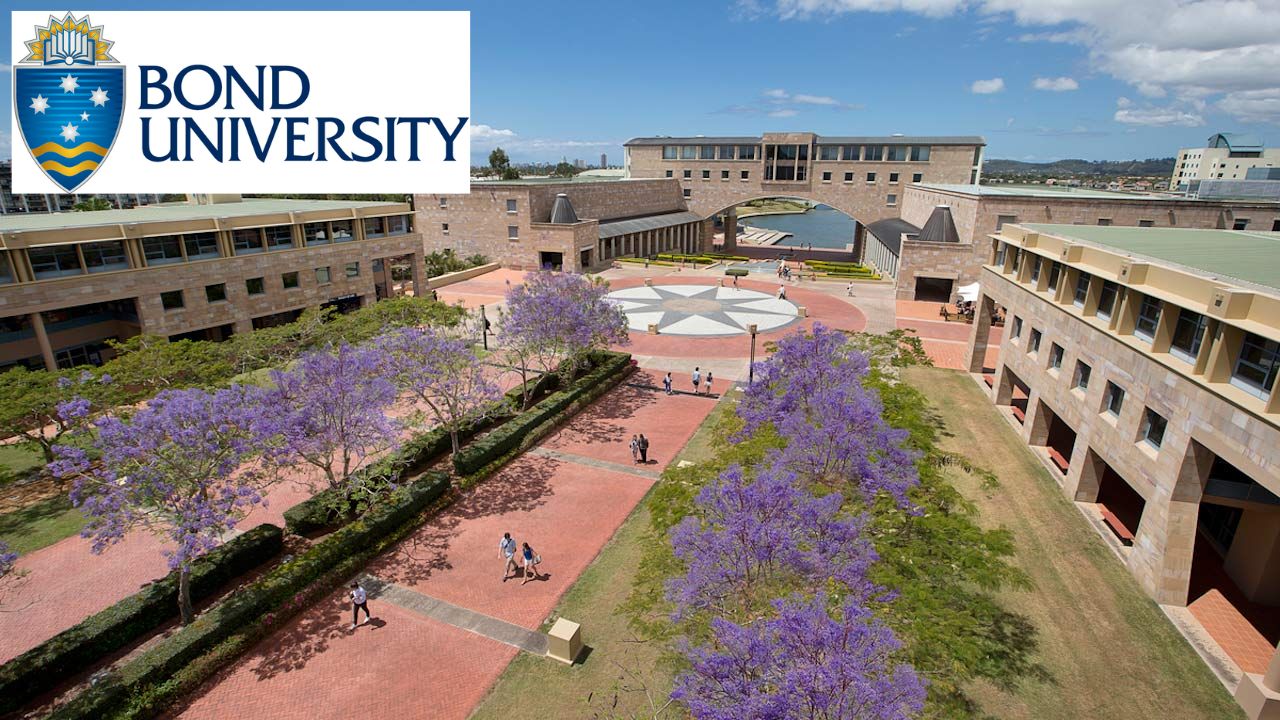
Bond University, located on the Gold Coast in Queensland, stands as Australia's first private not-for-profit university. It emphasizes a personalized and transformational student experience while maintaining high standards in teaching quality. The Office of Future Students plays a central role in attracting and onboarding both domestic and international applicants, ensuring processes run smoothly from initial inquiry through to enrolment.
The Expanding Scope of Admissions Coordination in Australian Universities
Admissions coordination extends far beyond simple application processing. Coordinators oversee teams responsible for evaluating qualifications, verifying documentation, managing workflows, and maintaining compliance with complex rules governing both domestic and international entries. This includes understanding the nuances of the Australian Qualifications Framework, English language proficiency standards, and visa-related Genuine Student requirements.
In practice, the role involves daily coordination with faculties, student business services, and external bodies. Performance monitoring, training of admissions officers, and identification of process improvements form core elements. These activities help universities deliver consistent, high-quality applicant experiences even as application volumes fluctuate.
Recent data from the Department of Education highlights ongoing adjustments in international student numbers. Year-to-date figures for early 2026 show a decline compared to the previous year across several sectors, though higher education has demonstrated relative resilience in certain enrolment categories. This environment underscores the need for skilled coordinators who can adapt processes efficiently while upholding integrity and service standards.
Spotlight on Bond University's Commitment to Operational Excellence
Bond University seeks a Coordinator, Admissions to join its Office of Future Students on a full-time continuing basis. The position, based in Robina on the Gold Coast, carries a commencing salary of $99,108.89 per annum plus 12% superannuation. Staff benefits include flexible work arrangements, generous parental leave provisions, study assistance, and access to onsite facilities such as a medical centre, counselling services, and sports centre.
The successful candidate will lead a team of admissions officers, ensuring accurate and timely processing of applications from both domestic and international sources. Emphasis is placed on collaboration across departments, data-informed reporting, and initiatives that enhance efficiency. Bond's values of innovation, influence, and inspiration align closely with the proactive, solutions-oriented approach required in this role.
Applications for the position close at 11:59pm on Wednesday, 15 July 2026. Interested candidates should review the full position description and selection criteria available on the university's careers portal before submitting a resume and cover letter.
Core Responsibilities That Define Success in the Role
Day-to-day operations centre on workflow management and quality assurance. Coordinators allocate tasks, monitor turnaround times, and provide guidance to ensure outputs meet university policies. They serve as the primary liaison for complex cases, interpreting regulations and making informed decisions that balance institutional requirements with applicant needs.
Stakeholder engagement is equally important. Regular interaction with academic faculties helps align admissions practices with program-specific entry standards. Collaboration with student services supports seamless transitions from offer to enrolment. Continuous improvement projects often involve analysing data trends, identifying bottlenecks, and implementing refined procedures that benefit the entire applicant journey.
Reporting duties include contributing to planning processes and performance metrics. This data-driven component enables the university to respond proactively to changes in application patterns and regulatory expectations.

Qualifications and Competencies Sought by Leading Institutions
Ideal candidates typically hold relevant tertiary qualifications or possess substantial experience in university or comparable administrative settings. Demonstrated knowledge of admissions processes, including domestic and international compliance obligations, is essential. This encompasses familiarity with visa conditions, credential assessment, and English language requirements.
Strong interpersonal and communication skills enable effective relationship-building with diverse applicants, colleagues, and external partners. Leadership experience in training and supporting staff, combined with a track record of process optimisation, distinguishes top applicants. The ability to navigate ambiguity, exercise sound judgment, and maintain a service-oriented mindset underpins long-term effectiveness in the position.
- Proven capacity to interpret and apply policies consistently
- Experience in high-volume, deadline-driven environments
- Commitment to equity, diversity, and inclusive practices
- Proficiency in relevant student management systems and data tools
Addressing Compliance and Regulatory Demands in 2026
Australian universities operate within a robust regulatory environment designed to protect students and maintain sector quality. Admissions coordinators play a frontline role in ensuring adherence to requirements from bodies such as the Tertiary Education Quality and Standards Agency and the Department of Home Affairs.
International admissions, in particular, demand meticulous attention to Genuine Student assessments, financial capacity evidence, and English proficiency thresholds. Domestic processes involve alignment with state-based tertiary admissions centres where applicable, alongside direct application pathways offered by institutions like Bond.
Recent policy adjustments have influenced application volumes and processing priorities. Institutions that invest in well-trained admissions teams are better positioned to maintain compliance while supporting positive applicant outcomes. Bond University explicitly references the National Higher Education Code to Prevent and Respond to Gender-based Violence in its recruitment processes, reflecting broader sector commitments to safety and integrity.
Current Trends Shaping Admissions Practices Across Australia
Higher education institutions are responding to evolving student preferences and external pressures. While overall international student numbers have moderated, higher education continues to attract interest, particularly at the postgraduate coursework level. Management and commerce, information technology, and health-related fields remain popular.
Technology integration, including streamlined online application portals and automated verification tools, is transforming workflows. Coordinators increasingly leverage analytics to forecast volumes, optimise resource allocation, and personalise applicant communications. These advancements complement the human elements of guidance and relationship management that define exceptional service.
Regional institutions and those offering distinctive student experiences, such as Bond's trimester model and personalised approach, continue to differentiate themselves in a competitive market. Emphasis on employability outcomes and graduate support further strengthens institutional appeal.
Career Pathways and Professional Development Opportunities
Positions like Coordinator, Admissions serve as valuable stepping stones within university administration. Experience gained in team leadership, regulatory navigation, and process improvement opens doors to senior roles in enrolment management, student services, or international operations.
Many institutions, including Bond, support ongoing professional development through study assistance programs and internal training. Engagement with sector associations and conferences provides additional avenues for networking and knowledge sharing. Professionals who cultivate expertise in both operational excellence and strategic thinking position themselves for sustained career growth in higher education.
Preparing a Competitive Application for University Roles
Successful applications typically feature a tailored cover letter that directly addresses each selection criterion with specific examples. Highlighting quantifiable achievements, such as improved processing times or successful team development initiatives, strengthens candidacy.
Resumes should clearly demonstrate relevant experience in administrative or student-facing environments. References from previous supervisors who can attest to leadership capability and attention to detail add further weight. Candidates are encouraged to familiarise themselves with the institution's values and strategic priorities prior to interview.
Pre-employment requirements commonly include verification of qualifications, working rights, and reference checks. Bond University also incorporates a Gender-Based Violence Declaration as part of its commitment to a safe campus environment.
Looking Ahead: The Future of Admissions Leadership in Australian Higher Education
As universities navigate demographic shifts, technological change, and policy evolution, the demand for skilled admissions coordinators remains strong. These professionals will continue to serve as essential bridges between institutions and the next generation of students, ensuring processes are efficient, equitable, and compliant.
Institutions that prioritise professional development, data-informed decision-making, and student-centric cultures will attract and retain top talent in these roles. For job seekers passionate about higher education and service excellence, opportunities at universities like Bond University represent meaningful contributions to the sector's ongoing success.
Prospective applicants can explore the full details and submit materials via the official Bond University careers page. This role offers not only competitive remuneration and benefits but also the chance to influence the future of student recruitment and support at a leading Australian institution.
- higher-education
- university-jobs
- australia
- admissions
- bond-university