

At a glance
Dive into the essential role of Copyright and Licensing Librarians at James Cook University, exploring responsibilities, qualifications, and the evolving copyright landscape in Australian higher education.

In the dynamic landscape of Australian higher education, where digital resources and research outputs are proliferating at an unprecedented rate, the role of a Copyright and Licensing Librarian has emerged as pivotal. James Cook University (JCU), renowned for its focus on tropical research and education, is currently seeking a part-time professional to fill this critical position. Available in either Townsville or Cairns, Queensland, this opportunity offers a chance to safeguard intellectual property while enabling innovative teaching and research. With applications closing on May 17, 2026, prospective candidates have a narrow window to apply for a role that blends legal expertise, technological savvy, and interpersonal skills.
This position, classified at Higher Education Worker Level 7 (HEWL 7), comes with a pro-rata salary ranging from $99,878 to $110,446, complemented by up to 17% employer superannuation contributions through UniSuper. Working just 18.125 hours per week, the successful applicant will play a key role in ensuring JCU's compliance with Australian copyright laws, managing licensing agreements, and supporting the university community's access to essential resources. As universities navigate evolving digital challenges, including artificial intelligence (AI) integration and remote learning mandates, such roles are more vital than ever.
Understanding the Core Responsibilities
The Copyright and Licensing Librarian at JCU is tasked with providing expert guidance on copyright compliance across teaching, learning, and research activities. This involves assessing licenses for both electronic and print resources to guarantee cost-effective, lawful access. Imagine advising a lecturer on whether they can include a scanned chapter in an online course module or helping a researcher negotiate terms for a high-value journal subscription—these are daily scenarios where precision matters.
Training delivery forms another cornerstone, with the librarian conducting sessions for staff and students on permitted uses of content. In addition, the role supports contract negotiations with publishers and vendors, ensuring favorable terms that align with JCU's budgetary and academic needs. A forward-looking aspect includes exploring AI-assisted tools for contract review, rights management, and license monitoring, reflecting the growing intersection of technology and intellectual property law.
Continuous improvement is emphasized, with contributions to process reviews that adopt best practices. This proactive stance helps mitigate risks like inadvertent infringements, which could lead to costly legal disputes or restricted resource access.
The Evolving Landscape of Copyright in Australian Universities
Australian copyright law, governed primarily by the Copyright Act 1968, grants exclusive rights to creators over reproduction, publication, and adaptation of their works. In higher education, this translates to careful management of everything from lecture slides to research datasets. Universities rely on the Statutory Education Licence, administered by Copyright Agency, which permits copying and sharing of text and images for educational purposes under specific conditions.
Recent developments, such as the Copyright Amendment Bill 2025, have introduced provisions for orphan works—materials whose owners cannot be located—and clarified rules for remote learning. These changes address post-pandemic shifts where online delivery became standard. However, debates persist, with education sectors pushing for broader exceptions while creators advocate for protections. The Australian government rejected a broad text and data mining exception for AI training in late 2025, opting instead for licensing models that compensate rights holders.
For institutions like JCU, these updates mean copyright professionals must stay abreast of legislative shifts. The role ensures compliance with Universities Australia agreements, which set fees payable until 2026, balancing access with fair remuneration. Non-compliance risks not only fines but also reputational damage in an era of heightened scrutiny over academic integrity.Learn more about the Statutory Education Licence.
Essential Qualifications and Skills Required
To thrive in this position, candidates need qualifications in Library and Information Science or a related field, commensurate with HEWL 7 standards. Demonstrated knowledge of Australian copyright frameworks is non-negotiable, alongside hands-on experience in administering electronic resource licenses and supporting negotiations.
Analytical prowess is key for dissecting complex agreements, coupled with problem-solving abilities to leverage automation and technology. High-level communication skills enable clear explanations of intricate concepts to diverse audiences, from academics to administrators. Eligibility for Associate membership with the Australian Library and Information Association (ALIA) is required, underscoring professional standing.
Desirable traits include a keen eye for detail and enthusiasm for AI tools, which are increasingly used to streamline license monitoring. JCU values candidates who can foster stakeholder relationships, ensuring seamless collaboration across divisions.
- Relevant degree or equivalent experience in librarianship
- Expertise in Australian copyright law and licenses
- Contract negotiation support background
- Technology adoption mindset
- Strong training and advisory capabilities
James Cook University's Unique Context
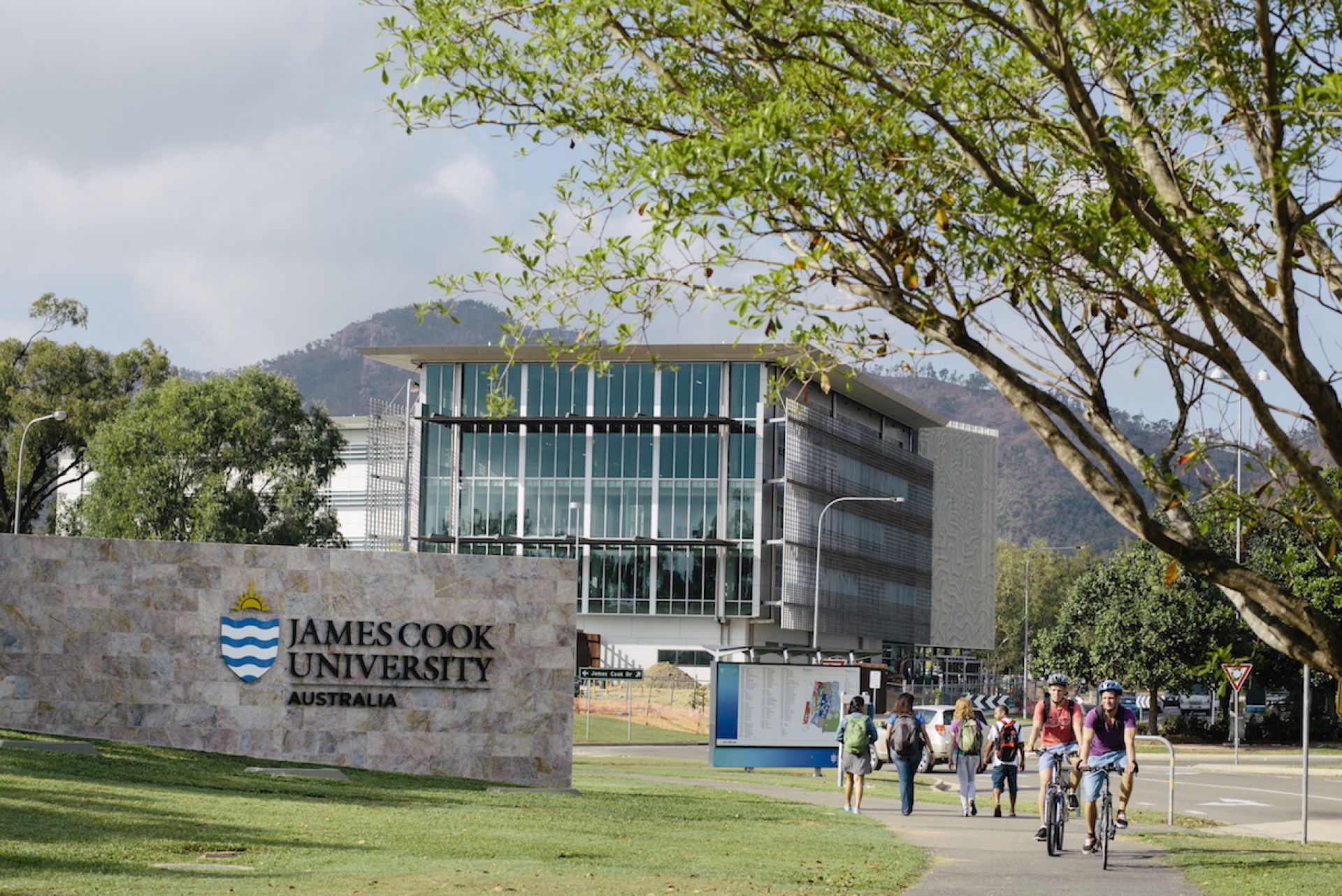
Founded in 1961, JCU stands out for its commitment to addressing challenges in the tropics, from marine biology to public health. Its libraries in Townsville and Cairns serve a vibrant community of over 20,000 students and staff, housing extensive collections that support world-class research. The university's Copyright Policy promotes an educative approach, with dedicated officers providing advice, managing licenses, and handling infringement notices.
JCU Library offers comprehensive guides on copyright for teaching staff, researchers, and students, covering topics like fair dealing exceptions and third-party content in theses. Recent emphases include AI implications, recognizing risks such as uploading copyrighted materials into generative tools.Review JCU's Copyright Policy.
Working at JCU means contributing to a culturally diverse environment with professional development opportunities. Campuses boast facilities like gyms, childcare, and medical centers, enhancing work-life balance.
Career Pathways and Professional Growth
Entering this field often starts with a bachelor's in librarianship, followed by postgraduate studies or certifications in copyright management. Many professionals gain experience as library officers before specializing. Organizations like the Australian Libraries and Archives Copyright Coalition (ALACC) offer invaluable resources, including fact sheets on fair dealing and orphan works.Explore ALACC resources.
Average salaries for librarians in Australia hover around $85,000 to $105,000 annually, with specialists like this role commanding higher due to expertise. At JCU, benefits such as five weeks' annual leave, salary packaging, and fitness passports add significant value. Career progression could lead to senior library management or policy advisory roles nationally.
Navigating AI and Emerging Challenges
AI poses novel copyright dilemmas for universities. Generating content from trained models risks infringement if inputs include protected works without permission. Australian law requires human authorship for protection, complicating AI outputs. Librarians must guide on permissible uses, such as analyzing public domain data versus licensed content.
JCU's guides highlight these issues, advising researchers to seek permissions for third-party materials in AI-assisted projects. With no broad TDM exception, licensing remains central, positioning copyright librarians as strategic assets.
Benefits and Lifestyle in North Queensland
Beyond salary, JCU offers 15 days paid sick leave, employee assistance programs, and health insurance discounts. Part-time flexibility suits those balancing other commitments. Townsville and Cairns provide tropical lifestyles with beaches, reefs, and outdoor pursuits, ideal for nature enthusiasts.
- 17% superannuation
- Generous leave entitlements
- Professional development funding
- On-campus amenities
Application Tips and Next Steps
Tailor your resume to highlight copyright experience and ALIA eligibility. Prepare examples of training delivered or licenses managed. Interviews may explore AI applications or negotiation scenarios. Applications close soon—submit via the JCU careers portal.Apply now.
This role not only advances your career but also impacts JCU's mission. With copyright complexities mounting, your expertise will empower innovation.
- higher-education-careers-australia
- academic-jobs-queensland
- jcu-jobs
- university-library-roles
- copyright-and-licensing-librarian