

At a glance
Explore the Indigenous Australian Student Success Educator role at QUT's Oodgeroo Unit, key challenges in Indigenous higher education, support programs, and why this position is vital for closing the gap in Australia.
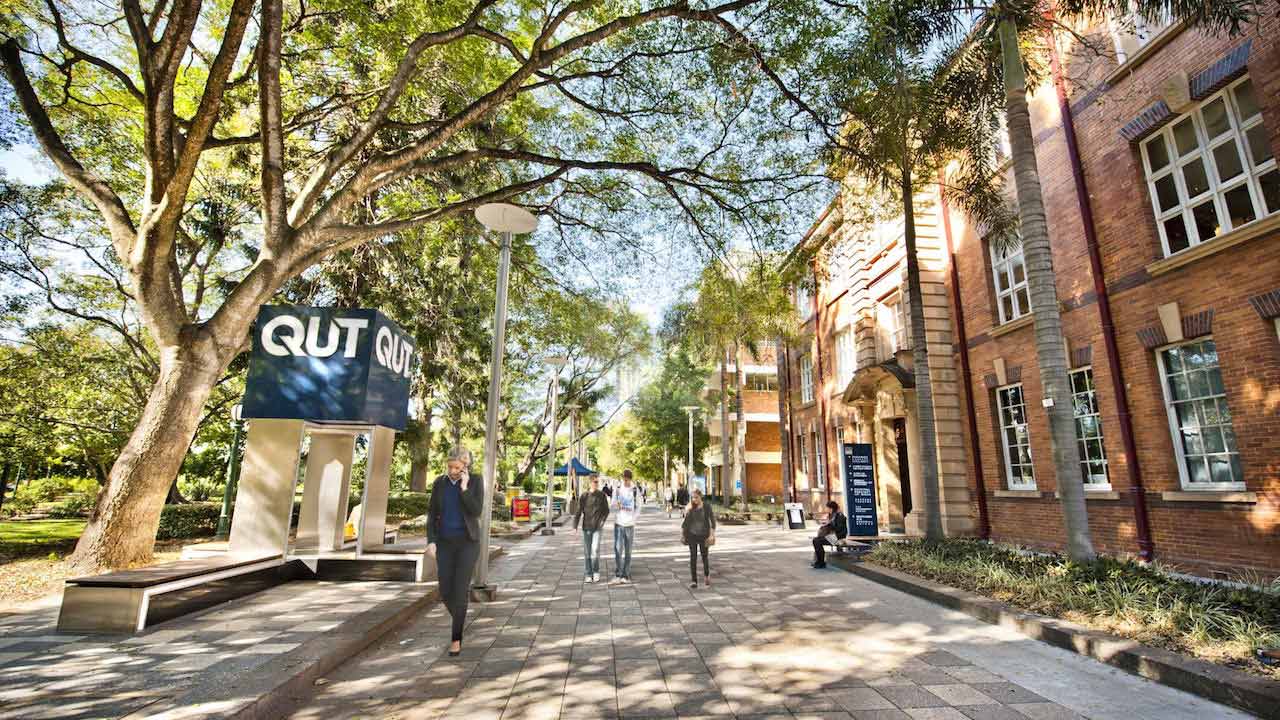
Unlocking Pathways to Success for Indigenous Students at QUT
Queensland University of Technology (QUT) is actively seeking an Indigenous Australian Student Success Educator to join its dedicated Oodgeroo Unit. This pivotal role plays a crucial part in empowering Aboriginal and Torres Strait Islander students to navigate the complexities of higher education and achieve their academic goals. As universities across Australia strive to close persistent gaps in educational outcomes, positions like this one highlight a proactive approach to fostering Indigenous excellence.
The opportunity arises at a critical time, with applications closing on May 15, 2026. This full-time, ongoing position offers a competitive salary range and hybrid work arrangements across QUT's Gardens Point and Kelvin Grove campuses in Brisbane. For those passionate about education and cultural affirmation, this role represents a chance to make lasting impacts on the next generation of First Nations leaders.
The Broader Context of Indigenous Participation in Australian Higher Education
Aboriginal and Torres Strait Islander peoples, often referred to as First Nations or Indigenous Australians, represent approximately three percent of the Australian population. Yet, their representation in higher education remains disproportionately low, hovering around one to two percent of domestic university enrollments. This disparity underscores the need for targeted interventions to enhance access, retention, and completion rates.
Over the past decade, initiatives have gained momentum. The Australian Government's Indigenous Student Success Program (ISSP), which provides supplementary funding to universities, has been instrumental. Launched in 2017, the ISSP supports scholarships, mentoring, tutorial assistance, and cultural spaces tailored to the unique needs of Indigenous students, particularly those from regional and remote areas. Funding is allocated based on enrollment numbers, unit success rates, and course completions, incentivizing institutions to prioritize outcomes.
Despite progress, challenges persist. Six-year completion rates for Indigenous undergraduate students lag behind non-Indigenous peers, influenced by factors such as financial pressures, geographic isolation, and cultural disconnection from mainstream academic environments. Universities like QUT are at the forefront, integrating Indigenous knowledges into curricula and support structures to bridge these gaps.
Challenges Indigenous Students Encounter in University Settings
Transitioning to university life presents multifaceted hurdles for many Indigenous Australian students. Common issues include imposter syndrome, where students question their belonging in academic spaces; unfamiliarity with campus norms and systems; and balancing study with family, community, and cultural obligations. Regional and remote students often face additional barriers like relocation costs and limited access to support networks.
Discrimination, both overt and subtle, contributes to feelings of isolation. Studies highlight interpersonal challenges, frustration with bureaucratic processes, and difficulties in online learning environments, which exploded during the pandemic. Workload and study-life balance further exacerbate dropout risks, with many students citing family responsibilities as a primary reason for considering departure.
Addressing these requires culturally responsive strategies. Best practices emphasize building supportive networks, providing mentorship from Indigenous staff, and creating safe cultural spaces. Case studies from various Australian universities demonstrate that personalized academic advising, combined with cultural affirmation, significantly boosts retention.
QUT's Oodgeroo Unit: A Beacon of Indigenous Student Support
Established in 1991, the Oodgeroo Unit serves as QUT's dedicated hub for Indigenous Australian student success. Named after a prominent Queensland Indigenous leader, the unit offers admission pathways, academic tutoring, personal counseling, and cultural programs. Facilities include computer labs, study spaces, and meeting areas at both major campuses, fostering a sense of community.
QUT's broader commitment shines through its Indigenous Australian Employment Strategy (2023-2027) and the groundbreaking Faculty of Indigenous Knowledges and Culture, launched in 2024. This Australia-first faculty will offer graduate certificates starting in 2026, embedding First Nations perspectives across the university. The Oodgeroo Unit collaborates with faculty teams to identify at-risk students early and deploy innovative interventions.
These efforts align with national goals, positioning QUT as a leader in Indigenous higher education. The university aims for a three-point-six percent Indigenous staff participation rate, supporting this through networks, cultural leave, and professional development.
Diving into the Indigenous Australian Student Success Educator Role
This educator position, reference number 26179, is an identified role exclusively for Aboriginal or Torres Strait Islander applicants, as per Queensland's Anti-Discrimination Act. Reporting to the Senior Success Educator, the role focuses on partnering with stakeholders—including Student Success teams and faculties—to help Indigenous students master effective learning strategies.
Key duties involve analyzing student data to spot at-risk individuals, designing targeted programs and communities of practice, and managing projects that promote excellence. The hybrid model allows flexibility while requiring presence across campuses, ensuring direct engagement with students in face-to-face and digital formats.
Candidates need a degree or equivalent experience in education or student engagement, proven success supporting Indigenous learners, data analysis skills for tailored advice, and strong communication abilities for facilitation and resource creation.

Key Selection Criteria and Essential Skills
To excel, applicants should demonstrate:
- Relevant qualifications and hands-on experience in student transition and success.
- Culturally responsive support in academic, personal, and cultural domains.
- Proficiency in using engagement data to intervene proactively.
- Relationship-building across students, staff, and services.
- Advanced communication, including digital content development.
- Case management, problem-solving, and independent judgment.
- Commitment to equity and diversity.
These criteria ensure the educator can deliver integrated support, aligning with QUT's whole-of-university approach.
Compensation, Benefits, and Work Environment
The role falls under HEW7 classification, with a total remuneration package of $122,852 to $134,385 per annum. This includes base salary from $103,811 to $113,557, seventeen percent superannuation, and seventeen-point-five percent recreation leave loading. QUT enhances this with hybrid work, cultural and ceremonial leave, employee assistance programs tailored for Indigenous staff, and access to gyms, health discounts, and study assistance.
The supportive environment includes the Indigenous Staff Network, yarning sessions, and representation on committees, promoting wellbeing and career growth.
Alignment with National Programs like the Indigenous Student Success Program
QUT leverages ISSP funding to amplify its efforts. The program, now under the Department of Education since July 2025, offers scholarships for education costs, accommodation, and rewards for high achievers. This financial aid is crucial for financially disadvantaged students from remote areas, covering textbooks, laptops, rent assistance, and more.
By integrating ISSP resources with Oodgeroo's expertise, the Student Success Educator contributes to measurable improvements in retention and completion, directly supporting government priorities.
Best Practices and Case Studies from Australian Universities
Successful models emphasize holistic support. For instance, 'Wings to Fly' programs at some institutions build peer networks and mentorship, yielding higher persistence rates. Culturally safe spaces reduce alienation, while data-driven interventions catch issues early.
QUT's approach mirrors these, with embedded Indigenous perspectives in teaching and research. The Carumba Institute further advances Indigenous-led scholarship, providing real-world examples for educators to draw upon.
Career Opportunities and Reasons to Apply
This role offers a platform for Indigenous professionals to shape higher education futures. With QUT's growth in Indigenous initiatives, it opens doors to senior positions, research, and leadership. Applying now, via the dedicated portal, positions candidates amid urgent national needs.
Link back to the full listing on AcademicJobs.com for more details and to submit your application before the deadline.
Looking Ahead: Progress Toward Closing the Gap Targets
The Closing the Gap agreement sets a target for seventy percent of Indigenous Australians aged twenty-five to thirty-four to hold a tertiary qualification by 2031. While progress is evident, accelerated action is required. Roles like this at forward-thinking universities will be instrumental in achieving parity.
With demographic shifts and policy focus, demand for skilled Indigenous educators will rise, promising rewarding careers in an evolving sector.
- student-success
- higher-education-australia
- indigenous-education
- qut-jobs
- oodgeroo-unit