

At a glance
Discover the Senior Scientific/Technical Officer (Simulation Learning) opportunity at QUT's Faculty of Health. Explore role details, skills, trends in Australian higher education simulation, and how to apply for this rewarding career.
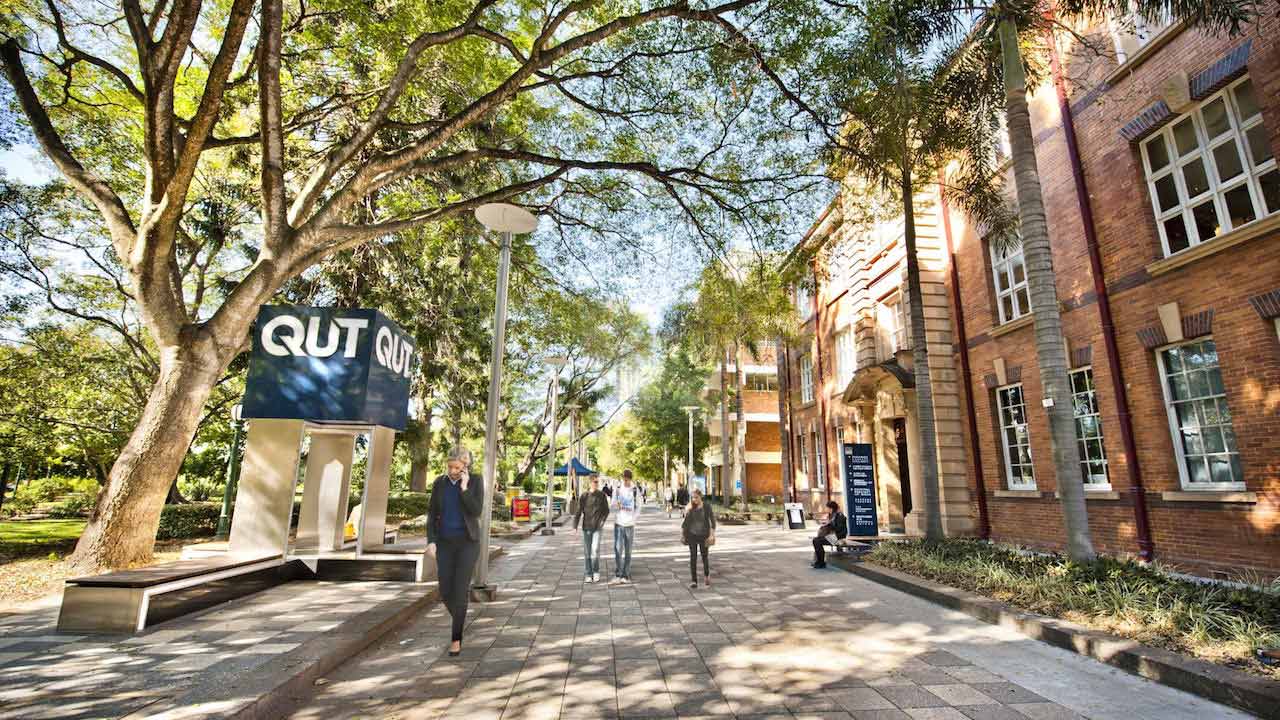
In the dynamic world of higher education, particularly within health sciences, simulation learning has emerged as a cornerstone for preparing students for real-world challenges. Queensland University of Technology (QUT), a leading institution in Brisbane, is currently recruiting for a Senior Scientific/Technical Officer (Simulation Learning) position in its Faculty of Health. This ongoing, full-time role offers a unique opportunity to contribute to cutting-edge educational practices that bridge theory and practice in nursing and paramedicine.
The position, referenced as 26247, is based at the Kelvin Grove campus and plays a pivotal role in supporting academic endeavors through technical expertise. As simulation technologies evolve, professionals in this field are increasingly vital for delivering safe, effective training environments that enhance student outcomes and patient safety in future healthcare settings.
Understanding the Senior Scientific/Technical Officer Role
The core of this position involves providing high-quality technical support within the Faculty of Health's simulation facilities. This means ensuring the seamless operation of specialized equipment used in nursing and paramedicine simulations. From setting up high-fidelity mannequins that mimic human responses to programming scenarios for emergency responses, the officer collaborates closely with academics and students to create immersive learning experiences.
Unlike traditional lecturing roles, this technical position demands hands-on involvement in the day-to-day management of labs. Officers troubleshoot issues on the fly, maintain equipment to prevent downtime, and innovate ways to integrate new technologies like virtual reality overlays into simulations. At QUT, this role is part of Faculty Operations, emphasizing a team-based approach to sustain high standards in learning and teaching.
The Growing Importance of Simulation Learning in Australian Higher Education
Simulation-based learning, often abbreviated as SBL, replicates real-life clinical scenarios in a controlled environment, allowing students to practice skills without risking patient harm. In Australia, where healthcare demands are rising due to an aging population and increasing chronic diseases, universities have ramped up investments in SBL. According to industry forecasts, the simulation learning market in higher education is projected to grow significantly, driven by advancements in AI and immersive tech.
For health disciplines like nursing and paramedicine, SBL addresses gaps in clinical placements exacerbated by post-pandemic constraints. Students engage in step-by-step scenario training—from initial assessment to intervention—building confidence and competence. This method not only improves retention rates but also aligns with accreditation standards from bodies like the Australian Health Practitioner Regulation Agency (AHPRA).
QUT's Faculty of Health: Pioneering Simulation Facilities
QUT's Faculty of Health stands out with over 10,000 students across its schools, boasting state-of-the-art infrastructure. Key assets include the Clinical Simulation Centre, Nursing Clinical Simulation labs, Paramedic science simulation spaces, and the Radiation Therapy Virtual Environment (VERT). These facilities enable hands-on activities such as CPR on life-sized mannequins, virtual dissections, and team-based emergency drills.
The Kelvin Grove campus integrates these labs into a vibrant ecosystem, where technical officers ensure equipment like patient simulators, audiovisual systems, and debriefing software function flawlessly. QUT's focus on real-world application extends to research, with faculty members publishing on SBL efficacy in peer-reviewed journals. For more on these innovations, visit the QUT Faculty of Health page.
Key Responsibilities and Their Real-World Impact
Daily duties encompass a broad spectrum:
- Operating and maintaining simulation facilities, including high-fidelity manikins and specialized paramedicine/nursing equipment.
- Providing technical guidance to academics for curriculum development and scenario design.
- Supporting student sessions by troubleshooting AV systems and ensuring scenario fidelity.
- Contributing to continuous improvement through equipment upgrades and safety audits.
- Collaborating with teams to deliver integrated services that elevate learning experiences.
These tasks directly impact student preparedness; for instance, a well-maintained sim lab can simulate rare events like cardiac arrests, allowing repeated practice until mastery.
Essential Qualifications and Skills Profile
Candidates need education, training, or experience equivalent to a bachelor's degree in a related field, coupled with proven expertise in health sciences, particularly nursing and paramedicine. Beyond technical prowess, success hinges on strong interpersonal skills for team collaboration, problem-solving for on-the-spot fixes, and adaptability to evolving tech.
Experience with laboratory equipment maintenance, report writing, and a commitment to equity and diversity—especially Indigenous engagement—are crucial. QUT values candidates who can interpret complex instructions and apply theoretical knowledge practically.
Attractive Remuneration and Comprehensive Benefits
This HEW6-level role offers a competitive package: $111,341 to $120,557 per annum, inclusive of base salary ($94,084–$101,872), 17% superannuation, and 17.5% recreation leave loading. Additional perks include flexible work options, generous parental leave (up to 26 weeks), fitness programs, salary packaging, and professional development.
In the broader Australian context, senior technical officers in simulation centres earn above the national average of $85,000–$100,000, reflecting the specialized nature of the work.
| Component | Details |
|---|---|
| Base Salary | $94,084 - $101,872 pa |
| Superannuation | 17% |
| Leave Loading | 17.5% |
| Total Package | $111,341 - $120,557 pa |
Career Pathways and Progression Opportunities
Starting as a Senior Scientific/Technical Officer opens doors to supervisory roles, like Supervising Technical Officer, or specialized paths in research support. Many transition into educational technology leadership or industry consulting. QUT's emphasis on staff development, including Indigenous strategies aiming for 3.6% workforce participation, fosters long-term growth.
In Australian universities, technical staff often pursue certifications in simulation education, enhancing employability amid rising demand.
Current Trends Driving Demand in Australia
Post-2020, Australian universities accelerated SBL adoption, with VR/AR integration and AI-driven scenarios leading the charge. By 2026, hybrid models blending physical sims with digital twins are standard, addressing placement shortages. Reports highlight a 23% CAGR for simulation markets, positioning technical officers as key enablers.
Challenges like equipment costs are offset by government funding for health workforce training. For insights into market growth, see analyses from Research and Markets.
Insights from Peers in Similar Roles
Technical officers at institutions like Charles Sturt University and Flinders University report high job satisfaction from witnessing student transformations. One paramedicine sim specialist noted, 'Seeing a nervous first-year confidently manage a mock trauma case is rewarding.' These roles blend technical acumen with educational passion.
Preparing a Compelling Application
Tailor your CV to highlight relevant experience, using STAR method for selection criteria responses. Emphasize health discipline knowledge and examples of equipment maintenance. Applications close 21 May 2026 at 11:30pm. Apply via the QUT application portal, and explore the listing on AcademicJobs.com.
Why Choose QUT for Your Simulation Career
QUT's values—Ambition, Integrity, Inclusiveness, Innovation—create an inclusive environment. The Kelvin Grove campus offers modern facilities and a supportive community, with initiatives for work-life balance like purchased leave schemes.
Looking Ahead: The Future of Simulation Roles
As Australian higher education embraces metaverse sims and personalized AI feedback, demand for skilled officers will surge. This QUT role positions you at the forefront, contributing to a healthier future through innovative training.
Don't miss this chance to make a difference. Applications are open now—secure your place in advancing health education.
- qut-jobs
- higher-education-careers-australia
- simulation-learning
- health-simulation
- technical-officer-university