
Academic Jobs - Home of Higher Ed Logo

Biomedicine Jobs in Higher Education

Explore academic career opportunities in Biomedicine within the Medicine field. Discover roles in research, teaching, and clinical practice at top universities and institutions.

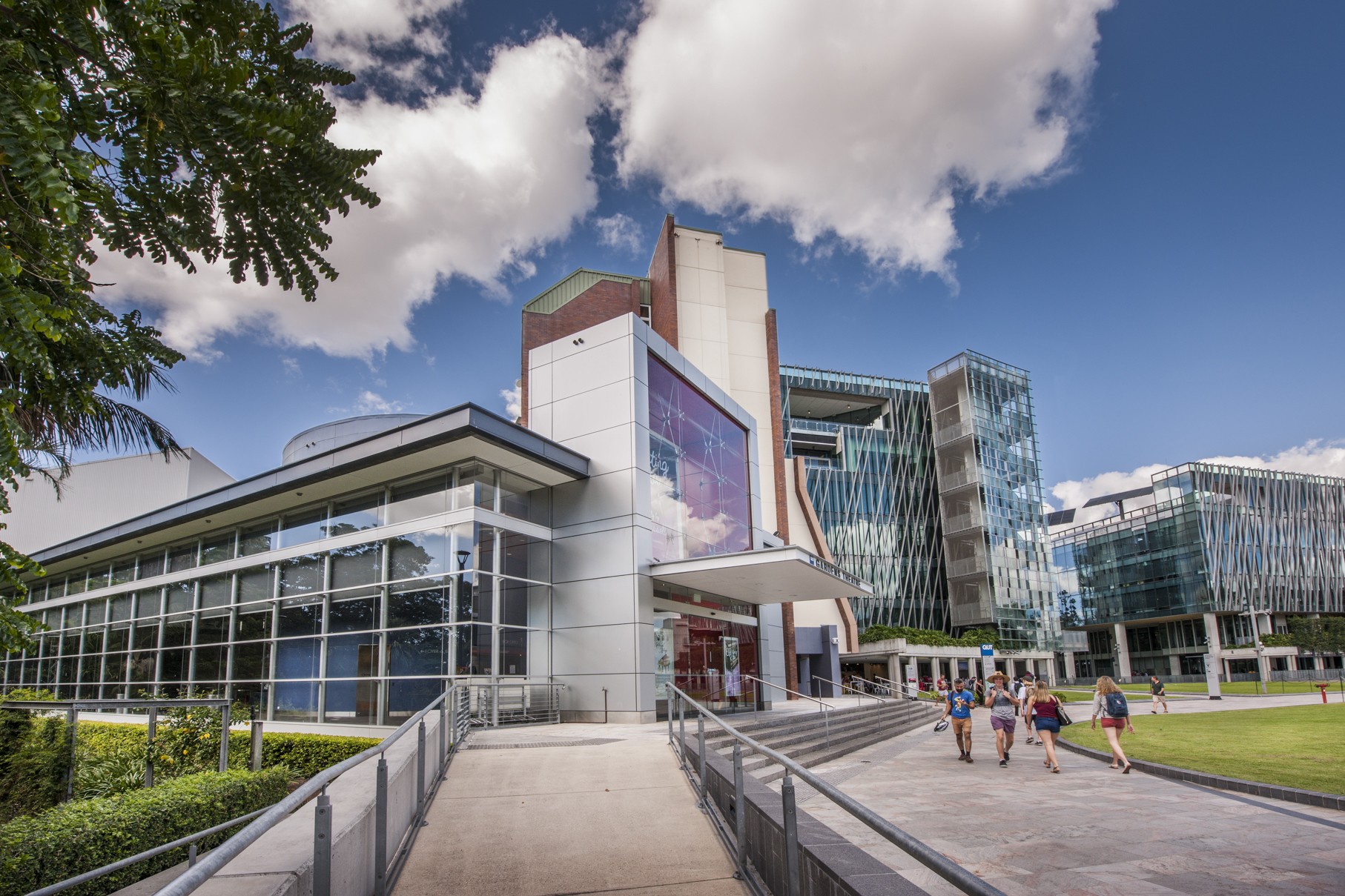
Empower the Next Generation of Biomedical Scientists at QUT

Empower the Next Generation of Biomedical Scientists at QUT

Introduction & Overview

Biomedicine applies biological and physiological principles to clinical practice, bridging lab discoveries to patient treatments. It integrates molecular biology, pharmacology, bioinformatics, genetics, immunology, and biochemistry to develop diagnostics, therapies, and preventive strategies for diseases like cancer, Alzheimer's, and infectious outbreaks. Landmark events include the 1953 discovery of DNA's double helix and the 2003 completion of the Human Genome Project. Recent advances feature CRISPR gene editing, single-cell sequencing, mRNA vaccines, CAR-T immunotherapy with 80% remission rates in trials, and organoid models for drug testing. US biomedical research funding surged over 15% from 2015-2025 per NIH data, with biotech investments topping $50 billion annually. Employment in biomedical research is projected to grow 10% by 2032. Explore biomedicine jobs, higher-ed-jobs, or location-specific roles on the US, UK, or Australia pages.

Qualifications & Career Pathways

Educational Requirements

A bachelor's degree in biology, biochemistry, or biomedical sciences is the entry point, followed by a master's for specialized skills. A PhD in biomedicine or biomedical engineering is essential for tenure-track faculty roles, typically followed by 2-5 years of postdoctoral training. Top programs are offered at Ivy League schools such as Harvard, Johns Hopkins, Stanford, and the University of Cambridge.

Key Skills and Certifications

Core skills include CRISPR gene editing, flow cytometry, bioinformatics, Python or R data analysis, grant writing, and teaching pedagogy. Certifications in biosafety (BSL-3), animal handling (IACUC), or Good Laboratory Practice (GLP) strengthen profiles. Aim for 5-10 peer-reviewed publications during PhD/postdoc, targeting high-impact journals like Nature Biomedical Engineering.

Step-by-Step Pathway

  1. Bachelor's Degree (4 years): Focus on molecular biology, genetics, and physiology with undergraduate research internships. Maintain GPA 3.5+.
  2. PhD (5-7 years): Complete coursework, qualifying exams, and dissertation at institutions like Johns Hopkins or Harvard Medical School. Publish 3-5 papers.
  3. Postdoctoral Fellowship (2-4 years): Conduct independent research, secure NIH grants, and present at conferences like the Biomedical Engineering Society meeting.
  4. Faculty Application: Apply for assistant professor roles with teaching demos and grant records.
StageDurationKey MilestonesAvg. Age at Completion
Bachelor's4 yearsResearch internship, GPA 3.7+22
PhD5-7 years3+ publications, dissertation29
Postdoc2-4 yearsGrants, independent projects32
Assistant Prof6 years to tenureTenure review, funding38+

Avoid pitfalls like low-impact publishing or funding gaps by diversifying grants and networking via Rate My Professor. Explore higher ed faculty jobs, scholarships, and higher ed career advice. Read the guide to becoming a university lecturer or postdoctoral success tips.

Salaries, Benefits & Compensation

Breakdown by Role

RoleUS Median Base Salary (2022-23)Range (Top Institutions)
Assistant Professor$112,000$100,000 - $160,000
Associate Professor$138,000$130,000 - $200,000
Full Professor$192,000$180,000 - $300,000+

Figures from the American Association of University Professors (AAUP) show private universities like Johns Hopkins or Stanford offering 20-50% more. In the UK, lecturers start at £45,000-£55,000; Australia offers AUD 120,000+ for research fellows. Check detailed breakdowns on the professor salaries page.

Location-Based Variations

  • High-cost hubs like San Francisco, CA or Boston, MA: +25-40% premiums, averaging $150,000+ for assistants.
  • Midwest (Chicago, IL): $95,000-$130,000, balanced by lower living costs.
  • Europe: €60,000-€100,000 ($65,000-$110,000 USD), with superior pensions.

Trends, Negotiation & Benefits

Salaries grew 3-5% annually due to demand in AI-driven drug discovery. Factors include postdoctoral experience, high-impact publications, and NIH R01 grants adding $50k+ supplements. Negotiate $250k-$1M startup funds, reduced teaching loads, and spousal hires. Benefits include 80-100% employer-paid health coverage, 403(b) matching up to 10%, sabbaticals, and tuition waivers. Total compensation often exceeds base salary by 30-50%. Benchmark via professor salaries and Rate My Professor.

Locations & Top/Specializing Institutions

Key Locations

Biomedicine thrives in hubs with strong NIH funding, industry partnerships, and top institutions. US biotech clusters like Boston and San Francisco lead with over $45 billion in 2023 NIH funding. Europe offers Horizon Europe grants (€95.5 billion for 2021-2027) and work-life balance. Asia-Pacific hotspots include Singapore and Shanghai with fast-track visas. High competition and living costs in US hubs are offset by superior pay; check visa pathways via higher ed career advice.

RegionDemand LevelAvg. Assistant Prof Salary (USD equiv., 2024)Top Hubs & InstitutionsQuirks & Insights
North America (US/Canada)High$110k-$150kBoston (Harvard, MIT), San Francisco (UCSF, Stanford), Toronto (UofT)NIH/CIHR funding boom; explore Boston jobs.
Europe (UK/Germany/Switzerland)High$70k-$110kLondon (Imperial), Heidelberg (Uni Heidelberg), Basel (ETH Zurich)ERC grants; strong pharma ties (Novartis, Roche).
Asia-PacificGrowing High$90k-$130kSingapore (NUS, A*STAR), Shanghai (Fudan), Melbourne (Uni Melbourne)Gov't investments; check Australia opportunities.

Top Institutions

Harvard University

Cambridge, Massachusetts: PhD Program in Biological and Biomedical Sciences with access to the Broad Institute and Massachusetts General Hospital. Average NIH grants exceed $500K per lab. Check Cambridge opportunities.

Johns Hopkins University

Baltimore, Maryland: #1 in biomedical engineering (US News 2024). 95% employment rate within 6 months. Explore Baltimore jobs and Rate My Professor insights.

Stanford University

Palo Alto, California: MS/PhD in Bioengineering integrating AI and precision medicine. Proximity to Silicon Valley; faculty salaries average $180K+. Visit Palo Alto listings.

Karolinska Institutet

Stockholm, Sweden: PhD programs in medical science with Nobel ties and stipends (~€35K/year). See Stockholm academic jobs.

InstitutionKey ProgramsQS Biological Sciences Rank (2024)Benefits for Jobseekers/StudentsLocation Link
Harvard UniversityPhD BBS1Top funding, hospital tiesCambridge, US
Johns HopkinsPhD Biomedical Engineering6Cancer research leadershipBaltimore, US
Stanford UniversityPhD Bioengineering3Biotech industry accessPalo Alto, US
Karolinska InstitutetPhD Medical Science12Nobel networks, stipendsStockholm, SE

Tips for Landing a Job or Enrolling

  • Earn an Advanced Degree: Pursue a PhD or MD/PhD at top institutions like Johns Hopkins or Stanford. Apply via GRE/TOEFL and secure scholarships. Graduates from Harvard's program land postdocs earning $60,000-$70,000.
  • Build a Research Portfolio: Publish 5-10 first-author papers in high-impact journals. Highlight metrics on your CV for roles averaging $120,000-$180,000 USD. Use Rate My Professor to select mentors.
  • Network Strategically: Attend conferences like the Biomedical Engineering Society meeting and connect on LinkedIn. Referrals boost chances by 40%. Explore higher-ed faculty jobs.
  • Gain Teaching Experience: Serve as a TA and document feedback. Check professor ratings in Biomedicine.
  • Tailor Applications: Customize CVs using free resume templates. Read how to become a lecturer.
  • Leverage Job Boards: Monitor biomedicine jobs and set alerts for postdoc and faculty roles. Remote higher-ed jobs are rising 20%.
  • Prepare for Interviews: Rehearse job talks and grant-writing skills. Use postdoc success tips.
  • Stay Updated: Follow trends in personalized medicine and AI. Join societies like BMES and check salaries in US or UK locations.

Diversity, Inclusion & Professional Networks

Women comprise about 37% of assistant professors in biomedical sciences but only 25% of full professors in the US per NIH 2023 data. Underrepresented minorities hold 4-9% of faculty positions per NSF reports. Many universities require DEI statements in applications. Programs like NIH Diversity Supplements and NSF ADVANCE fund underrepresented researchers. Diverse teams produce 20-35% higher-impact publications. Highlight your background in cover letters for higher-ed faculty jobs and use Rate My Professor to identify inclusive departments. Network via SACNAS or ABRCMS conferences.

Key Societies and Networks

American Society for Biochemistry and Molecular Biology (ASBMB)

Advances cellular processes and therapeutics. Benefits include annual meetings, Journal of Biological Chemistry access, and job boards. $215 annual ($40 students). Vital for US jobs. Visit ASBMB.org

Biomedical Engineering Society (BMES)

Supports medical devices and imaging. Student chapters, annual conference with 6,000+ attendees. $165/year ($25 students). Visit BMES.org

Federation of American Societies for Experimental Biology (FASEB)

Promotes policy and training across 23+ societies. Free membership; diversity programs and career center. Visit FASEB.org

European Molecular Biology Organization (EMBO)

Fosters molecular life sciences with fellowships and workshops. €100/year. Great for EU networks (UK, Germany). Visit EMBO.org

International Society for Stem Cell Research (ISSCR)

Promotes stem cell ethics and regenerative medicine. $225/year ($75 students). Visit ISSCR.org

Resources & Perspectives

Key Resources

  • 💼 Nature Careers: Global biomedicine positions with salary ranges $80,000-$150,000. Advanced search and career advice. Visit Nature Careers
  • 💼 Science Careers: US-centric academic jobs and NIH postdocs. Webinars for grant writing. Explore Science Careers
  • 🌍 EURAXESS: Europe-wide jobs and Marie Curie fellowships up to €5,000/month. Visa guidance. Check EURAXESS
  • 📊 BioSpace: Biotech roles averaging $120,000 for PhDs. Trend reports on AI in biomedicine. Browse BioSpace Jobs
  • 🎓 Coursera & edX: Specializations like Biomedical Informatics from Johns Hopkins. Add projects to free resume templates. Start on Coursera
  • 🔬 FASEB Career Resources: Salary surveys (median $95,000 for postdocs) and mentorship matching. Access FASEB Resources

Benefits and Professional Perspectives

US Bureau of Labor Statistics projects 10% growth in medical scientist roles through 2032. Assistant professors earn $110,000–$140,000 annually, rising to $200,000+ for full professors. Enjoy intellectual freedom, flexible research, and work-life balance. Dr. Jennifer Doudna's CRISPR path from postdoc to Nobel exemplifies prestige and impact. On Rate My Professor, Biomedicine courses at Stanford and UCL average 4.2/5 stars, praising innovative labs but noting heavy workloads. Professionals advise mastering grant writing early amid competitive NIH funding. Students value collaborative EU Horizon projects. Explore US, Canada, or UK hubs and research jobs for opportunities. BLS Medical Scientists Outlook confirms robust trends.

Frequently Asked Questions

📚What qualifications do I need for Biomedicine faculty?

Securing a Biomedicine faculty position typically requires a PhD in Biomedicine, Biomedical Sciences, Molecular Biology, or a related discipline, followed by 2-5 years of postdoctoral research. A strong publication record (10+ peer-reviewed papers), teaching experience, and evidence of grant funding (e.g., NIH K99/R00) are essential. Many roles demand interdisciplinary expertise in areas like genomics or immunotherapy. Use our Rate My Professor to research professors' backgrounds and advice.

🛤️What is the career pathway in Biomedicine?

The Biomedicine career pathway starts with a bachelor's in biology, chemistry, or engineering, followed by a PhD (5-7 years) focusing on research. Next is postdoctoral training (2-5 years) to build independence. Aspiring faculty then apply for assistant professor roles, advancing to associate and full professor with tenure. Alternative paths include industry R&D before academia. Check higher-ed jobs for openings.

💰What salaries can I expect in Biomedicine?

Biomedicine faculty salaries vary: assistant professors earn $95,000-$130,000 annually, associates $110,000-$160,000, and full professors $140,000-$250,000+ in the US, per AAUP data. Factors include institution prestige, location (higher in California), and grants. Public universities average lower than privates like Stanford. Explore salary insights via professor reviews on Rate My Professor.

🏫What are top institutions for Biomedicine?

Leading Biomedicine institutions include Johns Hopkins University, Harvard Medical School, Stanford University, MIT, UC San Francisco, and Duke University, known for cutting-edge research in regenerative medicine and biotech. Internationally, Oxford and ETH Zurich excel. Students should target their PhD programs; jobseekers browse faculty openings on AcademicJobs.com linked to these schools.

🌍How does location affect Biomedicine jobs?

Location impacts Biomedicine jobs profoundly: Boston (Harvard, MIT) offers abundant roles but high competition and living costs; Bay Area (UCSF, Stanford) boasts top salaries ($150k+ start) amid biotech boom; Research Triangle (Duke, UNC) provides balance. Rural institutions emphasize teaching. Search location-specific pages like Massachusetts jobs on our site.

🔬What courses prepare students for Biomedicine?

Key courses for Biomedicine include molecular biology, cell biology, biochemistry, genetics, physiology, bioinformatics, and biomedical ethics. Hands-on labs and electives in CRISPR or nanotechnology are vital. Top programs at institutions like Johns Hopkins offer specialized tracks. Use Rate My Professor to pick standout courses and professors.

🔍How to find Biomedicine faculty positions?

Search platforms like AcademicJobs.com for 'Biomedicine faculty jobs', attend conferences, and network via LinkedIn or society job boards (e.g., FASEB). Tailor applications to emphasize research fit. Set alerts for locations like California jobs. Professor insights on our Rate My Professor page reveal hiring trends.

🛠️What skills are essential for Biomedicine professors?

Essential skills include advanced research techniques (e.g., flow cytometry, NGS), grant writing, mentoring students, and teaching complex topics accessibly. Soft skills like collaboration and communication shine in interdisciplinary teams. Reviews on Rate My Professor highlight professors excelling in these areas.

⚖️What are the pros and cons of Biomedicine academia?

Pros: intellectual freedom, impacting health via research, summer flexibility, prestige. Cons: grant pressure, publish-or-perish culture, work-life imbalance during funding cycles. Boston and Bay Area roles offer resources but high stress. Balance insights from Rate My Professor reviews.

How can Rate My Professor help with Biomedicine careers?

Our Rate My Professor tool provides authentic reviews on Biomedicine faculty, revealing teaching quality, research opportunities, and department culture at target institutions. Students use it for course selection; jobseekers gauge potential colleagues and fit before applying.

🎓What are the best graduate programs in Biomedicine?

Top PhD/MS programs: Johns Hopkins Biomedical Engineering, Harvard Biological & Biomedical Sciences, Stanford Biosciences, MIT Biology. They offer funding, top labs, and industry ties. Research programs via faculty ratings on Rate My Professor.
38 Jobs Found
View More