
Unlocking New Frontiers in Photochemistry Through Advanced Laser Technology
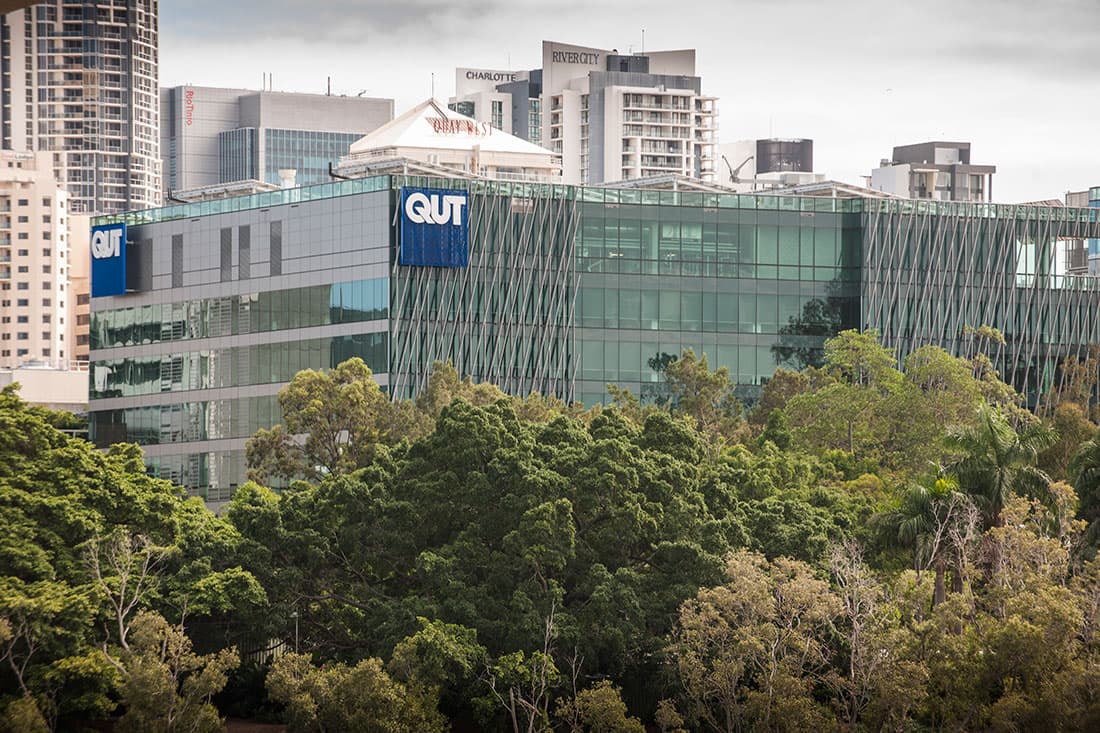
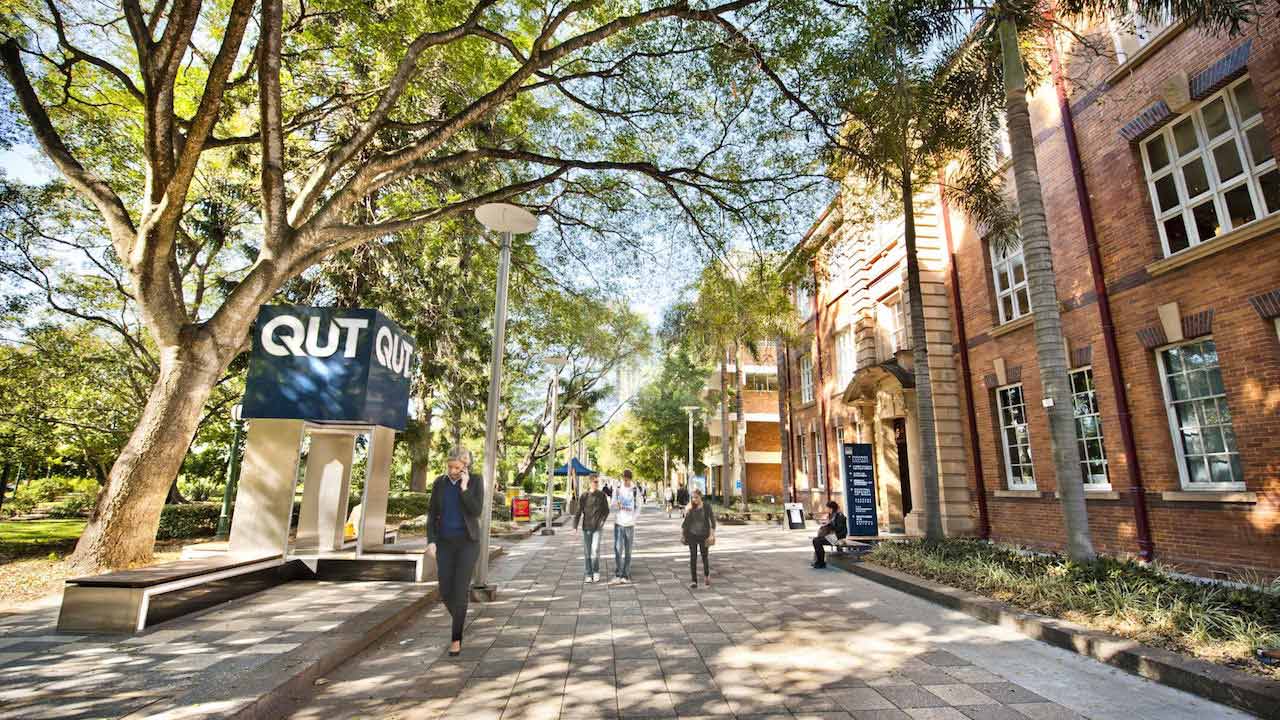
Australia's higher education sector continues to drive innovation in the physical sciences, with leading institutions like Queensland University of Technology offering exceptional opportunities for early-career researchers. One standout position currently available is the ARC Postdoctoral Research Fellow in Tuneable Laser Photochemistry, a three-year fixed-term role based in the School of Chemistry and Physics at QUT's Gardens Point campus in Brisbane.
This fellowship forms part of an Australian Research Council Discovery Project investigating the fundamental mismatch between photochemical reactivity and molecular absorptivity. It represents a prime example of how Australian universities are investing in cutting-edge experimental research that bridges physics, chemistry, and materials science.
The Science Behind Tuneable Laser Photochemistry
Photochemistry involves chemical reactions triggered by light absorption. Traditionally, researchers have assumed that the wavelength at which a molecule absorbs light most strongly would also drive the most efficient reaction. However, recent findings challenge this long-held view, showing that peak absorption does not always align with maximum photochemical efficiency.
Tuneable lasers address this by allowing precise control over the wavelength of light delivered to samples. Unlike fixed-wavelength sources, these systems can scan across a broad spectrum, enabling detailed mapping of how different energies influence reaction pathways, quantum yields, and product distributions. This capability is essential for studying wavelength-resolved phenomena and developing photochemical action plots that reveal true reactivity profiles.
In practice, the process begins with preparing samples in controlled microenvironments, followed by exposure to monochromatic or scanned laser light while monitoring outcomes through spectroscopy techniques such as UV-visible absorption, fluorescence, NMR, mass spectrometry, and chromatography. Data analysis then quantifies efficiency metrics, often revealing surprising optima that guide the design of new photoactive materials.
QUT's Leadership in Macromolecular Photochemistry
QUT has established itself as a global hub for light-driven materials research through its Soft Matter Materials Laboratory, known as Macroarc. The lab integrates advanced synthetic chemistry with state-of-the-art photochemical instrumentation, including multiple wavelength-tuneable laser systems. Researchers here explore applications ranging from precision polymer synthesis and 3D printing to stimuli-responsive coatings and bioorthogonal reactions.
The current ARC-funded project builds directly on this expertise, combining experimental photophysics with theoretical insights to resolve discrepancies between absorption spectra and actual reaction performance. Fellows joining the team will maintain and operate these sophisticated laser setups while collaborating across disciplines within the Faculty of Science.
Key Responsibilities and Research Focus
The successful candidate will lead experimental campaigns focused on wavelength-dependent photochemistry. Core duties include designing and executing action plot experiments, optimising laser systems for stability and precision, and characterising reaction outcomes in varied microenvironments. Additional responsibilities involve mentoring students, contributing to publications, and presenting findings at conferences.
Work will emphasise both fundamental understanding and potential translational impacts, such as improved light-based manufacturing processes or advanced functional materials. The role requires close interaction with theoretical chemists and physicists to interpret results and refine models.
- Operating and maintaining tuneable laser platforms for high-resolution photochemical studies
- Developing protocols for microenvironment-controlled reactions
- Analysing photophysical data to extract quantum efficiencies and action spectra
- Collaborating on multidisciplinary projects within the ARC Discovery framework
Qualifications and Skills for Success
Applicants need a doctoral qualification in physics or a closely related field, coupled with demonstrated expertise in photophysics, optics, and photochemistry. Hands-on experience with laser-based experimentation, particularly tunable or monochromatic sources, is essential. Familiarity with photochemical action plot methodologies and a range of analytical characterisation techniques strengthens applications.
Beyond technical skills, candidates should show strong collaborative abilities and a commitment to equity, diversity, and Indigenous Australian engagement. The position is open to current QUT staff with appropriate work rights, as well as external applicants, including Aboriginal and Torres Strait Islander researchers.
Remuneration, Benefits, and Career Development at QUT
The role offers a competitive salary package ranging from approximately $96,342 to $130,727 per annum, inclusive of superannuation and leave loading. Fixed-term employment for three years provides stability while allowing focused research output.
QUT supports work-life balance through flexible arrangements, generous parental leave, purchased leave options, and professional development programs. Additional perks include access to fitness facilities, salary packaging, and initiatives supporting Indigenous staff. These elements make the university an attractive employer within Australia's higher education landscape.
The Broader Context of ARC Funding and Postdoctoral Careers in Australia
The Australian Research Council plays a pivotal role in supporting fundamental and applied research across the nation. Discovery Projects like this one fund innovative inquiries that often lead to breakthroughs with wide-reaching implications for industry and society. Postdoctoral positions funded through such grants offer valuable pathways for researchers to build independent profiles before transitioning to continuing academic or industry roles.
In higher education, these fellowships contribute to Australia's reputation for excellence in the physical sciences. They also address skills gaps in specialised areas such as precision optics and laser instrumentation, preparing the next generation of scientists for emerging challenges in sustainable materials and advanced manufacturing.
Impact on Materials Science and Future Applications
Advancements in tuneable laser photochemistry hold promise for numerous sectors. Better understanding of wavelength-specific reactivity can optimise processes in additive manufacturing, where light triggers polymerisation with spatial control. It may also enable smarter photoresponsive materials for sensors, drug delivery systems, or adaptive coatings that respond dynamically to environmental cues.
By resolving the absorption-reactivity mismatch, researchers can design more energy-efficient photochemical systems, reducing waste and improving sustainability in chemical synthesis. These insights align with national priorities around net-zero transitions and advanced manufacturing capabilities.
How to Apply and Next Steps
Applications for the ARC Postdoctoral Research Fellow in Tuneable Laser Photochemistry close on 25 June 2026. Interested candidates should review the full position description and submit materials through QUT's recruitment portal. Early preparation of a strong research statement highlighting relevant laser experience and publications is recommended.
Prospective applicants are encouraged to explore related opportunities in Australian higher education, including other postdoctoral roles in chemistry and physics at institutions across the country. Building networks through professional associations and attending relevant conferences can further enhance visibility in this competitive field.
Looking Ahead: The Evolving Landscape of Photochemical Research
As laser technology advances and computational tools improve, the field of photochemistry is poised for accelerated discovery. Australian universities like QUT are well-positioned to lead these developments, offering supportive environments for ambitious researchers. Positions such as this fellowship not only advance individual careers but also strengthen the nation's research capacity in strategically important areas.
For those passionate about light-matter interactions and their applications, this opportunity provides a gateway to meaningful contributions at the intersection of fundamental science and technological innovation.