
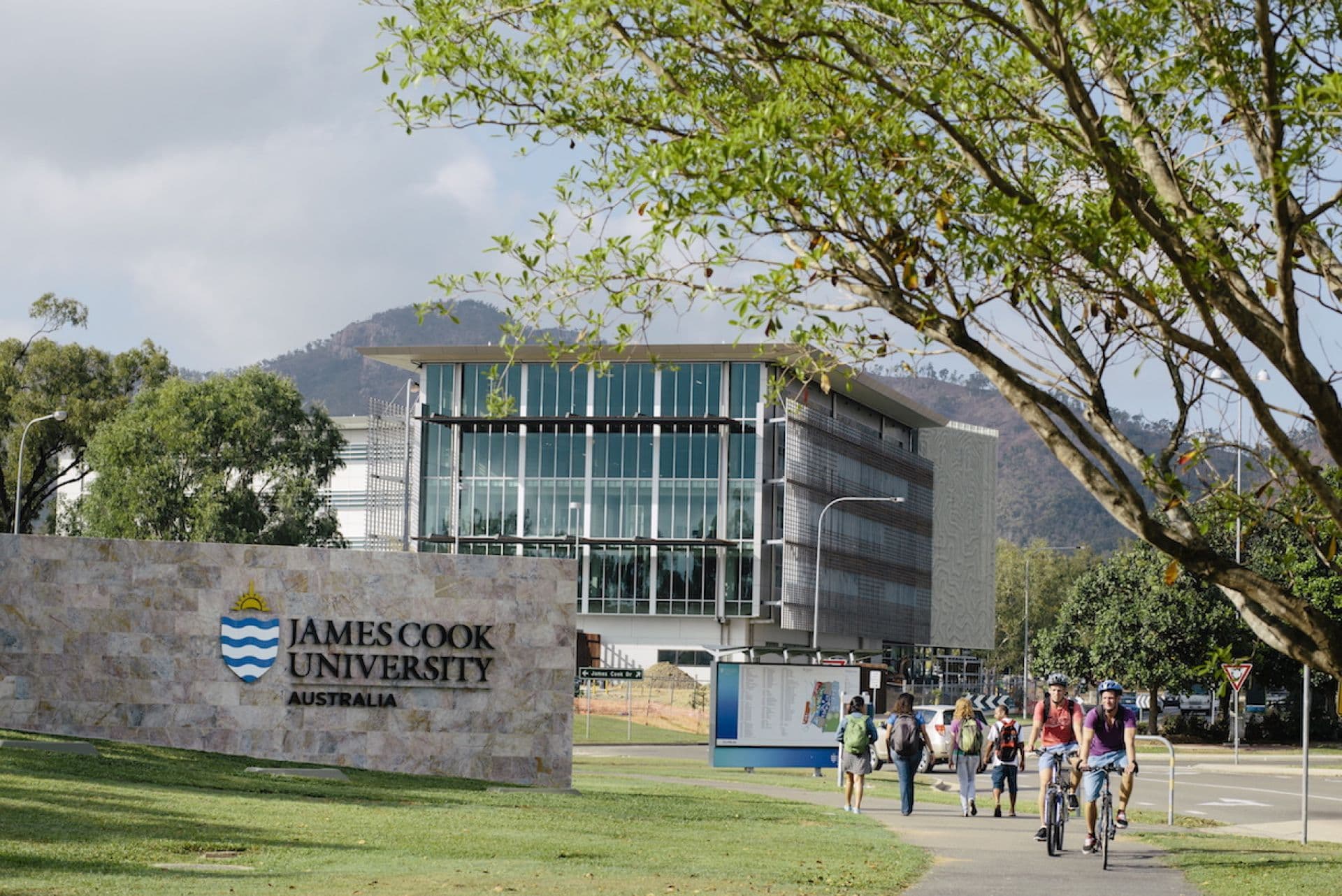
Advancing Heritage Protection Through Specialized Research at James Cook University
James Cook University in Townsville, Queensland, is offering a unique two-year research fellowship funded through the Getty Global Art and Sustainability Fellows Program. This role focuses on creating essential guidance documents and training materials to support the widespread adoption of the Climate Vulnerability Index, a tool designed to help heritage professionals assess and respond to climate risks at cultural and natural sites worldwide.
The position, based at the Bebegu Yumba campus, runs until June 2028 and targets early-career or established researchers with expertise in climate science or heritage conservation. Successful applicants will contribute directly to global efforts protecting irreplaceable sites from rising temperatures, extreme weather, and other climate impacts.
Understanding the Climate Vulnerability Index and Its Growing Importance
The Climate Vulnerability Index, often abbreviated as CVI, provides a structured, rapid way to evaluate how climate change threatens the core values of heritage places. Developed with input from experts including those at James Cook University, the tool combines scientific data on climate projections with community perspectives and the specific significance of each site.
Unlike broader risk assessments, the CVI emphasizes values-based analysis. It examines potential impacts on outstanding universal value for World Heritage properties while incorporating local knowledge and stakeholder input. This approach has already been tested at locations ranging from Scottish islands to African cultural landscapes and Australian marine areas.
Heritage managers increasingly rely on such tools because climate change represents one of the fastest-growing threats to both natural and cultural sites. Rising sea levels, intensified storms, changing rainfall patterns, and temperature shifts can damage structures, alter ecosystems, and disrupt traditional practices tied to these places.
James Cook University’s Leadership in Tropical and Heritage Research
Located in tropical North Queensland, James Cook University has long focused its research and teaching on issues unique to the tropics and beyond. The College of Science and Engineering supports programs in marine biology, environmental science, earth sciences, and related fields, often leveraging the region’s natural laboratories such as the Great Barrier Reef and surrounding rainforests.
In 2024, Professor Scott Heron from JCU received appointment as the UNESCO Chair on Climate Change Vulnerability of Natural and Cultural Heritage. This recognition underscores the university’s growing role in international efforts to safeguard heritage against climate threats. The new fellowship builds directly on this foundation by expanding training capacity for the CVI methodology.
JCU’s tropical location offers fellows access to diverse ecosystems and communities facing real-world climate challenges, providing practical context for developing training materials that work across different cultural and environmental settings.
The Getty Global Art and Sustainability Fellows Program Connection
The fellowship forms part of the Getty’s broader Global Art and Sustainability Fellows initiative. Launched to support early-career professionals and researchers, the six-year program funds projects that integrate sustainability and climate resilience into arts, culture, and heritage work.
Through partnerships with institutions like JCU, Getty enables the creation of practical resources that heritage practitioners can use immediately. Fellows contribute to a network of projects aimed at building capacity in climate science, vulnerability assessment, and community engagement across the sector.
This funding model highlights how philanthropic support from organizations like the Getty can accelerate academic and applied research in higher education settings, particularly in regions like Australia where climate impacts on heritage are already evident.
Key Responsibilities and Deliverables for the Fellow
The Getty Research Fellow will lead the development of comprehensive guidance documents and facilitator training packages tailored to the Climate Vulnerability Index. Core activities include translating complex climate science and vulnerability concepts into accessible materials suitable for heritage professionals from varied backgrounds.
Additional duties involve designing and running multi-disciplinary workshops, testing training approaches in preparation for actual CVI assessments, and ensuring materials reflect both global best practices and local community contexts. The role also requires producing peer-reviewed publications to share findings and strengthen the evidence base for CVI applications.
Successful delivery will help accelerate training for practitioners worldwide, enabling more sites to conduct timely vulnerability assessments and develop proactive conservation strategies.
Who Should Apply: Qualifications and Experience Needed
Ideal candidates hold a PhD or master’s degree in a relevant discipline such as climate science, heritage conservation, environmental management, or a closely related field. Demonstrated ability to create clear communication and training materials is essential, along with experience facilitating workshops that bring together diverse stakeholders.
Applicants should show a strong research track record, including publications in quality peer-reviewed journals, and the capacity to work both independently and collaboratively. Experience with climate data analysis, heritage governance, or community engagement in climate-related projects provides a significant advantage.
The role suits researchers passionate about bridging scientific knowledge with practical heritage management, particularly those interested in contributing to solutions that protect cultural and natural legacies for future generations.
Benefits of Joining JCU and Working in Townsville
James Cook University offers competitive academic salaries at Level A or B, ranging from approximately $80,371 to $133,110 per annum plus superannuation contributions up to 17 percent. Staff enjoy generous leave entitlements, flexible working options, salary packaging, and access to professional development opportunities.
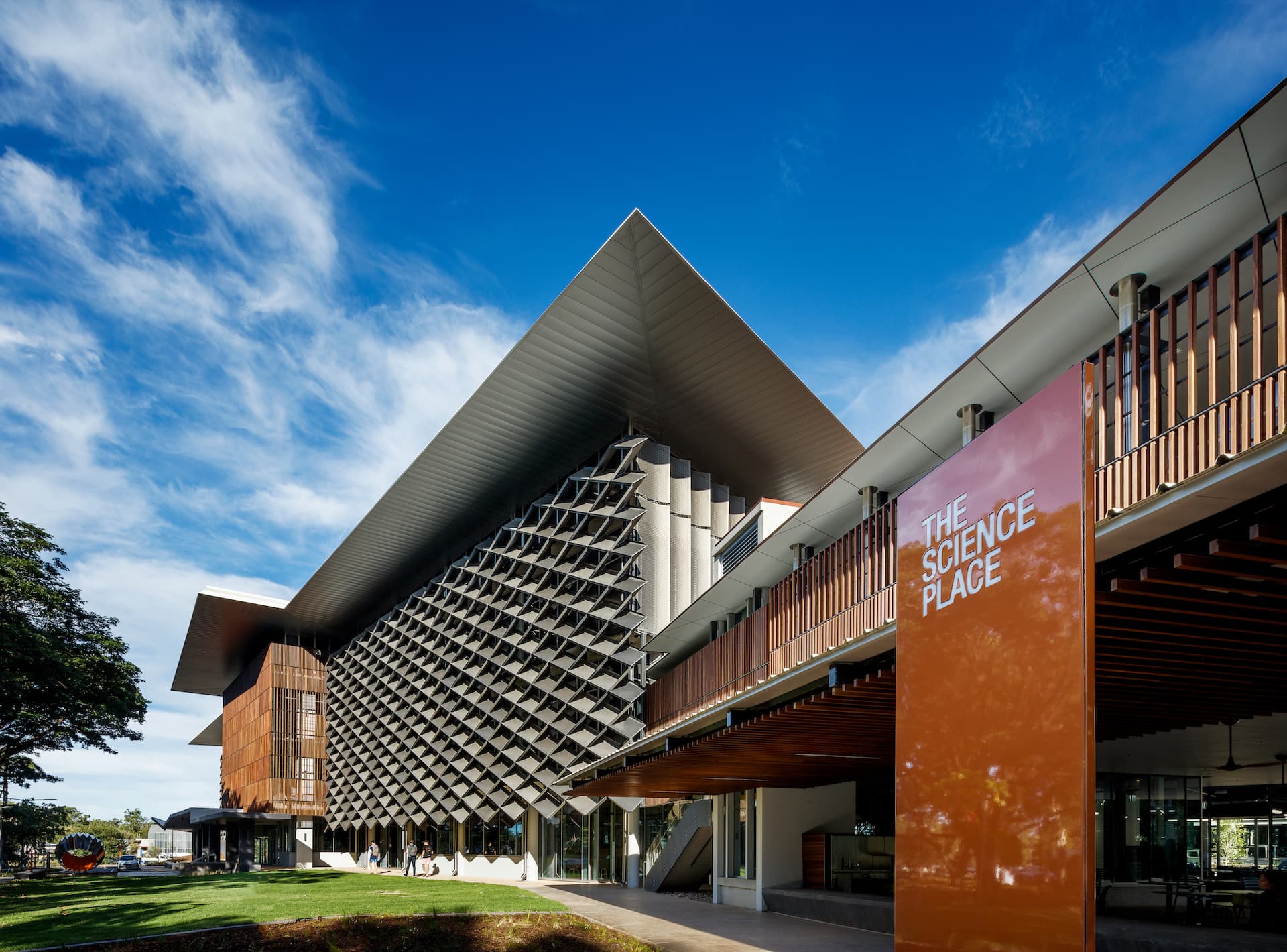
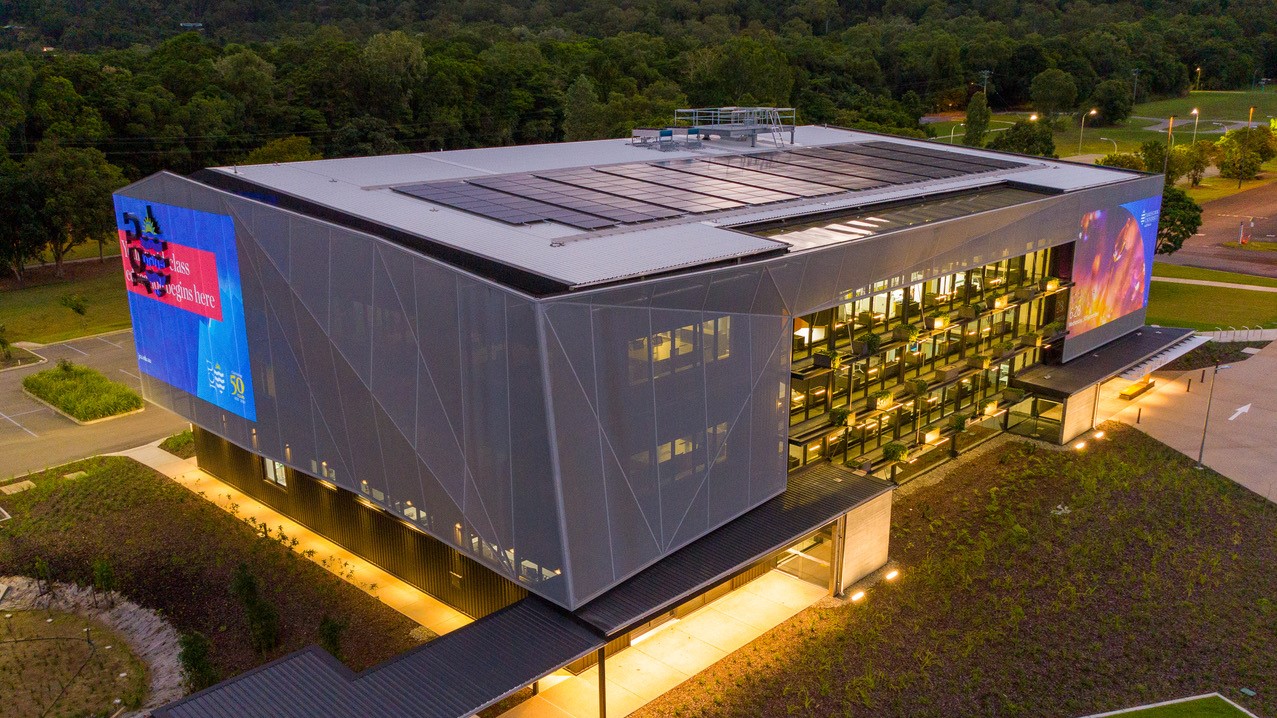
The Townsville campus provides a supportive environment with modern facilities, proximity to unique tropical research sites, and a culturally diverse community. Fellows will collaborate with leading experts including the UNESCO Chair holder and contribute to ongoing international projects.
Beyond the fixed-term contract, the experience offers valuable networks, publication opportunities, and direct impact on global heritage protection efforts, enhancing career prospects in academia, government, or international organizations.
Broader Impacts on Australian Higher Education and Global Heritage
This fellowship exemplifies how Australian universities are positioning themselves at the forefront of climate adaptation research. By hosting Getty-supported positions, institutions like JCU attract international funding and talent while addressing pressing regional and global challenges.
Outcomes from the role will support heritage sites across Australia and internationally, from coastal Indigenous cultural places to World Heritage areas facing marine heatwaves or changing fire regimes. Training materials developed here can be adapted for use in other tropical and subtropical regions facing similar threats.
The project also strengthens interdisciplinary connections between climate science, heritage studies, and community engagement within higher education curricula, potentially influencing future teaching and research programs at JCU and partner institutions.
Future Outlook for Climate Vulnerability Assessment Tools
As climate impacts intensify, demand for accessible, science-based assessment tools like the CVI will continue to grow. The training resources created through this fellowship will help standardize approaches, improve consistency across assessments, and empower more communities to participate in protecting their heritage.
Longer-term, expanded use of the CVI could inform policy decisions at local, national, and international levels, including World Heritage Committee processes and national adaptation plans. Australian expertise developed at JCU positions the country as a key contributor to these global conversations.
Researchers and practitioners interested in this evolving field can monitor updates from the CVI project and related UNESCO initiatives for emerging opportunities in training, application, and further tool refinement.
How to Apply and Next Steps
Applications for the Getty Research Fellow position close on 19 July 2026. Interested candidates should prepare a current resume, a cover letter addressing relevant experience, and a separate response to the selection criteria outlined in the position description.
Full details and the application portal are available through the James Cook University careers site. Prospective applicants are encouraged to review the role requirements carefully and consider how their background aligns with the goals of advancing climate resilience in heritage management.
This opportunity represents a timely chance for qualified researchers to contribute meaningfully to one of the most critical challenges facing cultural and natural heritage today.