
Unlocking Real-World Impact for Research Students
Higher degree by research programs across Australia are evolving to better prepare candidates for diverse career paths. A key development involves structured industry placements that allow PhD and research masters students to apply their expertise in practical settings. At James Cook University in Cairns, a dedicated position now exists to expand these opportunities through a flagship initiative focused on Indigenous and environmental research themes.
The role centres on facilitating meaningful connections between research candidates and partner organisations. This includes universities, Indigenous communities, government bodies, and industry groups. By streamlining placements, the position helps ensure that advanced research training delivers tangible benefits beyond traditional academic outputs.
Understanding Higher Degree by Research Pathways in Australia
Higher Degree by Research, commonly abbreviated as HDR, refers to advanced qualifications such as the Doctor of Philosophy (PhD) and Master of Philosophy or research masters degrees. These programs emphasise original investigation, critical analysis, and the production of new knowledge under the guidance of expert supervisors.
Unlike coursework-based postgraduate study, HDR candidates typically dedicate three to four years to independent inquiry. They develop deep expertise in their chosen field while contributing to broader scholarly conversations. Australian universities support these students through the Research Training Program, which provides fee offsets and stipends for eligible domestic candidates.
Recent policy shifts have placed greater emphasis on bridging academic research with external sectors. This approach recognises that many HDR graduates pursue careers outside universities, in areas such as policy development, environmental management, cultural heritage, and community organisations.
The Growing Emphasis on Industry Engagement for Researchers
Australian higher education providers increasingly incorporate structured placements into HDR training. These experiences, often lasting three months or more, allow candidates to collaborate on projects identified by external partners. Participants gain insights into organisational workflows, stakeholder management, and the translation of research findings into actionable outcomes.
Government incentives support this direction. The Research Training Program now applies additional weighting in funding formulas for universities when eligible research doctorates complete approved industry internships. This mechanism encourages institutions to expand placement options and strengthens links between research training and innovation needs.
Programs of this nature benefit multiple parties. Students enhance their employability and professional networks. Partner organisations access fresh perspectives and specialised skills. Universities demonstrate impact and relevance in their research training offerings.
James Cook University and Its Commitment to Tropical Research
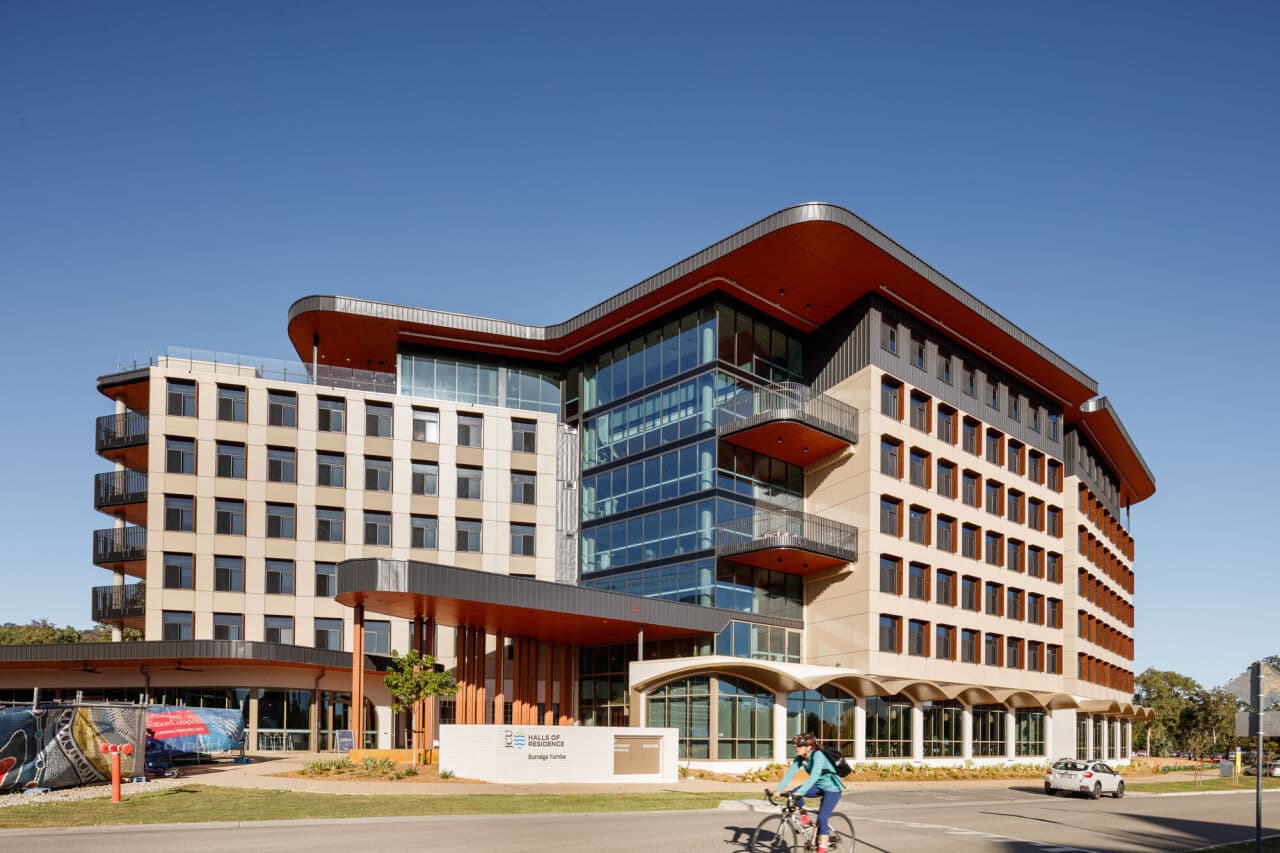
James Cook University stands as a leading institution for studies focused on tropical environments, marine ecosystems, and Indigenous knowledges. Its campuses in Cairns and Townsville provide unique access to the Great Barrier Reef, rainforests, and diverse cultural landscapes.
The university's Graduate Research School oversees HDR candidatures, offering guidance on admissions, scholarships, professional development workshops, and candidature management. Candidates benefit from a supportive framework that encourages both academic excellence and broader engagement.
Within this context, the ARC Centre of Excellence for Indigenous and Environmental Histories and Futures plays a central role. This national initiative brings together researchers from multiple university nodes to explore long-term environmental changes and Indigenous connections to land and sea country. Work spans historical analysis, contemporary management practices, and forward-looking strategies for sustainability.
Details of the Program Coordinator Position
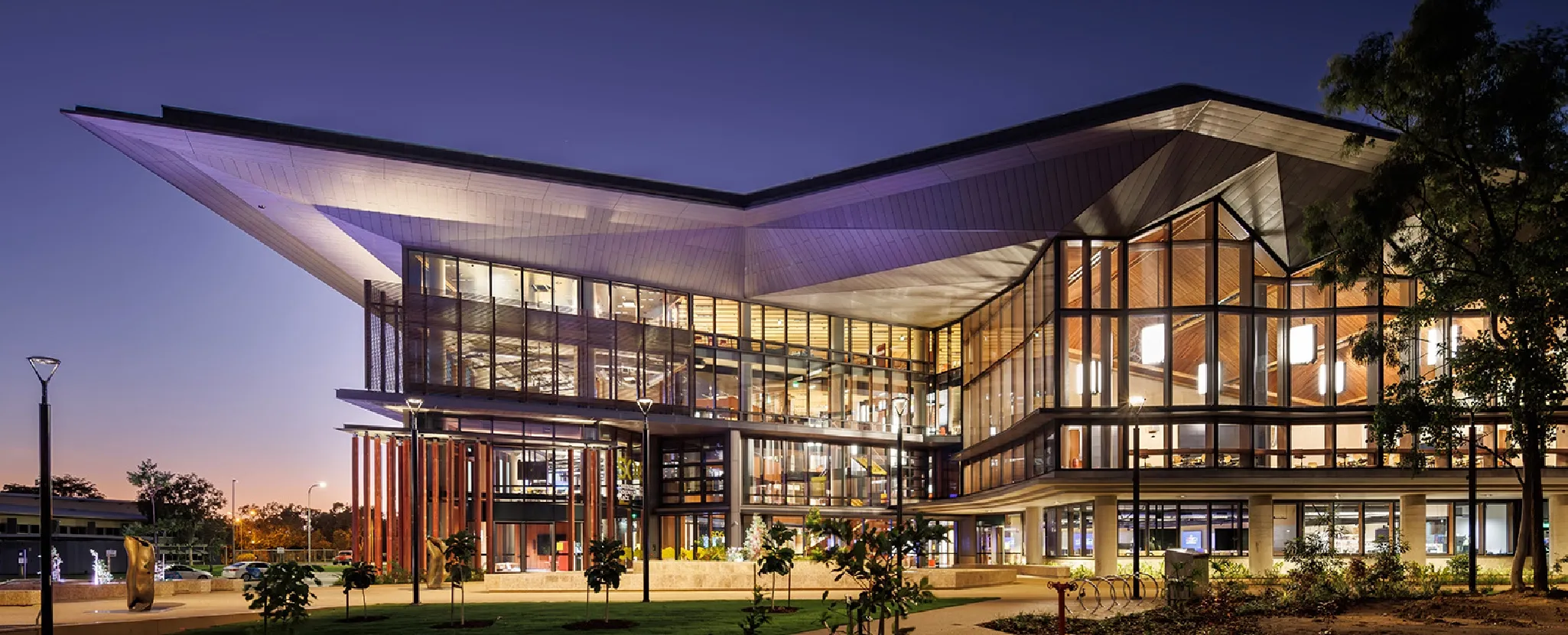
The advertised role operates within the Research Division at JCU's Cairns campus. It is a full-time, fixed-term appointment running until June 2031, classified at Higher Education Worker Level 6 with a salary range of approximately $90,821 to $98,369 plus 17 percent superannuation.
Core responsibilities include coordinating internship placements across the centre's network of eight university nodes and external partners. The coordinator manages placement agreements, supports financial processes, and ensures clear communication among students, supervisors, and host organisations.
Additional duties involve building relationships with Indigenous partner groups and other stakeholders, monitoring program outcomes through data collection, and implementing improvements based on feedback. The position requires strong organisational abilities, stakeholder engagement skills, and experience in program coordination, preferably within university or community settings.
Desirable attributes include familiarity with culturally appropriate engagement practices involving Aboriginal and Torres Strait Islander organisations. This aligns closely with the centre's Indigenous-led research priorities.
How HDR Internships Operate in Practice
Successful placements begin with identifying suitable projects that align with both the candidate's research goals and the host organisation's needs. Agreements outline expectations, duration, intellectual property considerations, and support arrangements.
Students typically spend time embedded with the partner, contributing to real initiatives while maintaining connection with their academic supervisors. Remote or hybrid options may also be available depending on the project.
At JCU, dedicated subjects such as RD7005 support structured internship activities. Candidates receive guidance through the Graduate Research School on processes, eligibility, and integration with their overall candidature timeline.
Similar initiatives operate at other Australian institutions, including the University of Southern Queensland, University of New England, and Queensland University of Technology. These programs demonstrate growing sector-wide commitment to diversified research training experiences.
Benefits for Students, Partners, and the Broader Sector
For HDR candidates, internships provide exposure to non-academic environments, helping clarify career directions. Participants often report enhanced confidence in applying research skills, improved communication abilities, and expanded professional contacts.
Industry and community partners gain access to emerging expertise in areas such as environmental monitoring, cultural heritage assessment, and policy analysis. Collaborations can lead to ongoing relationships and knowledge exchange.
Universities benefit through strengthened industry linkages, improved graduate outcomes, and alignment with national priorities for research training. The additional funding weighting available under the Research Training Program further supports institutional investment in these activities.
- Development of transferable skills including project management and stakeholder negotiation
- Opportunities to test research ideas in applied contexts
- Enhanced CVs that stand out in competitive job markets
- Contribution to meaningful projects with real-world implications
Challenges in Delivering Effective Internship Programs
Coordinating placements across multiple institutions and partners presents logistical considerations. These include aligning timelines, managing expectations, and ensuring appropriate support structures for participants.
Cultural sensitivity remains paramount, particularly when working with Indigenous organisations. Coordinators must facilitate respectful engagement that honours community protocols and knowledge systems.
Data tracking and continuous improvement require robust systems. Feedback loops help refine processes and demonstrate program value to stakeholders and funding bodies.
Successful programs address these factors through dedicated coordination roles, clear guidelines, and ongoing dialogue among all parties involved.
Future Outlook for Research Training and Industry Collaboration
As Australia continues to prioritise research translation and workforce development, roles like the Program Coordinator for HDR Internships will grow in importance. They support a more integrated approach to advanced training that values both scholarly depth and practical application.
Centres such as the ARC Centre of Excellence for Indigenous and Environmental Histories and Futures exemplify how targeted initiatives can advance national goals around environmental stewardship and Indigenous self-determination in research.
Prospective applicants and HDR candidates interested in similar opportunities can explore current vacancies through university career portals and sector-specific job boards focused on higher education administration and research support positions.
Taking the Next Step in Your Higher Education Career
This position offers a chance to contribute directly to innovative research training at one of Australia's premier tropical universities. Professionals with experience in program coordination, stakeholder relations, and a passion for student success are well positioned to apply.
Applications close on 30 June 2026. Interested candidates should prepare a current resume and cover letter highlighting relevant experience before submitting through the official JCU careers platform.
For further details on the role or the broader HDR landscape at James Cook University, prospective applicants may contact the nominated staff member listed in the position advertisement.