Opportunities in Indigenous Student Support at Australian Universities
James Cook University in Townsville is offering a continuing full-time position for an Indigenous Academic Support Advisor. This role sits within the Indigenous Education and Research Centre and focuses on helping Aboriginal and Torres Strait Islander students build the skills and confidence needed for successful university study. The position is identified specifically for Indigenous applicants and carries a salary range of $111,960 to $128,567 plus superannuation and generous leave entitlements.
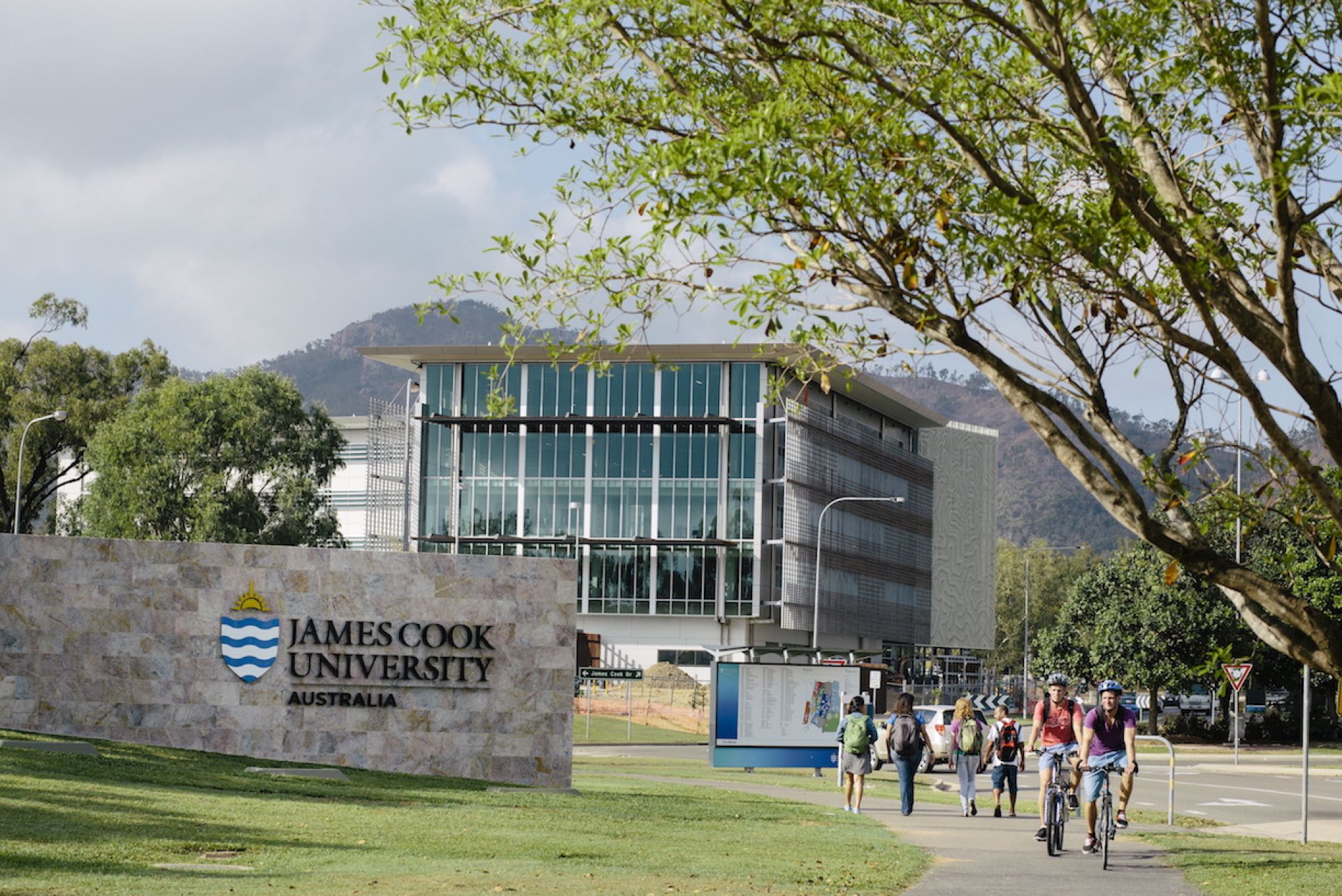
Located at the Bebegu Yumba campus in Townsville, the advisor works directly with students who are transitioning into higher education or facing academic challenges. The emphasis lies on early intervention, personalised learning plans, and coordinated tutoring support rather than general administration duties.
Understanding the Role in Context
The Indigenous Academic Support Advisor collaborates closely with Student Support Advisors, academic staff, and tutors. Daily work involves assessing individual learning needs, developing strategies for academic independence, and monitoring progress through structured plans. Workshops on study skills, time management, and assessment expectations form part of the support offered.
Candidates need proven experience in academic skill development, program coordination, and working with diverse student groups including first-in-family and Indigenous learners. The position requires strong organisational abilities to manage multiple cases while maintaining cultural sensitivity and respect for community connections.
James Cook University’s Commitment to Indigenous Education
James Cook University serves the unique needs of Northern Australia and the tropics. Its Indigenous Education and Research Centre leads efforts to integrate Aboriginal and Torres Strait Islander priorities across education, research, and engagement. The centre delivers scholarships, cultural support, and academic programs designed to improve access, participation, and success rates.
The university’s Indigenous Education Strategy 2025–2030 guides these activities, aiming to increase Indigenous student enrolments, grow Indigenous-led research, and strengthen pathways to completion. Support services include peer-assisted learning programs and targeted resources that help students navigate university life while maintaining strong cultural identities.
Broader Landscape of Indigenous Participation in Australian Higher Education
Aboriginal and Torres Strait Islander people represent about 3.8 percent of the Australian population yet make up roughly 2 percent of domestic university students. Enrolments have grown steadily over the past decade, reflecting improved Year 12 completion rates in many communities. However, retention and completion figures remain lower than for non-Indigenous students, highlighting ongoing equity challenges.
National targets under Closing the Gap include raising the proportion of Indigenous people aged 25 to 34 with a tertiary qualification to 70 percent by 2031. Current figures sit around 42 percent, showing both progress and the scale of work still required across the sector.
How Academic Support Roles Address Retention Challenges
Specialised advisors help bridge gaps between school or community experiences and university expectations. They assist students in understanding course requirements, managing assessments, and developing independent learning habits. Early identification of academic risk allows timely allocation of tutors and personalised interventions that improve engagement and outcomes.
These positions also support the recruitment and training of tutors who understand the specific needs of Indigenous learners. Coordinated efforts reduce isolation, build peer networks, and create environments where students feel culturally safe and academically prepared.
Skills and Qualities Sought in Ideal Candidates
Successful applicants demonstrate experience supporting student learning independence and the ability to evaluate needs accurately. They coordinate tutoring programs effectively and maintain detailed records of student progress. Cultural understanding, combined with professional expertise in education or student services, enables advisors to build trust with students and families.
The role rewards individuals who thrive in collaborative settings and can balance structured planning with flexible, student-centred responses. Familiarity with higher education systems in regional Australia adds further value given JCU’s focus on tropical and remote communities.
Benefits and Workplace Environment at JCU
Staff enjoy a 36.25-hour week, five weeks of annual leave plus loading, and up to 17 percent employer superannuation contributions. Additional provisions include cultural leave, flexible working arrangements, salary packaging, and study assistance. On-campus facilities feature childcare, medical services, a gym, and cafes, supporting a balanced professional and personal life.
The university values authenticity, excellence, integrity, and respect. These principles shape a workplace that celebrates diversity and prioritises the wellbeing of staff and students alike.
Impact on Students, Families, and Communities
Effective academic support contributes to higher retention, improved grades, and increased graduation rates among Indigenous students. Graduates often return to their communities as role models, professionals, and leaders, creating positive ripple effects across generations.
Families gain reassurance knowing dedicated advisors are available to guide their loved ones through the transition to university. Events such as awards nights and cultural programs further strengthen connections between the institution and Indigenous communities.
Future Directions and Strategic Goals
JCU continues to expand its Indigenous student success initiatives in line with national equity objectives. The current strategy emphasises greater participation in higher degree research, increased numbers of Indigenous academic staff, and deeper integration of Indigenous knowledges into curricula. Roles such as the Academic Support Advisor form a vital part of this forward-looking approach.
By investing in personalised support structures, universities across Australia can move closer to closing participation and achievement gaps while enriching campus life with diverse perspectives and experiences.
Applying for the Position
Applications close on 7 June 2026. Interested candidates should prepare a current resume and a cover letter that outlines relevant experience in student learning support and motivation for contributing to Indigenous student success at JCU. Reviewing the Indigenous Education and Research Centre resources and the university’s Indigenous Education Strategy provides useful preparation.
Enquiries can be directed to the contact listed on the official position advertisement. This is an opportunity to join a dedicated team making a tangible difference in higher education equity.