
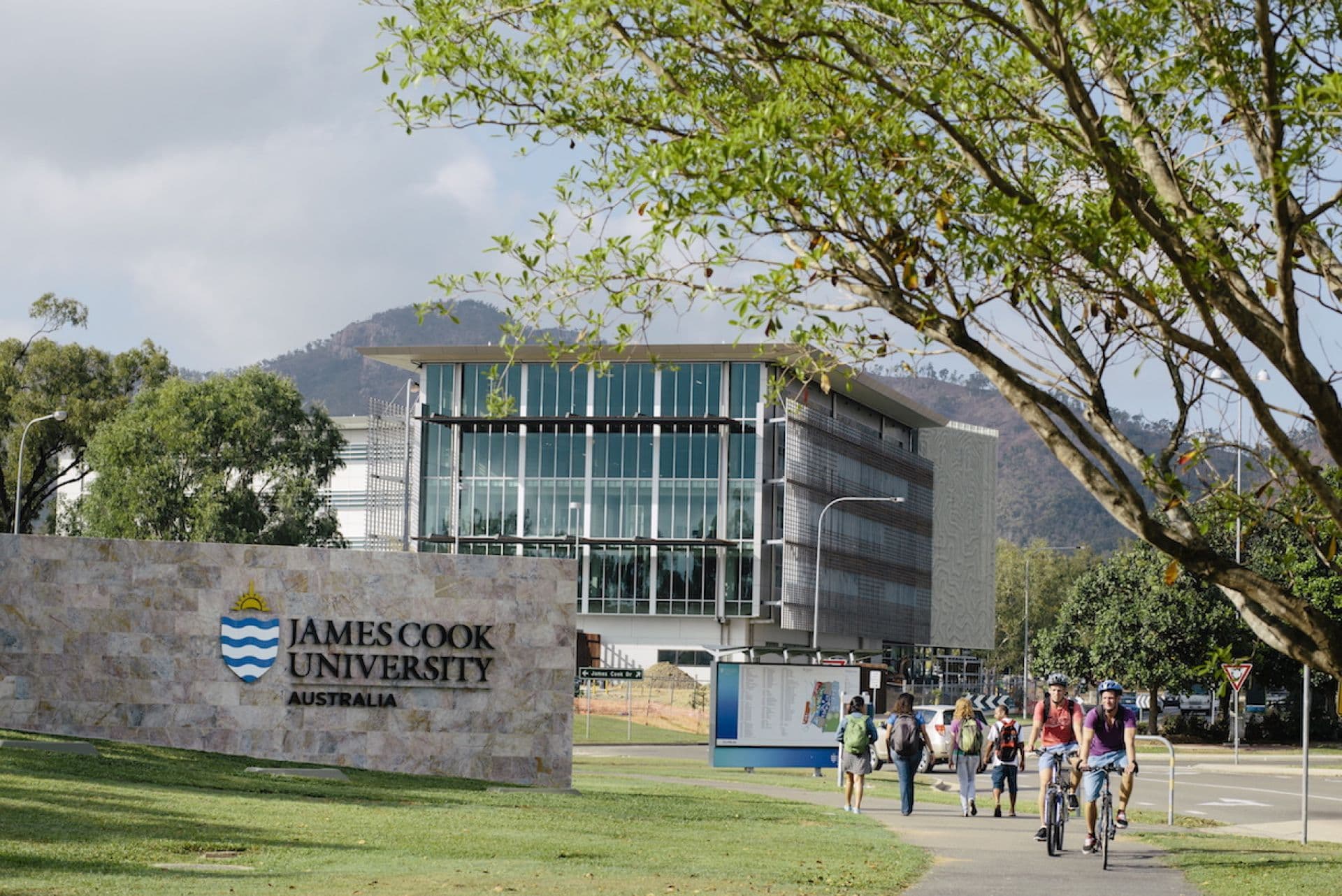
James Cook University Strengthens Rural Healthcare Workforce Through Targeted Nursing Leadership in Emerald
James Cook University continues to lead in preparing nurses for the unique demands of regional Australia with the appointment of a Senior Lecturer focused on remote and rural health. Based at the Emerald campus in Central Queensland, this role supports the university's distributed Bachelor of Nursing Science program and directly addresses longstanding gaps in healthcare delivery across vast rural landscapes. The position underscores JCU's commitment to building a sustainable workforce capable of delivering high-quality care where it is needed most.
Understanding the Unique Context of Rural and Remote Nursing in Australia
Rural and remote nursing involves providing comprehensive care in areas with limited access to specialist services, often requiring practitioners to manage a broad scope of practice. In Australia, these regions face distinct challenges including geographic isolation, variable infrastructure, and higher rates of chronic conditions. Nurses frequently serve as the primary point of contact for communities, handling everything from emergency response to ongoing management of conditions like diabetes and cardiovascular disease. This expanded role demands advanced clinical skills, cultural competence, and adaptability that urban-focused training programs may not fully develop.
Recent national data highlight the scale of the issue. Projections indicate a shortfall exceeding 70,000 full-time equivalent nurses by 2035, with rural and remote areas experiencing the most acute impacts due to maldistribution of the workforce. In very remote communities, for example, the density of health professionals remains significantly lower than in major cities, contributing to longer wait times and reduced service availability. These disparities affect not only patient outcomes but also the sustainability of local health services.
JCU's Established Leadership in Regional Health Education
James Cook University has long prioritized education tailored to northern Australia's tropical, rural, and remote contexts. Through its College of Healthcare Sciences and the Central Queensland Centre for Rural and Remote Health (CQCRRH), the university operates as part of a national network of University Departments of Rural Health. This network focuses on improving health outcomes and workforce capacity in regional areas by integrating teaching, research, and community engagement.
The Emerald campus exemplifies this approach, offering students the chance to live and learn in an authentic rural environment. Facilities support simulation-based learning and clinical placements that expose future nurses to the realities of practice outside metropolitan centres. Partnerships with local health services ensure training aligns with community needs, fostering graduates who are both clinically competent and committed to regional careers.
The Emerald Campus: A Hub for Practical Rural Nursing Training
Located in the heart of Central Queensland, Emerald provides an ideal setting for nursing education with its mix of agricultural communities, mining operations, and diverse populations. The campus features state-of-the-art simulation labs and dedicated spaces for interprofessional learning, allowing nursing students to collaborate with allied health and medical trainees from the outset.
Students enrolled in the Bachelor of Nursing Science at Emerald benefit from a curriculum that emphasizes rural and remote healthcare needs. From the first year, clinical placements are integrated, often in partnership with Queensland Health facilities. This hands-on exposure helps build confidence in managing the broader responsibilities typical of remote area nurses, such as advanced assessment, telehealth coordination, and culturally safe care for Aboriginal and Torres Strait Islander communities.
Recent expansions, including a new health centre, have further enhanced capacity for student placements across nursing, allied health, and other disciplines. These developments position Emerald as a growing centre for workforce development in the Central Highlands region.
Core Responsibilities of the Senior Lecturer Role
The Senior Lecturer in Nursing, Remote and Rural Health will provide scholarly leadership across teaching, research, and engagement activities. Key duties include delivering high-quality education in the distributed nursing program, supporting student recruitment and progression, and strengthening clinical placement pathways with regional health providers.
Research contributions will focus on rural and remote health workforce development, nursing education innovations, and strategies to improve service delivery. The role also involves mentoring emerging academics and building partnerships with schools, community organisations, and industry stakeholders to enhance the pipeline of future nurses.
By fostering interprofessional education and service-learning initiatives, the position helps prepare graduates for collaborative practice models that are essential in resource-limited settings. This holistic approach ensures that educational efforts translate directly into improved community health outcomes.
Ideal Candidate Profile and Professional Requirements
Successful applicants will hold current nursing registration in Australia along with a doctoral qualification or substantial progress toward one. Prior experience in nursing education, particularly within rural or remote contexts, is highly valued, as is a demonstrated understanding of the specific workforce challenges and opportunities in these areas.
Candidates should bring a track record of supporting student engagement and clinical placements, alongside a developing or established research profile in nursing, education, or rural health. Strong interpersonal skills are essential for collaborating with diverse stakeholders and mentoring both students and junior colleagues.
The role is offered at Academic Level B or C, reflecting the seniority and leadership expectations. It is a full-time, fixed-term appointment until December 2026, with potential for extension based on funding and organisational needs. Flexible work options and comprehensive benefits, including leave loading and superannuation, support work-life balance in a regional setting.
Addressing Broader Workforce Challenges Through Education
Investing in targeted academic positions like this one represents a strategic response to persistent rural health inequities. By embedding experienced educators in regional campuses, universities can model the very careers they promote, demonstrating that fulfilling professional lives are possible outside major cities.
Evidence from similar initiatives shows that exposure to rural practice during training significantly increases the likelihood of graduates choosing regional careers. JCU's distributed model, with multiple campuses including Emerald, Mount Isa, and Mackay, creates multiple entry points for students from rural backgrounds who may prefer to study closer to home.
National strategies, such as the Stronger Rural Health Strategy, aim to add thousands of additional doctors and nurses to rural areas by 2028. University-led programs complement these efforts by building the educational infrastructure needed for long-term sustainability.
Benefits of Regional Academic Roles for Professionals and Communities
Working as a Senior Lecturer in Emerald offers a distinctive lifestyle advantage. The town provides affordable housing, quality schools, and proximity to natural attractions, creating an environment where professionals can thrive personally while making a tangible difference. The role allows direct observation of how educational interventions improve local health services, providing a strong sense of purpose.
For communities, the presence of dedicated nursing academics helps sustain placement programs that keep students connected to the region. This pipeline effect supports retention, as graduates familiar with local systems and cultures are more likely to remain. It also contributes to knowledge generation through research that addresses region-specific issues, such as chronic disease management in agricultural populations or emergency response in remote mining areas.
Future Directions for Rural Nursing Education and Workforce Development
Looking ahead, the integration of digital health technologies, expanded telehealth capabilities, and innovative models of care will shape rural nursing practice. Academic leaders will play a pivotal role in preparing students for these evolutions while advocating for supportive policy environments.
JCU's ongoing investments in facilities and personnel signal a long-term commitment to these goals. As the university refines its programs in response to emerging needs, roles like the Senior Lecturer position ensure that teaching remains current, research is impactful, and partnerships deliver mutual benefits.
Broader sector trends point toward greater emphasis on multidisciplinary teams, cultural safety training, and flexible career pathways that accommodate the realities of rural life. By championing these elements, institutions like JCU help close the gap between urban and regional healthcare access.
Engaging with Opportunities in Australian Higher Education
Academic positions focused on rural and remote health represent meaningful career pathways for experienced nurses seeking to combine clinical expertise with educational leadership. They offer the chance to influence the next generation of practitioners while contributing to research that informs national policy.
Prospective applicants are encouraged to review the full position details and consider how their background aligns with the university's mission. Early engagement with regional health networks can also strengthen applications by demonstrating genuine commitment to community-focused practice.