
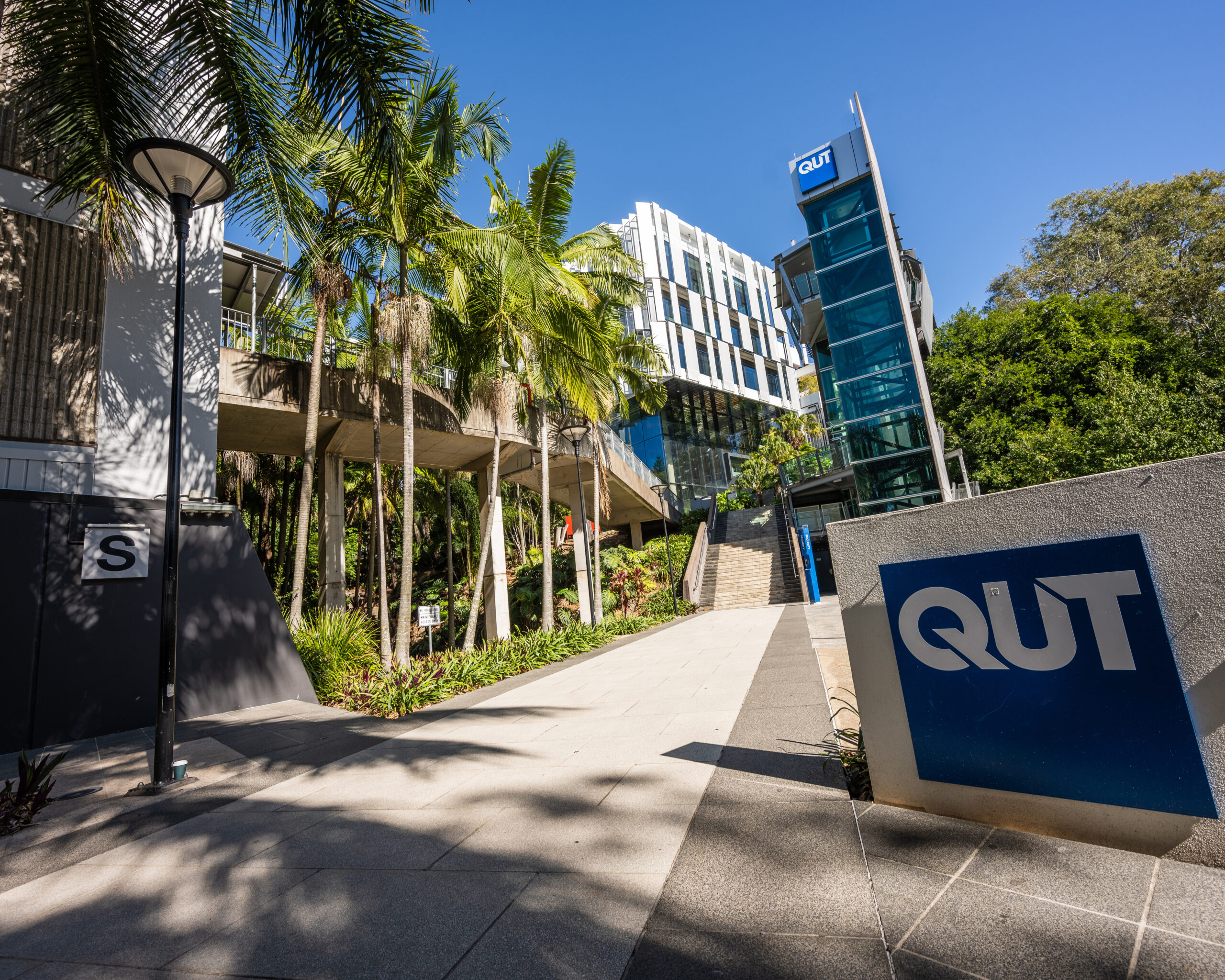
The Learning Designer role at QUT is open for applications right now. Strong candidates treat these openings like any other competitive position and move fast with a targeted submission.
Learning design means the deliberate planning of learning experiences. It combines learning theories, needs analysis, content structure, assessment and delivery methods. The work matters most in digital environments where engagement does not happen by accident.
QUT Online staff describe the day-to-day reality clearly. You collaborate with subject matter experts to map content. You design units of learning and build assessments. You keep the learner at the centre while choosing the right digital tools for delivery. Interpersonal skills rank high because you constantly communicate priorities across teams. Critical thinking and problem solving fill the rest of the time.
Many people transition into these roles from classroom teaching. Planning lessons, creating assessments and supporting learners transfer directly. Non-teachers succeed too when they bring strong project management or content development backgrounds.

Here is how you prepare an application that gets noticed.
- Read the full position description twice. Pull out every mention of collaboration, digital tools, inclusive practice and learner outcomes. Mirror that language in your resume and cover letter without copying it verbatim.
- Collect three concrete examples of past work. For each one, note the starting point, the design choices you made, the tools used and the measurable result for learners. One example might show how you shifted a face-to-face workshop to an online module that improved completion rates.
- Write a short cover letter that focuses on the first ninety days. State what you would deliver in the initial period and name the kinds of stakeholders you expect to work with. Skip the generic praise for the university.
- Update your portfolio or LinkedIn with recent projects. Include before-and-after snapshots or short descriptions of design decisions. Recruiters scan these quickly.
- Submit on time. University processes move slowly once applications close, so an early, complete file keeps you in the first review round.
Common habits waste time. A generic resume that lists every teaching duty from the last decade gets skipped. Committees want evidence you understand adult learners in digital settings. Another mistake is waiting for the perfect role. Apply when the core skills line up and use the interview to clarify gaps.
The field continues to grow because online and blended options expand access. People in regional areas or with work and family commitments benefit when design is done well. Future roles will still need the same core abilities even as new tools appear. Designers who review technology critically and keep design inclusive stay relevant.

If you want deeper background on the career path, read QUT’s own overview of how educators move into learning design. It covers the skills that matter and one structured course option that builds both theory and practical portfolio pieces.
Apply directly through the listed link on Academic Jobs. The posting gives the exact requirements and closing date. Tailor everything to those details and you give yourself the best shot.
This week, pick one learning project you led and write a single paragraph that describes the learner need, your design approach and the outcome. Add it to your resume or portfolio before you submit.



Discussion
Be the first to comment on this article!
You’ll be asked to sign in before your comment is posted.