
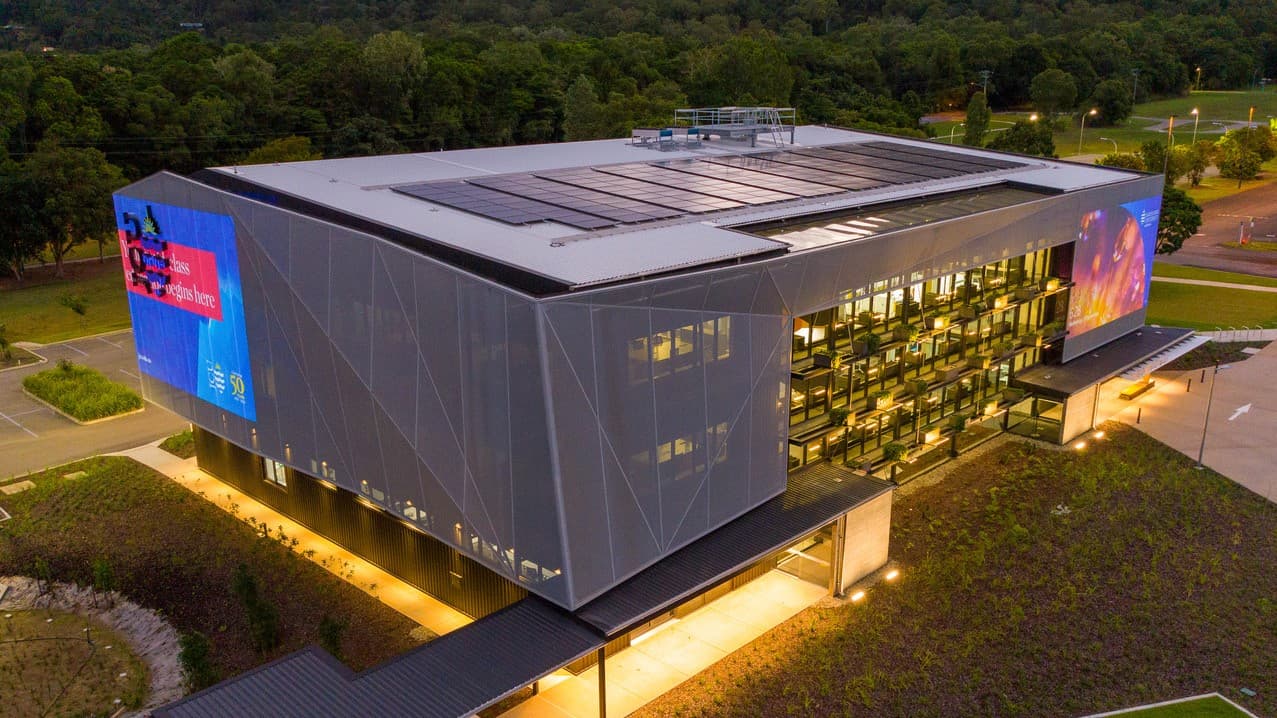
James Cook University Expands Leadership in Library Services
James Cook University continues to strengthen its commitment to exceptional student and staff experiences through a new leadership role focused on library environments. The position of Manager, Library Experience offers a unique chance to shape welcoming, inclusive spaces across the Townsville and Cairns campuses. This opportunity aligns with broader efforts in Australian higher education to transform libraries into vibrant hubs for learning, collaboration, and community building.
Understanding the Evolving Role of University Libraries
University libraries today extend far beyond traditional book collections and quiet study areas. They serve as dynamic centers that support academic success, foster belonging, and adapt to technological changes. In Australia, these institutions play a vital part in student retention and engagement, especially in regional settings like North Queensland. Leaders in this space focus on client-centered services, innovative programs, and accessible facilities that meet the diverse needs of a modern student body.
The emphasis on experience reflects shifts in how institutions view libraries. Rather than static repositories, they function as active participants in university life. This includes managing inquiries efficiently, coordinating events that activate physical spaces, and building partnerships across faculties and with external communities. Such approaches help address challenges like isolation in regional areas and the demand for flexible, technology-supported learning environments.
Key Responsibilities of the Library Experience Manager
The role centers on leading a team dedicated to high-quality service delivery. Core duties involve overseeing inquiry management systems to ensure responsive support for students and staff. It also includes developing and evaluating engagement initiatives that bring energy to library spaces through targeted events and programs.
Another major focus is creating and maintaining safe, accessible, and inviting physical environments. This encompasses everything from layout optimizations for collaboration to ensuring facilities support both individual study and group work. The position requires strong resource and facilities management to deliver programs sustainably while adhering to institutional policies.
Relationship building forms a cornerstone of success. The manager works closely with students, academic staff, university partners, and the wider community to keep services relevant and valued. Regular consultation helps identify emerging needs and refine offerings accordingly.
Required Qualifications and Skills for Success
Candidates need qualifications in library and information science or a closely related field, aligned with higher education professional standards. Eligibility for associate membership with the Australian Library and Information Association provides a strong foundation, demonstrating professional commitment and ongoing development.
Extensive hands-on experience in higher education library settings is essential. This includes proven ability to design, deliver, promote, and assess client-focused services, programs, and spaces. Leadership experience stands out, with a track record of guiding teams toward strong performance outcomes in values-driven cultures.
Organizational prowess, problem-solving abilities, and sound judgment under pressure are critical. High-level communication skills enable effective consultation, negotiation, and relationship development at all university levels. Advanced written skills support clear reporting and presentations that convey complex information professionally.
Travel between campuses may be necessary, highlighting the multi-site nature of the role in a regional university context.
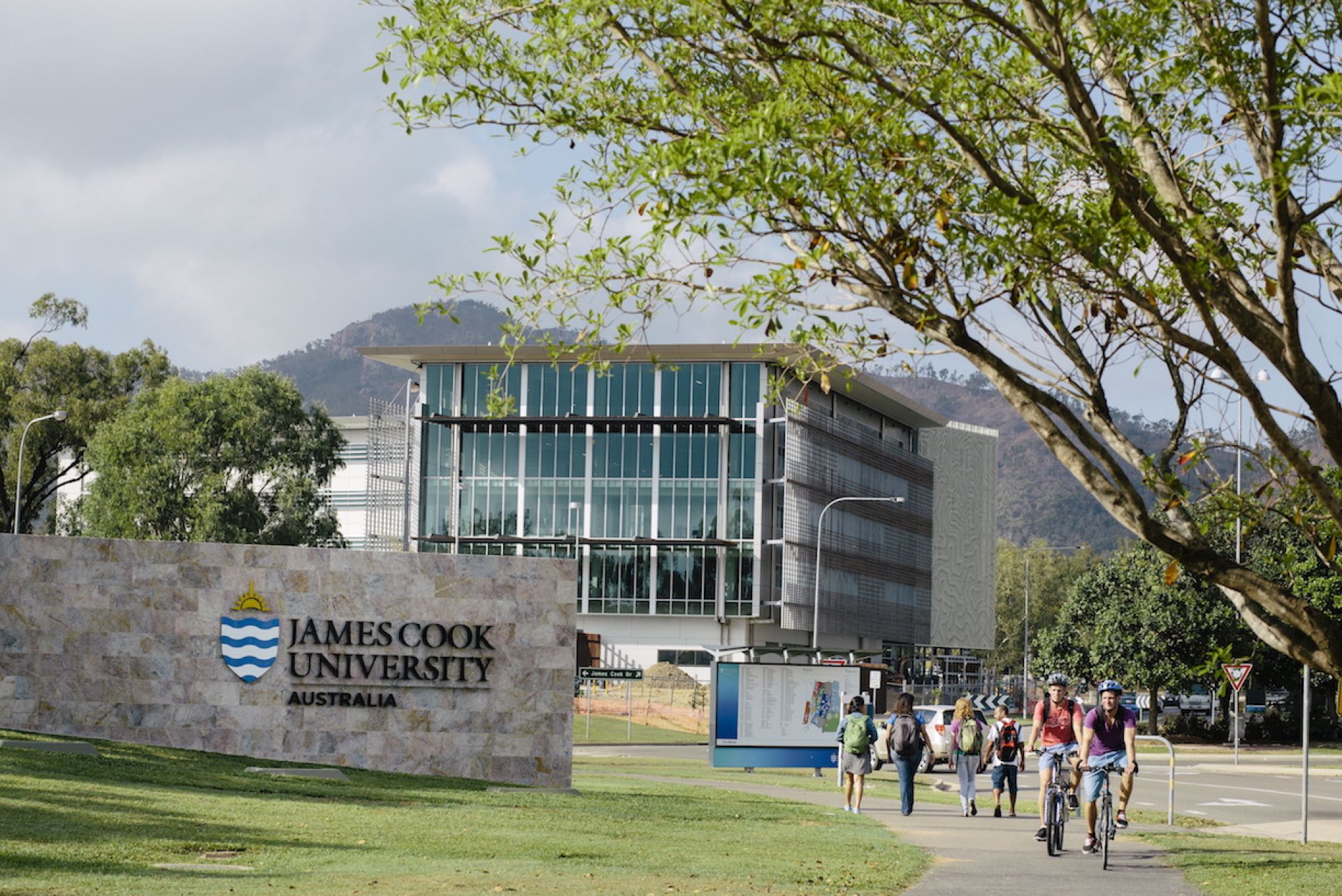
Current Trends Shaping Academic Libraries in Australia
Australian university libraries are embracing several key developments. Student well-being and sense of belonging receive increased attention, with spaces designed to reduce isolation and encourage connection. Inclusive practices extend to collections, programming, and accessibility measures that reflect diverse user populations.
Data management and analytics play growing roles in decision-making. Libraries leverage insights to optimize resources, track usage patterns, and demonstrate impact on learning outcomes. Partnerships with research support services help address needs around open access and responsible data handling.
Technological integration continues to evolve, incorporating tools that enhance discovery and personalized support. At the same time, physical spaces remain important for hands-on collaboration and community activation through events and initiatives.
Regional institutions like those in Queensland face unique considerations, including serving dispersed student populations and supporting research with tropical and environmental focuses.
How This Opportunity Addresses Strategic Priorities
The Manager, Library Experience position directly supports institutional goals around student success and community connection. By prioritizing inclusive environments, the role helps create genuine senses of belonging that contribute to retention and satisfaction.
Alignment with university strategy ensures programs and services evolve alongside changing academic demands. This proactive approach positions libraries as essential partners in education and research excellence.
The emphasis on high-performing, values-driven workplace culture benefits both the team and the broader institution. Effective leadership in this area sets standards for service quality and innovation across the library system.
Benefits and Lifestyle Advantages of the Role
Working at James Cook University offers competitive compensation at the HEWL 8 level, with salary ranging from approximately $112,000 to $129,000 plus generous superannuation contributions up to 17 percent, leave loading, and additional employee benefits.
The tropical North Queensland setting provides a distinctive professional and personal environment. Campuses in Townsville and Cairns combine modern facilities with access to natural wonders, supporting a balanced lifestyle for those who value outdoor activities alongside their careers.
Opportunities for professional growth abound in a research-intensive university with strong community ties. The role allows meaningful impact on student experiences in a setting that values local and global perspectives.
Preparing a Strong Application
Successful applicants typically tailor their materials to highlight direct relevance. A current resume should detail experience in library services, team leadership, and program development within higher education contexts.
The cover letter provides space to connect personal achievements with specific role requirements. Emphasize examples of client-focused initiatives, stakeholder engagement, and contributions to inclusive environments. Clear articulation of how skills will drive success in the position strengthens the application.
Applications close on June 19, 2026, with submissions handled through the university careers portal. Early preparation allows time for thoughtful responses that showcase fit and enthusiasm.

Broader Career Pathways in Higher Education Libraries
Roles like this represent important steps in library leadership careers. Australian higher education offers various pathways, from specialized positions in research support or digital services to senior management overseeing entire library operations.
Professionals often progress by building expertise in areas such as engagement programming, facilities management, or cross-campus coordination. Continuous professional development through associations and targeted training supports advancement.
Regional universities provide distinctive experiences that can distinguish candidates in competitive national job markets. Exposure to multi-campus operations and community-focused initiatives adds valuable dimensions to professional profiles.
Future Outlook for Library Leadership in Australian Universities
The demand for experienced library managers remains steady as institutions adapt to evolving student expectations and technological landscapes. Emphasis on experience and engagement is likely to grow, positioning these roles at the forefront of institutional strategies.
Opportunities exist for leaders who combine traditional library expertise with skills in change management, data-informed decision making, and inclusive practice. Regional institutions continue to seek talent capable of delivering services that bridge physical and digital environments effectively.
Overall, the sector values professionals who foster connection and support success in dynamic higher education settings. This position at James Cook University exemplifies the forward-looking approach many universities are adopting.


