
Expanding Career Support at Leading Australian Universities
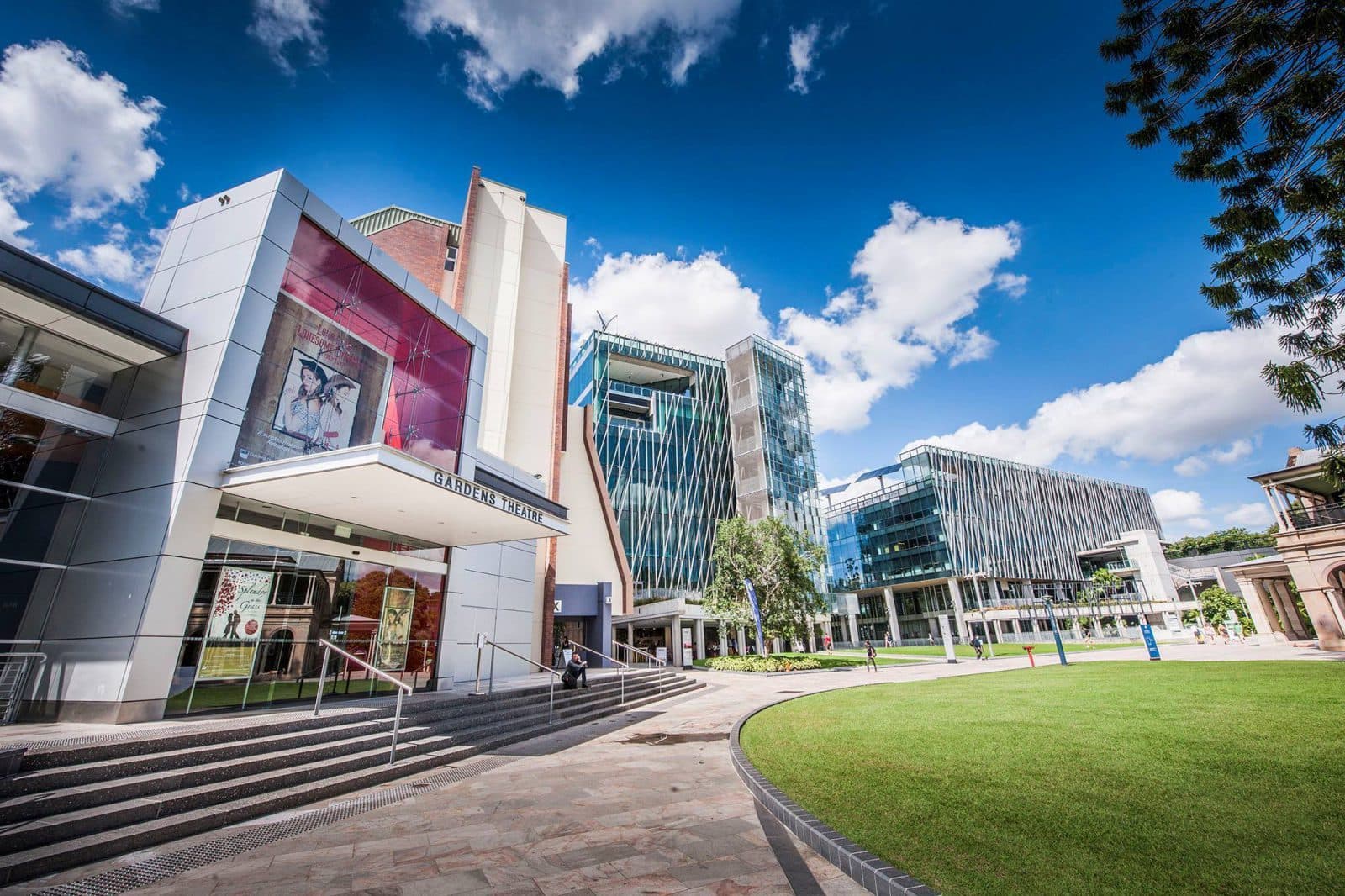
Australian higher education institutions continue to prioritise student success beyond the classroom, with dedicated roles emerging to bridge academic learning and professional pathways. Queensland University of Technology (QUT) in Brisbane has opened applications for a Career Educator position within its Career Development and Services team. This full-time hybrid role based at the Kelvin Grove campus focuses on delivering targeted support to enhance the employability of students and recent graduates across diverse disciplines.
The position responds to the ongoing need for structured career guidance in universities, where graduates navigate competitive labour markets and evolving industry demands. By embedding career development strategies early and consistently, institutions like QUT aim to improve transition outcomes while fostering lifelong skills in self-awareness, opportunity exploration, and decision-making.
The Growing Emphasis on Employability in Australian Higher Education
Graduate outcomes remain a key performance indicator for universities nationwide. Recent data from the Quality Indicators for Learning and Teaching (QILT) Graduate Outcomes Survey shows undergraduate full-time employment rates around 75 percent shortly after completion, with postgraduate figures higher. These numbers highlight both progress and persistent challenges, including skills utilisation and underemployment in certain fields.
Career educators play a pivotal role in addressing these dynamics. They design and deliver programs that integrate career development learning into the student experience, often collaborating with faculties on work-integrated learning initiatives. This approach moves beyond one-off workshops to sustained engagement, helping students articulate their strengths and align studies with future opportunities.
National bodies such as the Career Industry Council of Australia (CICA) have long advocated for strategic investment in career development services. Recent reports underscore how effective career education contributes to broader workforce goals, including gender economic equality and regional development. Universities that invest in specialist roles report stronger connections between education and employment, benefiting both individuals and the economy.
Core Responsibilities in a University Career Educator Role
Professionals in these positions typically manage a portfolio that includes one-on-one consultations, group workshops, and resource development. At QUT, the Career Educator will provide timely services tailored to individual needs, supporting students from first year through to graduation and beyond.
Key activities often encompass:
- Facilitating career development learning sessions that build self-efficacy and decision-making capabilities
- Assisting with job search strategies, application materials, and interview preparation
- Partnering with employers to create meaningful engagement opportunities such as networking events and industry insights
- Contributing to institutional strategies that embed employability across curricula
These responsibilities require a blend of counselling skills, knowledge of labour market trends, and an understanding of diverse student cohorts, including international students and those from equity backgrounds.
Impact on Student and Graduate Success
Effective career support translates into measurable benefits. Graduates who engage with university career services frequently demonstrate higher confidence in their career direction and better preparedness for the workforce. In the Australian context, where many students balance study with part-time work, targeted guidance helps optimise these experiences for long-term advantage.
Institutions benefit too. Strong employability outcomes enhance reputation, attract prospective students, and support funding tied to performance metrics. QUT’s commitment to this area aligns with its reputation for practical, industry-connected education in fields ranging from business and creative industries to health and engineering.

Addressing Contemporary Challenges in Career Development
Today’s graduates face rapid technological change, gig economy influences, and shifting employer expectations around adaptability and digital literacy. Career educators help demystify these realities by introducing frameworks such as the Australian Blueprint for Career Development, which outlines competencies across life stages.
Equity considerations are also central. Students from low socioeconomic backgrounds or regional areas may have less access to informal networks. Dedicated educators design inclusive programs that level the playing field, drawing on evidence-based practices to support underrepresented groups.
Hybrid work models and global opportunities add further layers, requiring educators to stay current with visa pathways, remote roles, and international labour trends relevant to Australian graduates.
Skills and Qualifications Sought for Career Educator Positions
Successful candidates typically hold qualifications in education, psychology, human resources, or a related field, often complemented by experience in career counselling or student services. Familiarity with digital platforms for career management and data-informed approaches to service delivery are increasingly valued.
Interpersonal qualities such as empathy, cultural competence, and the ability to inspire motivation stand out. The role demands both strategic thinking for program design and operational agility to respond to fluctuating student demand throughout the academic year.
Broader Trends Shaping Career Services Across Australian Campuses
Many universities are expanding their career teams in response to stakeholder expectations. Integration with academic faculties, use of analytics to personalise support, and partnerships with industry bodies represent common developments. The focus has shifted from reactive job placement assistance to proactive capability building that prepares students for multiple career transitions over a lifetime.
Reports from CICA and government agencies continue to emphasise the return on investment from quality career education, linking it to improved retention, satisfaction, and long-term workforce participation.
Opportunities for Professional Growth in This Field
Roles like the one at QUT offer pathways for career development practitioners to influence institutional policy and contribute to sector-wide conversations. Involvement in professional associations provides networking, professional development, and recognition of expertise.
Practitioners often progress into leadership positions overseeing larger teams or specialising in areas such as international student support or alumni engagement. Continuous learning through certifications aligned with CICA standards strengthens both individual careers and service quality.

Looking Ahead: The Future of Career Education in Higher Education
As artificial intelligence and automation reshape occupations, career educators will increasingly focus on human skills, ethical decision-making, and adaptive career narratives. Universities that position these professionals strategically stand to deliver graduates who are not only employable but resilient and purpose-driven.
QUT’s current opening reflects a proactive stance in this evolving landscape, inviting qualified professionals to contribute to student success in one of Australia’s most dynamic cities.
How Interested Candidates Can Engage with Similar Opportunities
Those exploring roles in university career services are encouraged to review position descriptions carefully, prepare evidence of impact in previous roles, and demonstrate alignment with institutional values. Networking through sector events and following university careers pages can surface openings as they arise.
Resources on sites dedicated to higher education employment provide additional context on salary bands, typical responsibilities, and application tips tailored to the Australian context.

.jpg&w=128&q=75)