Queensland University of Technology (QUT) is actively recruiting for a Software Engineer position based at its Kelvin Grove campus in Brisbane. This role presents a prime opportunity for tech professionals passionate about contributing to the digital backbone of one of Australia's leading universities. As higher education institutions increasingly rely on robust software solutions to enhance teaching, research, and administrative functions, positions like this are pivotal in shaping the future of learning environments.
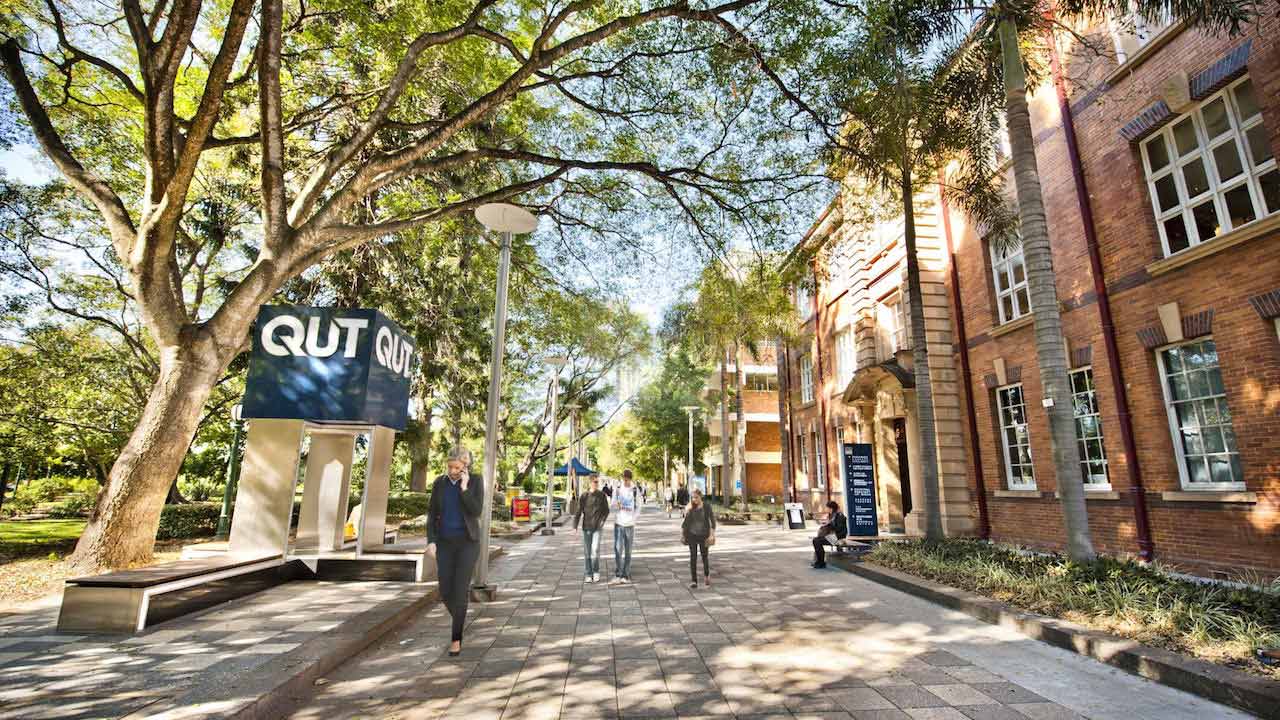
QUT, established in 1989 through the merger of two historic Brisbane colleges, has grown into a dynamic powerhouse known for its real-world focus and industry partnerships. With over 50,000 students and a strong emphasis on STEM disciplines, the university consistently ranks among the top in Australia for graduate employability and research impact. The Kelvin Grove campus, a vibrant hub blending education, research, and community engagement, serves as the primary location for this role.
Understanding the Software Engineer Role at QUT
The Software Engineer position falls within QUT's Digital Business Solutions team or a similar technology division, where the focus is on developing and maintaining applications that support core university operations. Responsibilities typically include designing, coding, testing, and deploying software solutions tailored to higher education needs, such as student management systems, learning management platforms like Blackboard or Canvas integrations, research data portals, and administrative tools.
Day-to-day tasks might involve collaborating with cross-functional teams to translate business requirements into technical specifications. For instance, engineers could build APIs for seamless data exchange between legacy systems and modern cloud-based services, ensuring scalability for thousands of users. Emphasis is placed on user-centered design, making interfaces intuitive for students, faculty, and staff alike.
In the context of Australian higher education, where digital transformation is accelerating, this role contributes to initiatives like personalized learning pathways powered by data analytics and AI-driven recommendation engines. Engineers at QUT work in agile environments, using methodologies such as Scrum to deliver iterative improvements.
Key Skills and Qualifications Sought
To thrive in this position, candidates need a blend of technical expertise and soft skills suited to a collaborative academic setting. Essential qualifications often include a bachelor's degree in Computer Science, Software Engineering, Information Technology, or a related field. Professional experience of 3-5 years in software development is preferred, with proficiency in languages like C#, Java, Python, or JavaScript.
- Strong knowledge of full-stack development frameworks such as .NET, Spring Boot, or React/Node.js
- Experience with cloud platforms like Microsoft Azure or Amazon Web Services (AWS), common in university infrastructures
- Familiarity with database management systems (e.g., SQL Server, PostgreSQL) and DevOps tools (e.g., Git, Jenkins, Docker)
- Understanding of cybersecurity best practices, crucial for handling sensitive student and research data
- Excellent problem-solving abilities and communication skills for stakeholder engagement
Desirable skills might encompass prior work in edtech, knowledge of higher education regulations like TEQSA standards, or experience with machine learning libraries for research applications. QUT values diversity and encourages applications from underrepresented groups in tech.
The Broader Landscape of EdTech in Australian Universities
Australia's higher education sector is undergoing rapid digital evolution, driven by post-pandemic shifts and technological advancements. By 2026, institutions are prioritizing AI integration for adaptive learning, virtual reality simulations for practical training, and blockchain for credential verification. QUT leads in this space, with initiatives like its Centre for Data Science fostering innovative software solutions.
According to recent industry analyses, Australian universities have invested heavily in digital infrastructure, with edtech spending projected to exceed AUD 2 billion annually. Challenges include legacy system migrations and ensuring equitable access for regional students. Software engineers play a critical role in bridging these gaps, developing hybrid platforms that support both on-campus and online delivery.
For example, at QUT, recent projects have involved enhancing mobile apps for student engagement, integrating generative AI for content creation assistance, and optimizing analytics dashboards for faculty insights. These efforts align with national strategies like the Australian Government's Digital Education Strategy 2023-2026, emphasizing resilient, inclusive tech ecosystems.

Salary, Benefits, and Work-Life Balance
Remuneration for a Software Engineer at QUT is competitive within the higher education sector, typically aligned with the Higher Education Worker (HEW) scale. Entry to mid-level roles fall under HEW7, offering a package from approximately AUD 103,000 to 113,000 base salary, plus 17% superannuation, annual leave loading, and salary packaging options. Senior positions reach HEW8 at AUD 138,000-156,000.
Beyond salary, QUT provides comprehensive benefits including flexible hybrid work arrangements (3 days on-campus), professional development allowances up to AUD 3,500 yearly, onsite gyms, childcare subsidies, and employee assistance programs. The university's commitment to work-life balance is evident in its parental leave policies and wellness initiatives.
| Benefit | Description |
|---|---|
| Superannuation | 17% employer contribution |
| Leave | 4 weeks annual + 12 days personal |
| Development | Training budget + study assistance |
| Health | Onsite facilities + EAP |
Career Progression and Professional Growth
Working as a Software Engineer at a university like QUT offers unique advancement opportunities not always found in private sector roles. Progression paths include moving to Senior Engineer, Solutions Architect, or IT Project Manager positions within the Division of Technology. Many employees pursue postgraduate qualifications supported by QUT's staff study programs.
The academic environment encourages innovation, with engineers often co-authoring papers or contributing to open-source projects. Networking with researchers exposes professionals to cutting-edge fields like quantum computing and bioinformatics software. Long-term, alumni frequently transition to edtech startups or government roles, leveraging their higher ed expertise.
Why Brisbane and Kelvin Grove?
Kelvin Grove, just minutes from Brisbane's CBD, combines urban vibrancy with green spaces. QUT's precinct features state-of-the-art labs, creative hubs, and the Kelvin Grove Urban Village for dining and events. Brisbane's tech scene is booming, with hubs like the Brisbane Technology Park attracting global firms.
Affordable housing, excellent public transport, and a subtropical climate make it ideal for families and young professionals. The region's lower cost of living compared to Sydney or Melbourne enhances salary value, while proximity to beaches and national parks supports an active lifestyle.

Application Process and Tips for Success
Applications are open via QUT's careers portal or aggregator sites. Prepare a tailored CV highlighting relevant projects and a cover letter addressing the selection criteria, such as demonstrated software delivery in team settings. Reference number and job ID (656236) should be noted.
Interviews typically involve technical assessments, behavioral questions, and a coding challenge. Prepare examples using the STAR method (Situation, Task, Action, Result). For more details and to apply, visit the AcademicJobs.com listing or QUT's official site at QUT Careers.

- Review essential criteria against your experience
- Showcase higher ed or public sector projects if possible
- Network via LinkedIn with current QUT staff
- Apply early as positions fill quickly
Future Outlook for Higher Ed Tech Roles
With Australia's international student numbers rebounding and domestic demand for skilled graduates rising, universities are ramping up tech investments. By 2030, edtech roles are expected to grow 25%, per government forecasts. QUT's focus on Industry 4.0 aligns with national priorities, positioning its engineers at the forefront.
Emerging areas include ethical AI governance, sustainable computing, and metaverse learning spaces. Professionals entering now will shape these trajectories, enjoying job security and societal impact unique to higher education.
For insights into Australia's standing, see the Times Higher Education World University Rankings 2026, highlighting QUT's strengths. Further reading on digital trends: State of Higher Education 2026.
This Software Engineer role at QUT is more than a job—it's a chance to drive meaningful change in education. Brisbane's thriving ecosystem and QUT's innovative culture make it an unmissable opportunity for forward-thinking developers.