
Most universities wrap their continuing jobs in committees that drag on for six months. QUT just posted a Senior Lecturer/Associate Professor role in biomedical engineering that cuts through the noise. The ad tells you the salary band, the campus, and the research groups you’d join. If you’ve been waiting for a genuine continuing academic position in Australia — one where the salary isn’t a secret — this is it.
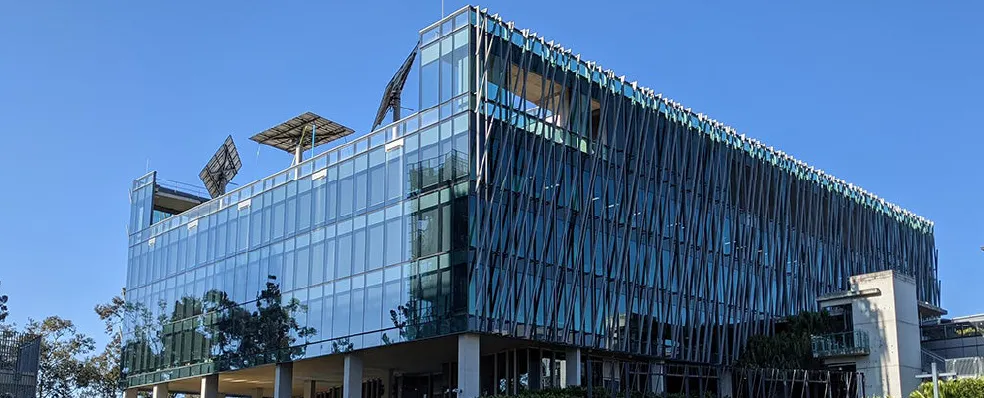
The role sits in the School of Mechanical, Medical and Process Engineering at the Gardens Point campus in Brisbane’s CBD. You’d teach into the biomedical engineering degree, supervise PhDs, and run a research program in one of several active areas: biomechanics, tissue engineering, medical device design, or rehabilitation engineering. The position is open at either Academic Level C (Senior Lecturer) or Level D (Associate Professor), depending on your track record.
That flexibility matters. A strong Senior Lecturer candidate with a growing grant record and solid teaching evaluations can step into the job now. Someone with a sustained research profile, international collaborations, and a history of winning Category 1 grants will slot into the Associate Professor level. You aren’t shoehorned into a single classification.
Why this job is different from most academic ads
Scroll through any Australian university jobs board and you’ll find dozens of Level B and C roles that are fixed-term for three years. Continuing positions in engineering are rare. QUT’s last enterprise bargaining round locked in that continuing staff would stay the norm for academic roles where ongoing teaching and research are needed — and this is one of them. You’re not applying for a contract. You’re applying for a career.
The School itself has grown its biomedical engineering research income by 38 per cent over the past three years, driven by the Medical Device Research Institute and partnerships with Queensland Health. Clinical collaborations run through the Princess Alexandra Hospital and the Royal Brisbane and Women’s Hospital, both less than fifteen minutes from campus. If you build wearable sensors or orthopaedic implants, you’ll find a ready clinical testing pathway.
QUT’s practical orientation — it calls itself “the university for the real world” — threads through the engineering faculty. Students work on industry projects from year one. As a teaching academic, you’d shape capstone projects alongside companies like Stryker, Medtronic, and local startup EMVision. That industry pull-through means your research can move beyond paper into prototypes faster than at some Group of Eight institutions.
Salary, super, and what you actually take home
QUT publishes its academic salary bands under the current enterprise agreement. A Senior Lecturer (Level C) earns between $129,624 and $148,885 per annum, while an Associate Professor (Level D) ranges from $154,382 to $169,698. On top of that, you get 17 per cent superannuation — one of the highest university super rates in the country — plus annual leave loading and generous long-service leave accrual.
Brisbane’s cost of living tilts the equation further in your favour. Median house prices in the city sit around $760,000, roughly half of Sydney’s median. Renting a two-bedroom apartment in a walkable inner suburb like West End or New Farm costs $550–$700 per week. On a Level D salary, you’re clearing over $2,000 a week after tax. That’s enough to buy a home within a twenty-minute bike ride of the Gardens Point campus — something almost impossible on an equivalent salary in Melbourne or Sydney.
The city and the campus
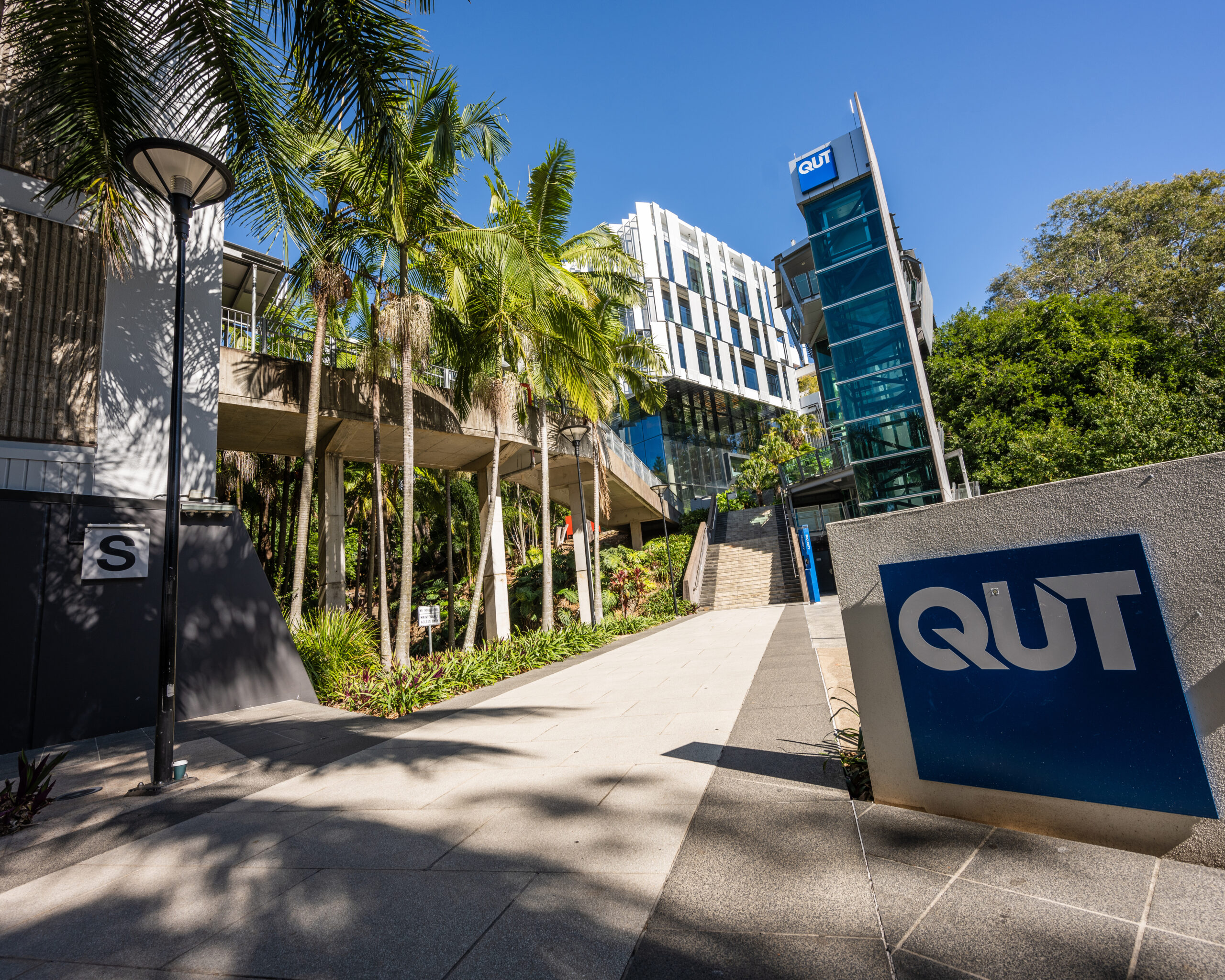
Gardens Point occupies a riverfront site next to the City Botanic Gardens and Parliament House. The Science and Engineering Centre, opened in 2013, houses the biofabrication and biomechanics labs you’d work in. The campus is connected to the cycle network via the Goodwill Bridge, and QUT runs a staff shuttle to the Kelvin Grove campus, where the health clinics sit alongside the Institute of Health and Biomedical Innovation.
Brisbane itself added 21,000 new residents from interstate migration in the year to June 2023, according to ABS data. People move for the climate, the jobs market, and the fact that the 2032 Olympics has unlocked infrastructure spending. The Cross River Rail project will put an underground station at Albert Street, three hundred metres from the university’s main entrance, when it opens in 2026.
What the biomedical engineering market looks like right now
Jobs and Skills Australia classifies biomedical engineers under the broader engineering professionals category and projects strong future growth. National employment projections show professional, scientific and technical services — the sector that includes medical device R&D — adding 167,900 jobs by 2028. Queensland’s share of those roles is growing faster than any state except Victoria, buoyed by the biomedical precinct at the Gold Coast Health and Knowledge Precinct and the Herston Quarter redevelopment.
Demand for biomedical engineering academics isn’t just about student numbers. The Australian government’s Medical Research Future Fund has directed $2 billion toward frontier medical technology and commercialisation programs over the next ten years. Universities that can produce research-ready graduates and win grant income from those streams — QUT included — are hiring now. Waiting for the next cycle means competing with the cohort that graduates during that funding expansion.
How to apply without losing your weekend
QUT uses the PageUp recruitment system, but the official job listing on Academic Jobs cuts through the clutter. You’ll get the contact officer’s name, the selection criteria document, and the apply button in one place. Here’s what to do:
- Download the position description and mark every criterion you can prove with a concrete example. One example per criterion is enough — don’t write an essay.
- Write a two-page cover letter that leads with your research program and grant track record. If you’re applying for the Associate Professor level, name the research group you want to build and where you’ll recruit PhD students from.
- Include a teaching statement that mentions one biomedical engineering unit you’ve redesigned or developed. QUT values hands-on, project-based pedagogy — say how you’d adapt that to the EGB322 Biomedical Design unit or equivalent.
- Submit before the closing date, but don’t wait. The selection panel can begin shortlisting as soon as a competitive field forms.
View the full listing and start your application through the Senior Lecturer/Associate Professor job page on Academic Jobs. You’ll find the official QUT link, salary bands, and direct contact details.
One final point: QUT’s recruitment process includes a structured interview and a research presentation. Prepare a fifteen-minute talk that covers your three most significant projects, not a chronological CV monologue. The panel wants to see how you think, not just what you’ve published. If you can connect your work to Queensland Health’s clinical needs, you’ll stand out.



Discussion
Be the first to comment on this article!
You’ll be asked to sign in before your comment is posted.