

Queensland University of Technology (QUT) has opened a recruitment round for a Sterilisation Laboratory Assistant within its Environmental, Geological and Biological Sciences faculty. The position sits in the university's professional staff structure, supporting teaching and research laboratories across three disciplines that rely on sterile glassware, media, and safe waste handling.
The listing, posted on QUT's NGA recruitment portal, calls for someone to manage the autoclave work that underpins everything from microbial cultures to geological sample preparation. For a university that runs hundreds of practical classes each semester, the role is less about routine cleaning and more about being the person who keeps contamination risks at zero.
Why a Sterilisation Lab Assistant Is the Unsung Backbone of QUT Research
Sterilisation in a science laboratory means using high-pressure steam, dry heat, or chemical agents to destroy all viable microorganisms on equipment and media. The assistant ensures that flasks, test tubes, pipette tips, and growth media arrive on benches in a condition that will not ruin an experiment or compromise a culture. In environmental, geological, and biological sciences, that work is especially varied: soil samples need sterilised containers; agar plates for microbiology need to be poured and autoclaved; geological thin sections require clean glass slides; and field equipment for geochemistry must be acid-washed and rinsed to trace-metal standards.
A standard autoclave cycle runs at 121 degrees Celsius and 15 pounds per square inch for 15 to 20 minutes, depending on load size and material. The role is often not visible to students or chief investigators, but its failure is visible everywhere. A contaminated batch of agar means a practical class loses a week. A cracked autoclave door can shut down a research group. The person who checks the sterilisation indicators and logs the cycles is doing work that laboratory risk assessments describe as critical control.
The assistant also operates within a quality system that demands evidence. Biological indicators, chemical integrators, and cycle printouts create a paper trail that auditors from QUT's safety office and external regulators can inspect. When a research paper reports a reproducible result, part of that reproducibility traces back to sterile glassware and uncontaminated media prepared weeks earlier.
Day-to-Day Duties: More Than Running an Autoclave
The QUT position includes responsibilities across the sterilisation workflow. A typical shift might begin with collecting used glassware from teaching laboratories and research spaces. The assistant then sorts, washes, and loads items into autoclaves, setting appropriate cycles for different materials. Some media cannot withstand high heat and require filter sterilisation or chemical treatment instead. The assistant documents every cycle, checks biological indicators, and troubleshoots equipment that fails validation.
Other duties in the position description include preparing standard solutions and media, maintaining stock records, managing the safe disposal of biohazardous waste, and keeping the sterilisation area compliant with Australian Standards and QUT's own laboratory safety procedures. The assistant also works with academic staff to schedule sterilisation around class timetables, ensuring equipment is ready when needed.
Here are some of the core responsibilities drawn from the advertisement:
- Operating and monitoring autoclaves, including routine performance checks and maintenance logging.
- Preparing microbiological media, agar plates, and sterile reagents to established formulations.
- Washing and sterilising glassware, instruments, and other laboratory consumables using validated methods.
- Managing biohazardous and chemical waste in line with environmental and safety regulations.
- Maintaining accurate records of sterilisation cycles, equipment calibration, and stock levels.
- Supporting laboratory classes and research projects by delivering sterile materials on schedule.
The full position description, including all selection criteria, is available on QUT's NGA recruitment page.
Skills and Qualifications QUT Looks For
The advertisement specifies that applicants should hold a relevant qualification in laboratory technology, science, or a related field, or have equivalent experience. Practical knowledge of autoclave operation, sterilisation techniques, and laboratory safety is essential. QUT also values the ability to follow standard operating procedures precisely, as well as the initiative to spot problems before they become incidents.
Experience in a tertiary teaching or research laboratory is often an advantage, though not always mandatory. The role suits early-career laboratory technicians who want to build a specialisation in sterilisation and lab operations. Strong communication matters because the assistant coordinates with teaching staff, research students, and the wider technical services team. The role reports to a senior laboratory manager and works alongside laboratory assistants and technical officers. Attention to detail is non-negotiable; sterilisation logs are legal records in some contexts, and a single missed validation can trigger a full audit.
You can also view the same advertisement on AcademicJobs.com's job board at Sterilisation Laboratory Assistant – Environmental, Geological and Biological Sciences, which mirrors the application link and provides a stable record if the QUT page changes.
Working at QUT's Science Faculty in Brisbane
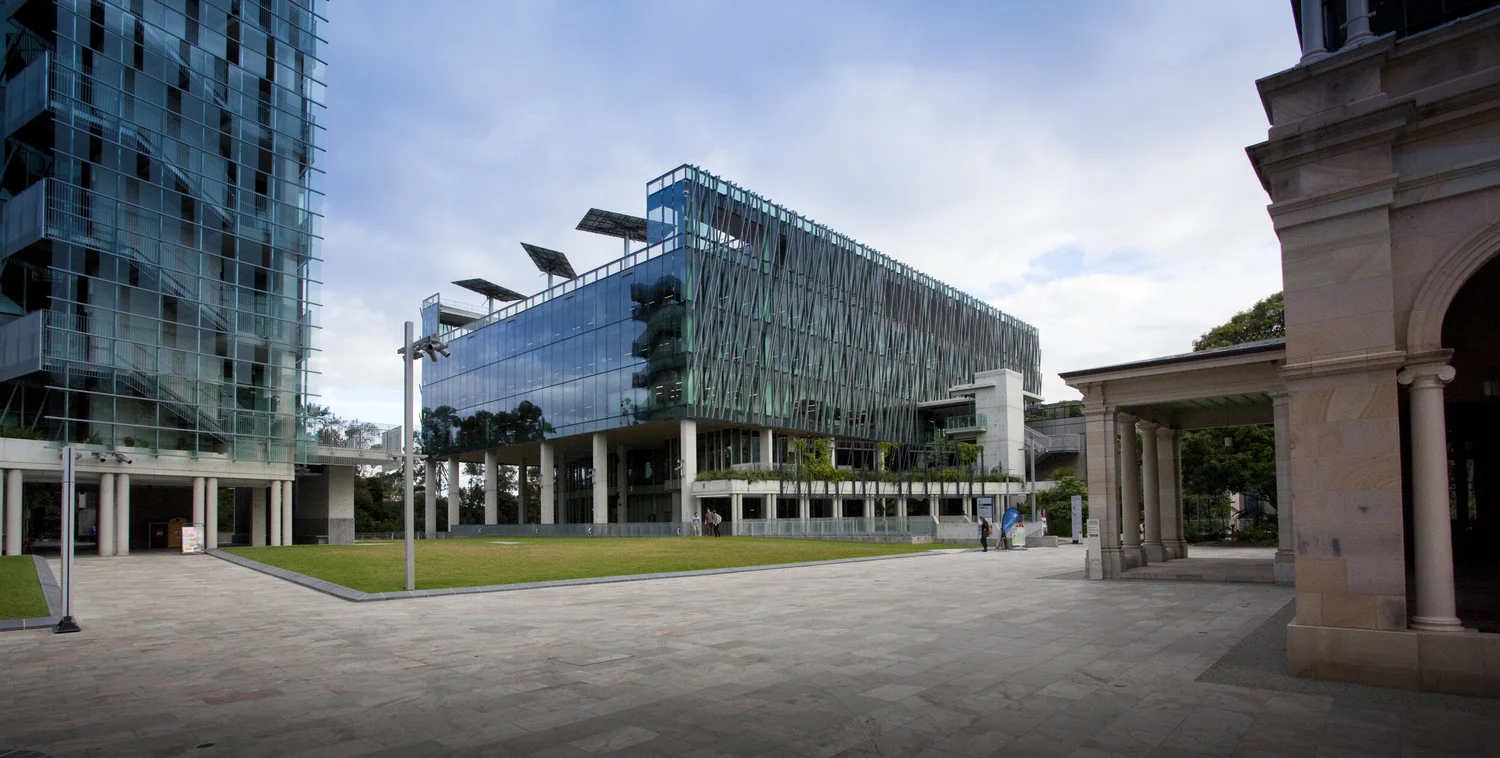
QUT's science precinct sits at the university's Gardens Point campus in central Brisbane, with additional science facilities at Kelvin Grove. The Environmental, Geological and Biological Sciences groups operate teaching and research laboratories that run classes from first-year biology through to postgraduate research. The sterilisation assistant supports all of them, which means the workload shifts with academic terms and research grant cycles.
QUT is one of Australia's largest universities, and its professional staff are covered by enterprise agreements that set salary bands and conditions. The advertised position is a continuing or fixed-term appointment, depending on the faculty's current structure. Applicants should read the job details carefully for contract length and classification level. For those new to Brisbane, the city's science sector includes other universities, CSIRO sites, and private laboratories, so the skills built in this role transfer well.
More about the faculty's research and teaching strengths can be found on QUT's Faculty of Science page.
How to Apply and What Happens Next
Applications are submitted through QUT's NGA recruitment system. You will need a current CV and a response to the selection criteria. The closing date is listed on the advertisement, but QUT sometimes extends deadlines if applicant numbers are low. Submit early rather than waiting, as technical services roles often attract many applicants and shortlisting can begin before the advertised close date.
Shortlisted candidates usually complete a practical task or tour the sterilisation facility, followed by an interview with the laboratory manager and a human resources representative. The interviewer will probe your understanding of autoclave validation, your experience with media preparation, and how you would handle a failed sterilisation cycle. Prepare concrete examples from any laboratory work, including teaching placements, internships, or volunteer lab assistant roles.
The next step is to read the full position description on QUT's portal. If you meet the core requirements, tailor your CV to show specific sterilisation and lab safety experience. Application reviews often start within days of the closing date, so having your documents ready makes a difference.



Discussion
Be the first to comment on this article!
You’ll be asked to sign in before your comment is posted.