Discovering the Technical Officer Role at James Cook University
James Cook University (JCU) in Townsville, Queensland, has opened applications for a Technical Officer position within its renowned Isotropics Geochemistry Laboratory. This full-time, fixed-term role until June 2028 offers a unique chance to contribute directly to groundbreaking research in earth sciences. Nestled in the heart of Tropical North Queensland, JCU continues to attract top talent with opportunities that blend hands-on laboratory work with cutting-edge scientific discovery. As Australian universities ramp up their research agendas amid growing national priorities in resources and environmental sciences, positions like this highlight the vital support roles that keep innovation flowing.
The Economic Geology Research Centre (EGRU), part of JCU's College of Science and Engineering, hosts this position. EGRU focuses on mineral exploration, ore deposit formation, and sustainable resource development, areas critical to Australia's economy. The Technical Officer will play a pivotal part in sample analysis and lab operations, supporting projects that influence mining practices and environmental monitoring across the region.
James Cook University: A Leader in Tropical Research
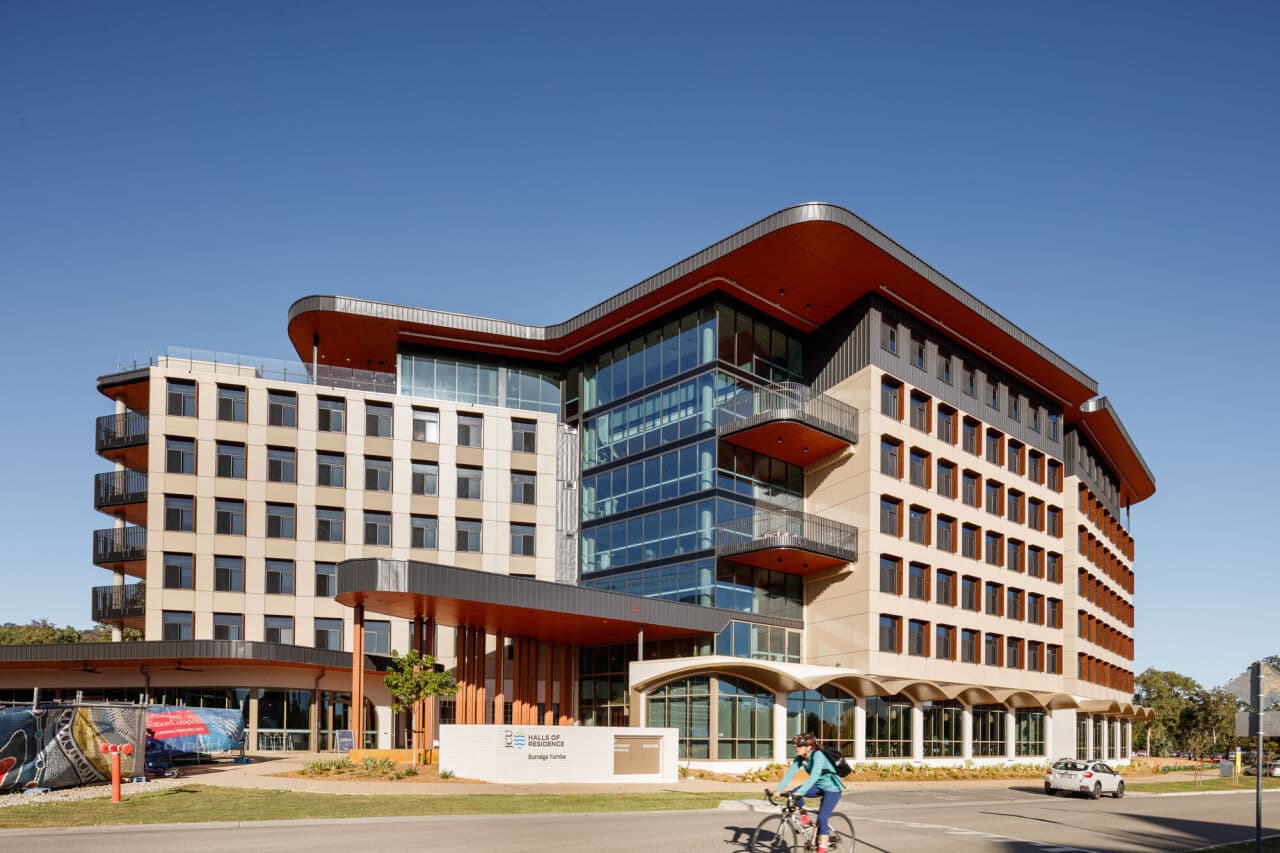
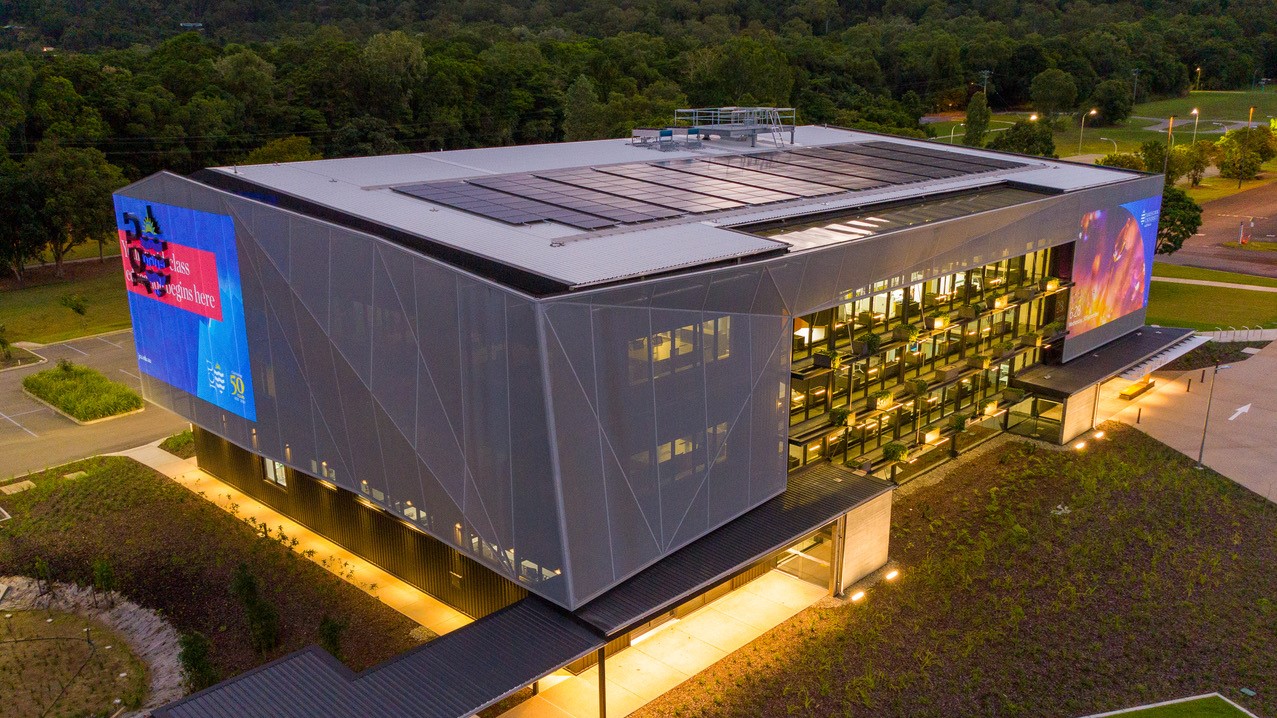
Established in 1961, James Cook University stands as one of Australia's leading institutions for tropical research and education. With campuses in Townsville, Cairns, and beyond, JCU boasts over 20 major research centers, emphasizing marine biology, tropical health, and earth sciences. The Townsville Bebegu Yumba campus, where this role is based, features state-of-the-art facilities including the Advanced Analytical Centre, home to specialized labs like IsoTropics.
JCU's commitment to regional impact is evident in its partnerships with industry giants in mining and government bodies focused on sustainable development. For technical staff, this translates to collaborative environments where your work contributes to real-world outcomes, from discovering new mineral deposits to tracing pollutants in waterways. Recent investments in infrastructure have expanded lab capabilities, creating more opportunities for skilled professionals to thrive.
In the broader Australian higher education landscape, universities like JCU are pivotal in addressing national challenges. With Australia's resources sector contributing over 10% to GDP, expertise in geochemistry is increasingly sought after to balance economic growth with environmental stewardship.
Inside the Isotropics Geochemistry Laboratory

The Isotropics Geochemistry Lab, often called IsoTropics, is a flagship facility within JCU's research ecosystem. Specializing in isotope geochemistry, the lab employs sophisticated techniques to analyze trace metals and isotopes in geological samples. Researchers here tackle diverse projects, including radiogenic isotope studies for ore exploration, stable isotope applications in environmental tracing, and novel methods for understanding continental evolution.
Equipped with a metal-free clean lab, high-precision mass spectrometers, and inductively coupled plasma mass spectrometry (ICP-MS) systems, IsoTropics enables contamination-free processing of rock, soil, and water samples. Recent publications from the lab cover topics like mass-dependent isotope fractionation and banded iron formations, underscoring its global relevance. For a deeper dive into their capabilities, visit the IsoTropics Geochemistry Lab page.
This lab exemplifies how technical officers are the backbone of university research, maintaining instruments, preparing samples, and ensuring data quality that fuels peer-reviewed papers and industry collaborations.
Key Responsibilities of the Technical Officer
In this role, you'll undertake a range of hands-on tasks essential to lab operations and research delivery. Primary duties include preparing rock and water samples for analysis, which involves chemical digestion, separation techniques, and column chemistry to isolate target elements. You'll operate and maintain advanced instrumentation like multi-collector ICP-MS and thermal ionization mass spectrometers, ensuring optimal performance through routine calibrations and troubleshooting.
Expect to contribute to project outcomes by generating high-quality datasets, interpreting preliminary results, and assisting researchers with experimental design. Safety protocols are paramount in a clean lab environment, so adherence to chemical hygiene plans and waste management will be daily priorities. Collaboration extends to training postgraduate students and visiting scientists, fostering a vibrant research community.
- Sample preparation and processing using acid digestion and purification methods
- Instrument operation, maintenance, and quality control
- Data acquisition, reduction, and basic analysis
- Lab inventory management and ordering supplies
- Supporting fieldwork logistics when required
These responsibilities demand precision and adaptability, offering variety from benchtop work to data reporting.
Essential Qualifications and Skills
Candidates should hold a bachelor's degree in geochemistry, earth sciences, chemistry, or a related field. Practical laboratory experience, particularly with clean lab techniques and mass spectrometry, is crucial. Familiarity with software for data processing, such as Excel, MATLAB, or specialized geochemistry tools, will set you apart.
Desirable attributes include knowledge of radiogenic isotopes (e.g., Hf, Nd, Pb) and stable isotopes, prior work in ore deposit studies, or environmental geochemistry. Strong communication skills are needed for reporting findings and collaborating across teams. JCU values candidates with a right to work in Australia and a commitment to safety and ethics in research.
For those transitioning from industry labs or other universities, highlight transferable skills like method development and instrument troubleshooting. Ongoing professional development is encouraged, with opportunities for training in new analytical techniques.
Competitive Salary and Comprehensive Benefits
Classified at Higher Education Worker Level 6 (HEWL 6), the salary ranges from $90,821 to $98,369 per annum, plus up to 17% employer superannuation contributions. This positions it competitively within Australian university pay scales for technical roles, where averages hover around $85,000-$100,000 depending on experience and location.
| Component | Details |
|---|---|
| Base Salary | $90,821 - $98,369 p.a. |
| Superannuation | Up to 17% |
| Annual Leave | 6 weeks |
| Other Benefits | Professional development, wellness programs |
JCU enhances packages with generous leave entitlements, salary sacrificing options, and access to on-campus facilities like gyms and childcare. In Townsville's lower cost of living compared to southern cities, this compensation supports a high quality of life.
Career Progression for University Technical Officers
Technical officers in Australian higher education enjoy stable career ladders. Starting at HEW 5-6, progression to senior roles (HEW 7-9) involves specialization, leadership, and contributions to grant-funded projects. Many advance to lab management, research support coordination, or even academic pathways with further qualifications.
At JCU, internal opportunities abound, with recent hires advancing to key positions in the Advanced Analytical Centre. Nationally, demand for STEM technical staff is rising, driven by research funding increases and infrastructure expansions. Reports indicate a 10-15% growth in lab support roles by 2030, particularly in geosciences amid critical minerals focus.
- Short-term: Skill-building in advanced analytics
- Mid-term: Senior Technical Officer or facility manager
- Long-term: Research fellowships or industry consultancy
Trends Driving Demand in Higher Education Technical Roles

Australia's higher education sector faces a surge in technical staffing needs, especially in STEM. With federal investments in critical minerals and net-zero goals, geochemistry labs like IsoTropics are central. Jobs and Skills Australia projects robust growth in scientific technicians, with over 20,000 new positions by 2026.
Universities in Queensland, home to vast mineral resources, lead this trend. JCU's strategic location near mining hubs amplifies opportunities. Challenges like skills shortages underscore the appeal of roles offering training and job security. Learn more about EGRU's contributions via their research overview.
Regional universities like JCU provide work-life balance advantages, attracting professionals seeking impactful careers without urban hustle.
Navigating the Application Process
To apply, visit the JCU Careers portal, submit your resume, cover letter addressing selection criteria, and academic transcripts. Applications close June 2, 2026. Tailor your response to demonstrate lab experience and enthusiasm for geochemistry.
Tips for success: Quantify achievements (e.g., 'Managed 500+ samples annually'), reference specific techniques, and align with JCU's values of collaboration and innovation. Prepare for interviews focusing on technical scenarios and safety knowledge.
Living and Thriving in Townsville
Townsville, Australia's largest tropical city, offers an enviable lifestyle with pristine beaches, the Great Barrier Reef nearby, and a vibrant community. JCU's campus integrates with Magnetic Island adventures and year-round outdoor activities. Lower housing costs (median house $500,000 vs. Sydney's $1.3M) make it ideal for career starters or families.
The region's resources boom supports diverse networking, while JCU staff enjoy relocation assistance for eligible hires.
The Broader Impact and Future Outlook
Technical officers like this role enable discoveries shaping Australia's future—from sustainable mining to climate resilience. As global demand for ethical resources grows, JCU's work positions Queensland as a leader. For aspiring professionals, this opportunity promises growth in a dynamic field. Check the listing on AcademicJobs.com for more details.
With research funding projected to rise, expect more such positions, solidifying technical careers in higher education.