

Knowledgeable and truly inspiring educator.
About David
David Barr is the Instrument Support Technician at the Centre for Trace Element Analysis within the Department of Geology at the University of Otago. In this role, he operates and maintains advanced analytical instruments, including ICP-MS systems, to conduct precise trace element and isotopic analyses. His technical support has been essential to a broad spectrum of research projects conducted at the university, encompassing geochemistry, environmental science, marine biology, archaeology, nutrition, and health sciences.
Barr's expertise has directly contributed to several peer-reviewed publications. He performed trace element analyses for the study 'Geochemical and isotopic characterisation of trench sediment at the Hikurangi subduction zone' (New Zealand Journal of Geology and Geophysics, 2023). Similarly, analyses were carried out at the Centre for 'Subducted sediments and deep crustal processes drive volcanism in the Taupo Volcanic Zone' (Journal of Petrology, 2026). In environmental research, he supported 'Trace metals in natural lakes: seasonal variation of manganese' (Biogeochemistry, 2025) and 'Bioavailable iron concentrations regulate phytoplankton growth' (Science of the Total Environment, 2023). Archaeological investigations benefited from his work in 'Extracting the truth through chemical analyses: Early life histories of Māori children' (American Journal of Biological Anthropology, 2023). Additional contributions include 'Growth at the limits: comparing trace metal limitation of a freshwater chlorophyte and marine diatom' (Scientific Reports, 2022), 'The Effect of the Supplementation of a Diet Low in Calcium with Milk or ForteGrow' (Nutrients, 2020), and 'Optimal Serum Selenium Concentrations Are Associated with Lower Intakes of Seafood' (Journal of Nutrition). He has also provided ICP-MS analysis for numerous PhD theses, such as those on novel xenograft materials from green-lipped mussel (2017), novel inhibitors for anaerobic pathogens, ecological interactions between parasites and hosts, and migratory movements of torrentfish. Through these efforts, Barr has enabled high-precision data generation, supporting impactful research across disciplines.
Trending Geoscience Research & Publication News

Academic Mobility After US Funding Freezes | AcademicJobs
Photo by Jorge Fernández Salas on Unsplash

Beach Science: 7 Things to Teach Kids | AcademicJobs
Photo by Caroline Pasarin on Unsplash

When Does Fog Happen? Timing and Conditions | AcademicJobs
Photo by Nathan Anderson on Unsplash

Pumice Research Reveals Unique Qualities | AcademicJobs
Photo by Amin Hasani on Unsplash

Mongibello Etna History and Research Findings | AcademicJobs
Photo by Julia Taubitz on Unsplash

Tungsten Wolfram Explained: Properties and Supply | AcademicJobs
Photo by Güleren E. on Unsplash
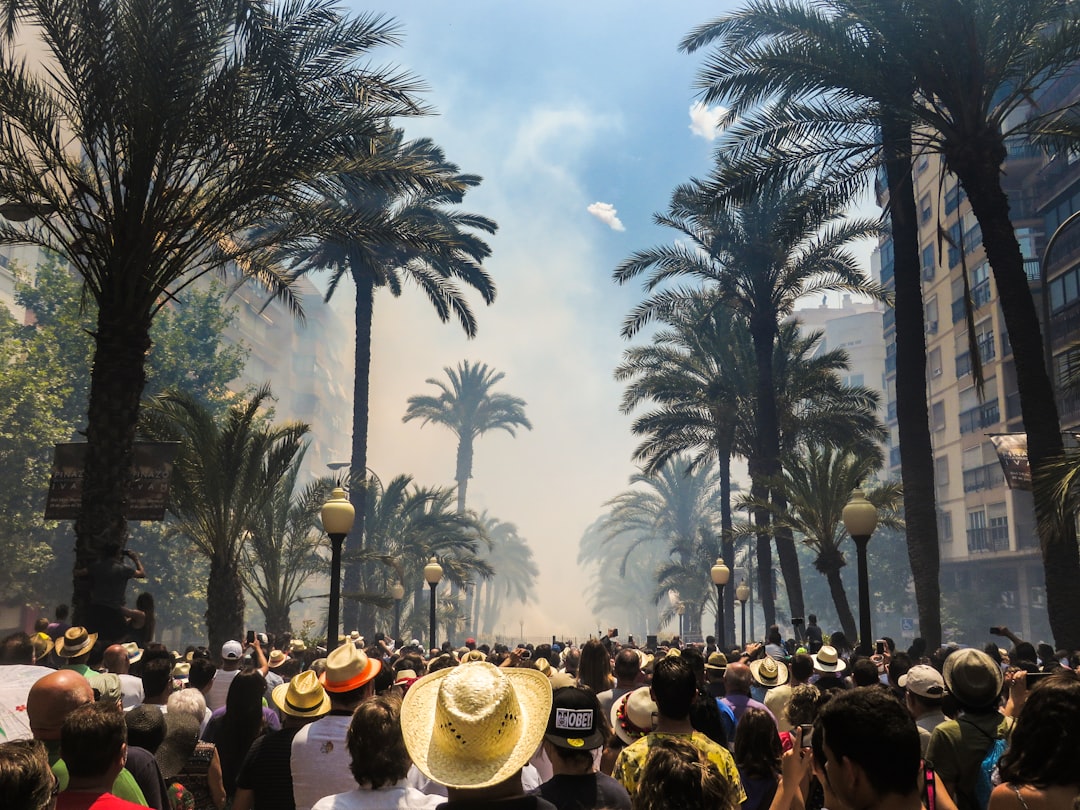
Extreme Heat Records Spain: University Research Impacts 2026
Photo by Lucas Davies on Unsplash