

Always positive, enthusiastic, and supportive.
Mary Kimsey is a Professor Emerita of Geography at James Madison University, where she has advanced geographic science education and applied research initiatives. She earned a B.A. from the University of Cincinnati, an M.A. from the University of Georgia, and a Ph.D. from the University of Georgia. Serving in the Geographic Science Program within the School of Integrated Sciences, Kimsey co-coordinates the Climate Science Minor with Bill Lukens, offering students hands-on training in climate geography and analysis. Her career emphasizes interdisciplinary approaches, integrating geography with technology and global issues.
Kimsey's longstanding leadership of the Haiti Project on La Gonâve island spans over 15 years, forging partnerships that address economic, educational, and environmental challenges. Under her guidance, over 100 JMU students from Geographic Science, Integrated Science and Technology, Engineering, and other programs developed practical solutions, including GIS-based topographic and coral reef maps for navigation and conservation, the island's first southern-side internet connection, and a custom wheelchair for rough terrain. She is authoring a book detailing the island's history, geography, socioeconomic factors, and environment, enriched by translated historical documents and student maps. Supporting these efforts, Kimsey obtained grants from the School of Integrated Sciences, College of Integrated Science and Engineering, Center for Global Engagement, and Provost's Office. Earlier, she contributed to a Department of Defense project on humanitarian demining, co-authoring the 1998 paper 'Use of Imagery and GIS for Humanitarian Demining Management' in the Journal of Humanitarian Demining, which proposed a GIS database system for field operations in Cambodia and Bosnia. In 2017, her Faculty Senate Grant-funded team mapped Haitian reefs using satellite imagery, remote sensing, and GIS to support marine reserve designations. Through these endeavors, Kimsey has profoundly influenced student global citizenship and applied geographic technologies in humanitarian contexts.

Photo by Caroline Pasarin on Unsplash

Photo by Nathan Anderson on Unsplash

Photo by Amin Hasani on Unsplash

Photo by Julia Taubitz on Unsplash

Photo by Güleren E. on Unsplash
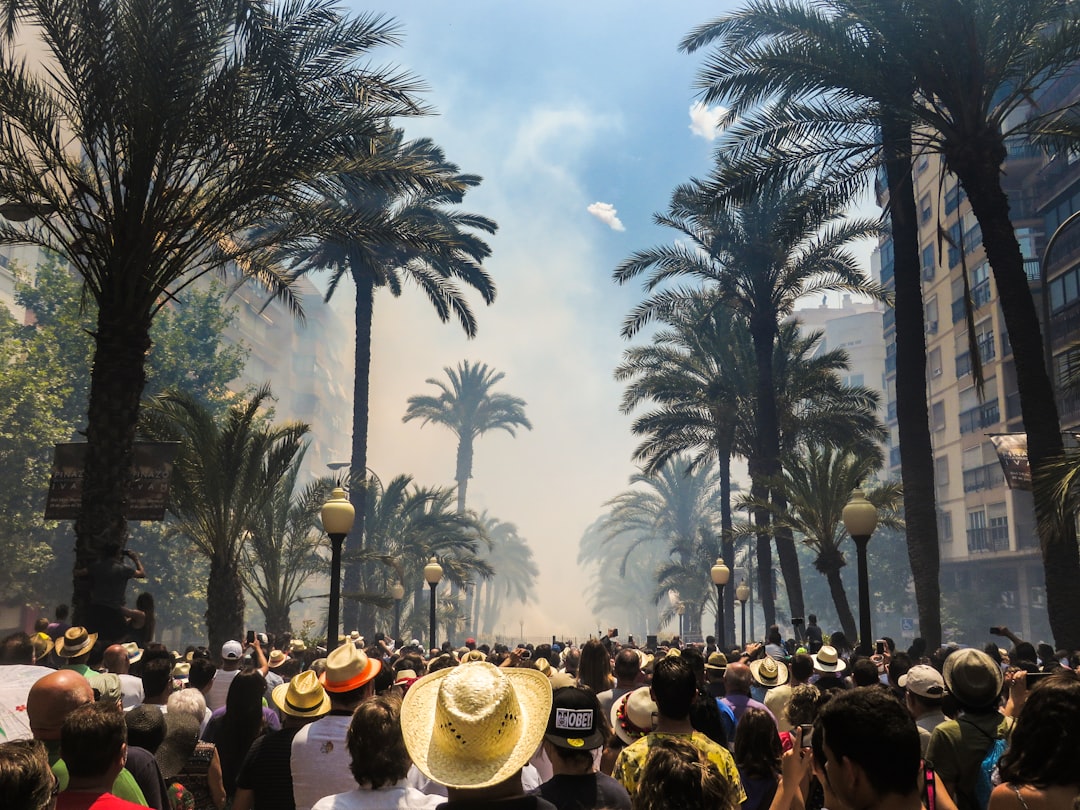
Photo by Lucas Davies on Unsplash

Photo by Brecht Corbeel on Unsplash
Have a story or a research paper to share? Become an Expert Academic Contributor and publish your work on AcademicJobs.com.
Write news and research articles as a expert academic in your field publish your work on AcademicJobs.com