Australia is facing an escalating heat literacy crisis as climate change intensifies heatwaves, making summers longer, hotter, and more lethal. New research from James Cook University (JCU) highlights the urgent need for 'heat literacy' education across all levels, from schools to universities, to equip Australians with the knowledge to mitigate rising heat risks. Heatwaves have long been Australia's deadliest natural disaster, surpassing bushfires and floods in mortality, yet public understanding of heat's physiological impacts remains alarmingly low.
The JCU study, led by Associate Professor Hilary Whitehouse from The Cairns Institute, argues that without targeted education, vulnerable populations—including the elderly, children, outdoor workers, and even university students and faculty—will suffer disproportionately. Tertiary institutions, as hubs of research and education, are uniquely positioned to lead this charge, integrating heat literacy into curricula on environmental science, public health, and climate studies.
Defining Heat Literacy: Beyond Basic Weather Awareness
Heat literacy encompasses a comprehensive understanding of how excessive heat affects human physiology, urban environments, workplaces, and ecosystems. A heat-literate individual recognizes symptoms of heat stress—such as dizziness, nausea, and rapid heartbeat—knows hydration and cooling strategies, understands urban heat island effects where concrete amplifies temperatures by up to 7°C, and can calculate personal heat risk using Wet Bulb Globe Temperature (WBGT) indexes. This 'survival literacy' extends to protecting animals and plants during heat events, emphasizing thermoregulation processes where the body evaporates sweat to cool down, but fails when humidity exceeds 40%.
In practical terms, it means knowing that core body temperature above 40°C can lead to heatstroke within minutes, a risk heightened in Australia's tropical north where JCU is based. Universities like JCU are pioneering this by advocating for its inclusion in science and health courses, preparing future researchers and educators.Explore research positions in environmental health at Australian universities.

The JCU Research Breakthrough: A Call from The Cairns Institute
Published in the Australian Journal of Environmental Education, the paper 'Educating for Heat Literacy: A Material Challenge for Environmental Education' reviews literature from climate, health, and education fields, revealing a critical gap in Australian curricula. Lead author Associate Professor Hilary Whitehouse states, “Heat literacy goes beyond learning about thermal energy and weather to understanding how heat affects our bodies, homes, workplaces and local environments.”
The study urges embedding heat literacy in formal education sectors, starting from early childhood. At tertiary level, it recommends modules on heat physics, adaptive behaviors, and policy. JCU exemplifies this through its Tropical Urbanism Lab and Cairns Institute, fostering interdisciplinary research. For academics interested in this field, Australian higher ed jobs in climate adaptation are booming.
Alarming Heatwave Statistics: Australia's Silent Killer
Heatwaves claimed 1,009 lives across Australia from 2016-2019, according to Monash University analysis—far outpacing other disasters. University of Queensland research attributes a 20% rise in heatwave mortality to anthropogenic climate change, with extreme events now five times more likely. In 2023 globally, heatwaves caused 178,000 excess deaths, with Australia contributing significantly.
- 10% surge in emergency department visits during heatwaves (JCU study).
- Over 5,000 heat-related deaths historically (1844-2010, Griffith Uni).
- Projections: Frequency doubling by 2040s due to warming.
These figures underscore why universities must prioritize heat research funding and training.
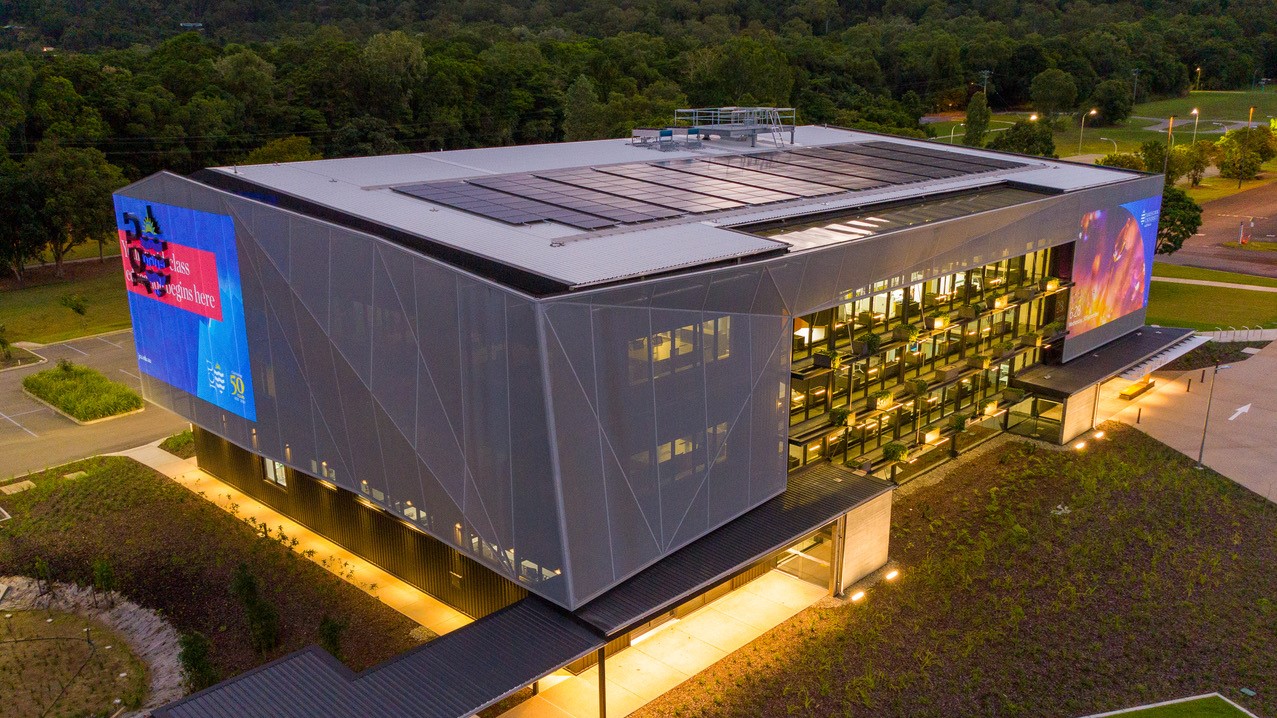
Photo by James Cook University on Unsplash
Vulnerable Groups: Who Suffers Most from Heat Risks?
The elderly, low-income communities, and Indigenous populations face heightened risks due to limited cooling access and pre-existing conditions. Children in schools experience cognitive declines from prolonged heat exposure, as UNSW research shows reduced learning outcomes. University students and faculty aren't immune; Monash data links heat to lower test scores and intensified during heatwaves.
Outdoor workers on campuses—groundskeepers, researchers in field labs—risk heat stress. Women, particularly pregnant, have 70% higher risks per Sydney's Heat and Health Research Centre.Sydney HHRC
Educational Gaps: Why Current Curricula Fall Short
Australian school policies mention climate broadly but ignore heat specifics, per JCU review. Tertiary programs touch environmental science but rarely physiology or urban planning integration. Deakin University's systematic review of community interventions found improved literacy reduces symptoms but needs educational backbone.
Griffith University explores 'critical heat literacy' for culturally diverse groups, highlighting sociolinguistic barriers. Higher ed must bridge this for future-proof graduates.
University-Led Initiatives: Pioneering Heat Adaptation
JCU integrates field-based learning; Sydney's HHRC advances cooling tech research. Monash compiles 30+ years heat data for policy. Universities offer platforms for research assistant roles in heat-health.
Programs like UTAS Curious Climate Schools extend to unis, building resilience. 
Actionable Solutions: Implementing Heat Literacy Programs
Step-by-step integration:
- Curricula: Add WBGT modules in year 7 science.
- Tertiary: Mandatory health electives.
- Community: Partner with higher ed jobs for workshops.
- Policy: Fund uni-led campaigns.
External resources: JCU Heat Literacy Release, Deakin Review.
Photo by James Cook University on Unsplash
Future Outlook: Heat Risks and Higher Ed Opportunities
By 2050, heat deaths could double without adaptation. Universities drive innovation—AI modeling, green infrastructure. For careers, rate professors in climate fields or apply to faculty positions. Optimistic: Heat-literate Australia thrives amid warming.
Stakeholder Perspectives: Voices from Experts and Unis
Whitehouse: “Heat can and does cause sickness.” UQ: Climate-attributable deaths up 20%. Monash: Targeted strategies essential. Balanced view: Challenges met with uni research prowess.