


Top Job

 Our Network at WorkTell 6 colleagues about this opportunityBe our brand ambassadorAcademicConnect keeps your contacts updated on the progress of job openings
This Job currently has 0 connections. Start sharing below!
Your details
Invitees Details
Shape the Future of Regional Healthcare Through Academic Excellence
Australia's healthcare system faces significant challenges in delivering physiotherapy services to regional, rural, and remote communities. With an ageing population and rising rates of chronic conditions, the demand for qualified physiotherapists continues to grow. Universities play a pivotal role in training the next generation of professionals equipped to serve these underserved areas.
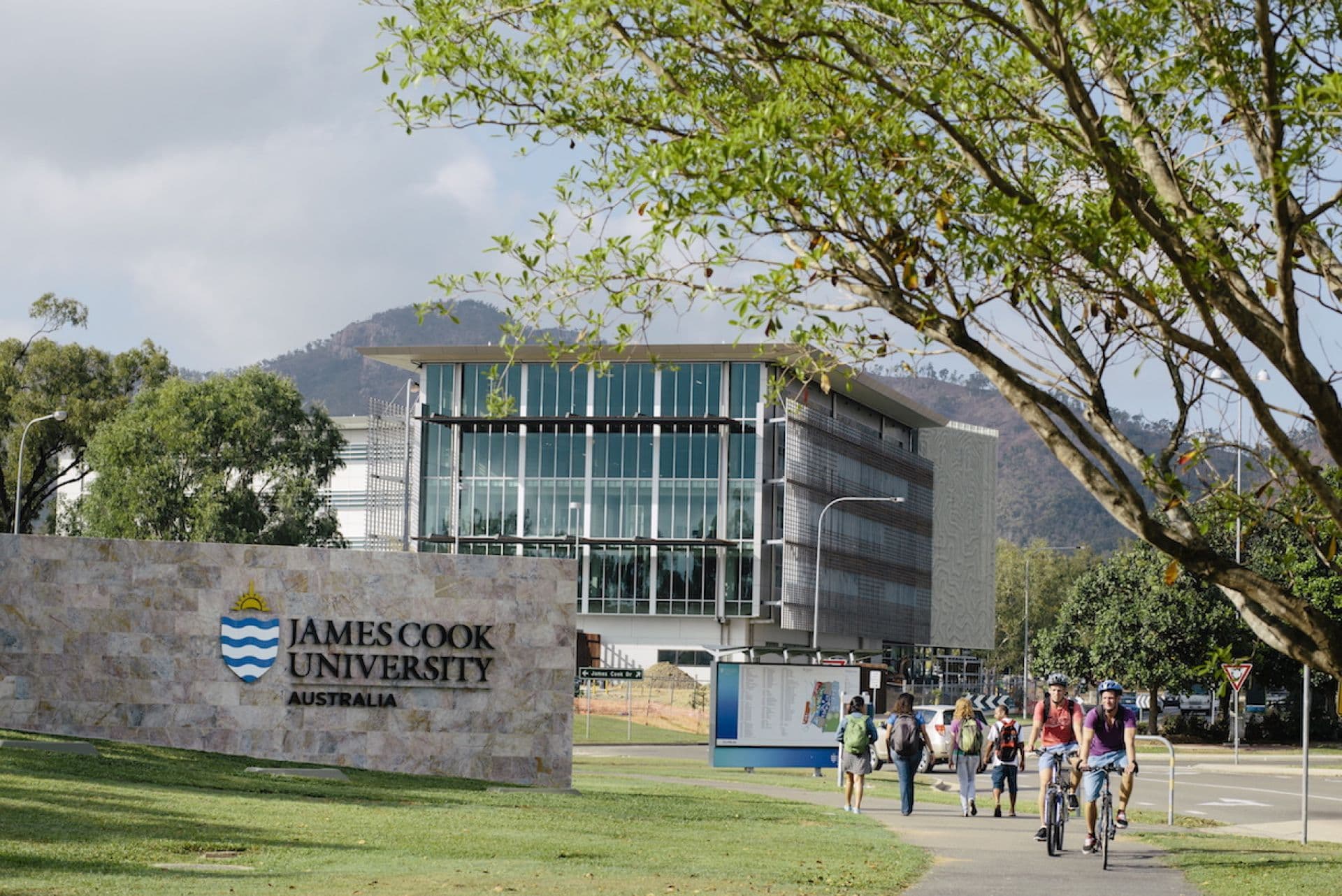
James Cook University (JCU) in Townsville stands out for its strong focus on tropical, rural, and Indigenous health. The institution's Bachelor of Physiotherapy program emphasizes practical skills tailored to the unique needs of northern Australia. Students gain hands-on experience through clinical placements in regional settings, preparing them for real-world challenges in remote communities.
This approach addresses the well-documented maldistribution of the physiotherapy workforce. Recent data shows that while the national registered physiotherapist numbers exceed 47,000, the majority practice in metropolitan areas. Regional shortages lead to longer wait times and limited access to care for many Australians.
Higher education institutions across Australia are actively recruiting qualified academics to support expanding allied health programs. Lecturer positions in physiotherapy combine teaching responsibilities with opportunities for research and community engagement.
At JCU, a full-time continuing Lecturer role in Physiotherapy is currently available in Townsville. The position offers Academic Level B salary ranging from $109,791 to $129,547 plus 17% superannuation and additional benefits including flexible work arrangements and professional development support.
Candidates with clinical experience, eligibility for registration with the Physiotherapy Board of Australia through AHPRA, and a passion for educating future practitioners are encouraged to apply. Experience in rural and remote practice is highly desirable, aligning with JCU's mission to improve health outcomes in northern Queensland and beyond.
The role involves coordinating and delivering undergraduate subjects, developing innovative curriculum, mentoring students, and contributing to scholarship activities. Successful applicants will join a multidisciplinary team within the College of Healthcare Sciences, collaborating with experts in occupational therapy, speech pathology, nursing, and sport and exercise science.
Townsville provides an exceptional lifestyle for professionals seeking balance between career and personal life. With more than 300 days of sunshine annually, residents enjoy access to pristine beaches, national parks, and the nearby Magnetic Island for weekend escapes.
The city features affordable housing, excellent schools, and a welcoming community atmosphere. Commuting is straightforward, leaving more time for family, outdoor activities, and professional growth. Many academics appreciate the strong sense of connection to the region while contributing directly to local health improvements.
JCU's location within a tropical health and knowledge precinct further enhances opportunities for collaboration with hospitals, community health services, and Indigenous organizations. This environment fosters meaningful partnerships that extend classroom learning into tangible community benefits.
Successful candidates will engage in high-quality teaching across physiotherapy subjects, focusing on evidence-based practice and contemporary clinical skills. Curriculum innovation is encouraged, particularly in areas addressing rural health challenges and cultural competence.
Student support extends beyond lectures to include academic advising and pastoral care, helping learners navigate the demands of a rigorous professional program. Opportunities also exist for supervising honours or postgraduate research students.
Service and governance activities within the discipline and college allow academics to influence program direction and university policies. Engagement with external stakeholders strengthens industry links and ensures teaching remains relevant to evolving healthcare needs.
Research and scholarship form an integral part of the position. Academics can pursue projects aligned with JCU's priorities in regional health, potentially securing funding or publishing findings that advance physiotherapy practice in tropical environments.
Physiotherapy ranks among Australia's top occupations in demand. Workforce data highlights persistent gaps in regional areas, where retention challenges compound recruitment difficulties. Universities like JCU respond by prioritizing training programs that prepare graduates for these settings.
Graduates from JCU's accredited program are well-positioned for careers in hospitals, private practice, community health, aged care, and sports organizations. The curriculum incorporates substantial practical components from the first year, building confidence and competence in diverse environments.
By investing in academic positions, institutions ensure sustainable pipelines of skilled practitioners. This supports broader national goals of equitable healthcare access, particularly for Indigenous populations and those in remote locations.
JCU offers a supportive environment for career progression. Academics benefit from competitive remuneration, generous leave entitlements, salary packaging options, and access to wellbeing programs.
Professional development opportunities include workshops, conferences, and internal funding schemes. Collaborative teams foster innovation while respecting work-life balance through flexible arrangements.
The university's commitment to regional impact resonates with many academics who seek purpose-driven careers. Contributing to improved health outcomes in northern Australia provides lasting professional satisfaction.
Interested candidates should prepare a comprehensive application including a current resume and a cover letter detailing relevant experience and alignment with the role criteria. Applications are submitted online via the JCU careers portal.
Key selection criteria emphasize clinical background, communication skills, and commitment to teaching excellence. Postgraduate qualifications or demonstrated experience in physiotherapy education strengthen applications for Level B appointments.
Prospective applicants may contact Associate Professor Anne Jones for further information. Early preparation allows time to gather supporting evidence of teaching effectiveness and research potential.
Universities nationwide are expanding allied health offerings in response to workforce projections. New programs and increased intakes aim to alleviate shortages while maintaining high standards of accreditation through bodies like the Australian Physiotherapy Council.
Academic roles provide pathways for experienced clinicians to transition into education, influencing future practice standards. This shift supports lifelong learning and knowledge transfer within the profession.
Regional universities offer distinct advantages, including closer community ties and reduced competition for leadership opportunities compared to larger metropolitan institutions.

As healthcare demands evolve with technological advances and demographic shifts, the need for innovative educators will intensify. Academics who embrace interprofessional learning and digital tools will be particularly valuable.
JCU continues to position itself as a leader in tropical and regional health education. Expanding academic teams ensures the university can scale its impact while nurturing the next wave of physiotherapists.
For professionals considering a move into higher education, now represents an opportune moment. Positions like the one at JCU combine stability with meaningful contribution to addressing national health priorities.
Building a strong profile involves gaining diverse clinical experience, pursuing further qualifications if needed, and developing teaching capabilities through casual tutoring or workshops. Networking within professional associations opens doors to opportunities.
Understanding regional contexts and demonstrating cultural awareness enhances suitability for roles focused on rural and Indigenous health. Portfolios showcasing curriculum contributions or student outcomes add weight to applications.
Exploring resources on academic career development can provide additional guidance for those transitioning from clinical practice.


.jpg&w=128&q=75)