


Top Job

 Our Network at WorkTell 6 colleagues about this opportunityBe our brand ambassadorAcademicConnect keeps your contacts updated on the progress of job openings
This Job currently has 0 connections. Start sharing below!
Your details
Invitees Details
A Timely Opportunity to Advance Education and Practice in Australian Radiation Therapy
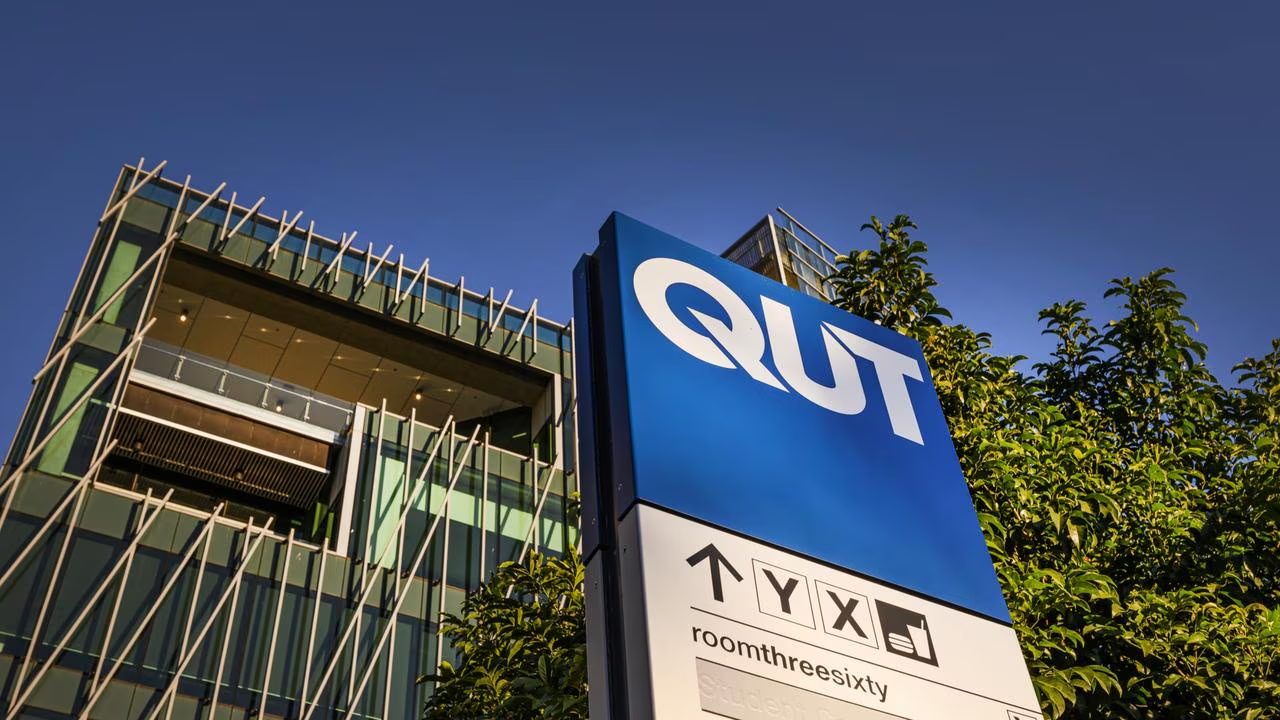
Radiation therapy plays a vital role in modern cancer treatment across Australia, delivering precise, targeted doses of radiation to destroy cancer cells while sparing healthy tissue. As cancer incidence continues to rise due to an aging population and improved detection methods, the need for highly trained radiation therapists has never been greater. Universities like Queensland University of Technology (QUT) are at the forefront of preparing the next generation of professionals through specialised programs that combine rigorous academic study with extensive clinical placements.
QUT stands out as the provider of Queensland’s only dedicated university-level qualification in this field. The Bachelor of Radiation Therapy equips graduates with the skills to plan and deliver complex treatments, offer compassionate patient care, and adapt to rapidly evolving technologies such as advanced imaging and treatment planning systems. This program emphasises real-world readiness, ensuring students graduate ready to contribute immediately to clinical teams in hospitals and cancer centres nationwide.
Experienced radiation therapists often reach a point in their clinical careers where they seek to influence the profession on a broader scale. Transitioning into academia allows them to mentor students, lead research that advances clinical practice, and contribute to curriculum development that keeps pace with technological innovations. Positions at the lecturer or senior lecturer level provide the perfect platform for this shift, blending teaching excellence with opportunities for impactful research and professional leadership.
At institutions such as QUT, these roles are embedded within the School of Clinical Sciences in the Faculty of Health. The school brings together disciplines including medical radiation sciences, optometry, paramedicine, pharmacy, podiatry, and radiation therapy. This multidisciplinary environment fosters collaboration and exposes students to integrated approaches to patient care that mirror real healthcare settings.
An ongoing full-time position is currently available for a Lecturer or Senior Lecturer in Radiation Therapy at QUT’s Gardens Point campus. The role offers competitive remuneration packages that reflect the seniority and expertise required. Depending on the level appointed, successful candidates can expect packages inclusive of salary, superannuation, and leave loading that support a strong work-life balance and long-term career security.
Core responsibilities include delivering high-quality, evidence-based teaching across undergraduate radiation therapy courses. This encompasses lectures, tutorials, practical sessions, and clinical supervision. The successful appointee will demonstrate a deep understanding of contemporary Australian radiation therapy practice, including CT simulation, sophisticated treatment planning, and the full spectrum of delivery techniques. Research output and the ability to supervise higher-degree students are also key expectations, ensuring the translation of new knowledge into improved educational and clinical outcomes.
Applicants must hold a doctoral qualification in a relevant discipline and maintain current registration or eligibility with the Medical Radiation Practice Board of Australia. A proven track record of innovative teaching, high-impact research, and successful collaborations with industry partners will strengthen any application. The position is open to candidates with ongoing full-time work rights in Australia, and Aboriginal and Torres Strait Islander applicants are particularly encouraged in line with QUT’s commitment to Indigenous success.
QUT prides itself on creating an environment where staff can thrive both professionally and personally. Benefits include flexible work arrangements that blend on-campus and remote activities where appropriate, generous parental leave provisions, and access to health and fitness programs such as Fitness Passport. Additional perks encompass salary packaging options, professional development opportunities, and study assistance schemes that encourage continuous learning.
The university’s values of ambition, integrity, inclusiveness, innovation, and academic freedom underpin a supportive culture. Staff enjoy opportunities to engage with the Indigenous Australian Staff Network and participate in cultural and ceremonial leave. Diversity is actively celebrated, with initiatives designed to ensure everyone feels valued and able to contribute their best work.
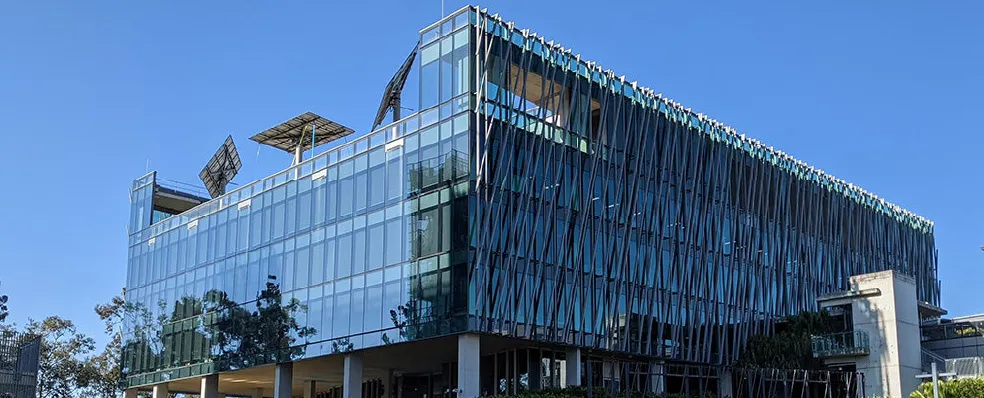
Australia’s radiation therapy workforce faces ongoing pressures from increasing cancer diagnoses and advancements in treatment technologies. Projections have historically indicated shortfalls in qualified practitioners, a situation that underscores the importance of robust university programs and dedicated educators. By joining the academic team at QUT, the new lecturer or senior lecturer will directly address these challenges by inspiring and equipping students to meet future service demands.
The profession continues to evolve with greater integration of artificial intelligence for treatment planning, adaptive radiotherapy techniques, and expanded roles for advanced practice radiation therapists. Academics play a pivotal part in preparing graduates for these developments while also contributing research that refines clinical protocols and improves patient outcomes across the country.
Many clinicians wonder about the best pathway from bedside or treatment console to lecture theatre. The key lies in building a portfolio that demonstrates both clinical excellence and educational aptitude. This might include contributing to student placements during clinical work, presenting at conferences, publishing case studies or research, or undertaking formal qualifications in education or research methodologies.
Successful applicants to roles like the one at QUT typically highlight their passion for knowledge sharing and their ability to bridge theory with practice. They show evidence of mentoring junior colleagues, developing training materials, or participating in quality improvement initiatives. QUT values candidates who can establish partnerships with clinical sites, ensuring curricula remain relevant and students receive optimal work-integrated learning experiences.
Interested candidates should prepare a comprehensive application that addresses each of the selection criteria in detail. This includes outlining teaching philosophy, research achievements, and vision for contributing to the radiation therapy program and broader faculty goals. Applications are submitted through the QUT recruitment portal, and the position closes on 24 May 2026 at 11:30 pm.
Given the tight timeframe, prospective applicants are encouraged to review the full position description available on the QUT careers site and prepare supporting documents such as a curriculum vitae, teaching portfolio, and statements addressing the key criteria without delay. Early preparation can make a significant difference in presenting a compelling case.
Academic roles in health-related fields offer unique rewards, including the satisfaction of shaping future practitioners who will directly impact patient lives. Beyond teaching and research, these positions often involve service to the university through committee work, curriculum review, and community engagement. For those with a clinical background, the move to academia can also open doors to consultancy, expert witness roles, or leadership in professional associations.
Institutions across Australia continue to seek educators who can deliver contemporary, student-centred learning while advancing the evidence base of their disciplines. The current opportunity at QUT exemplifies the type of stable, well-supported position that allows experienced professionals to make a lasting contribution to both education and healthcare delivery.
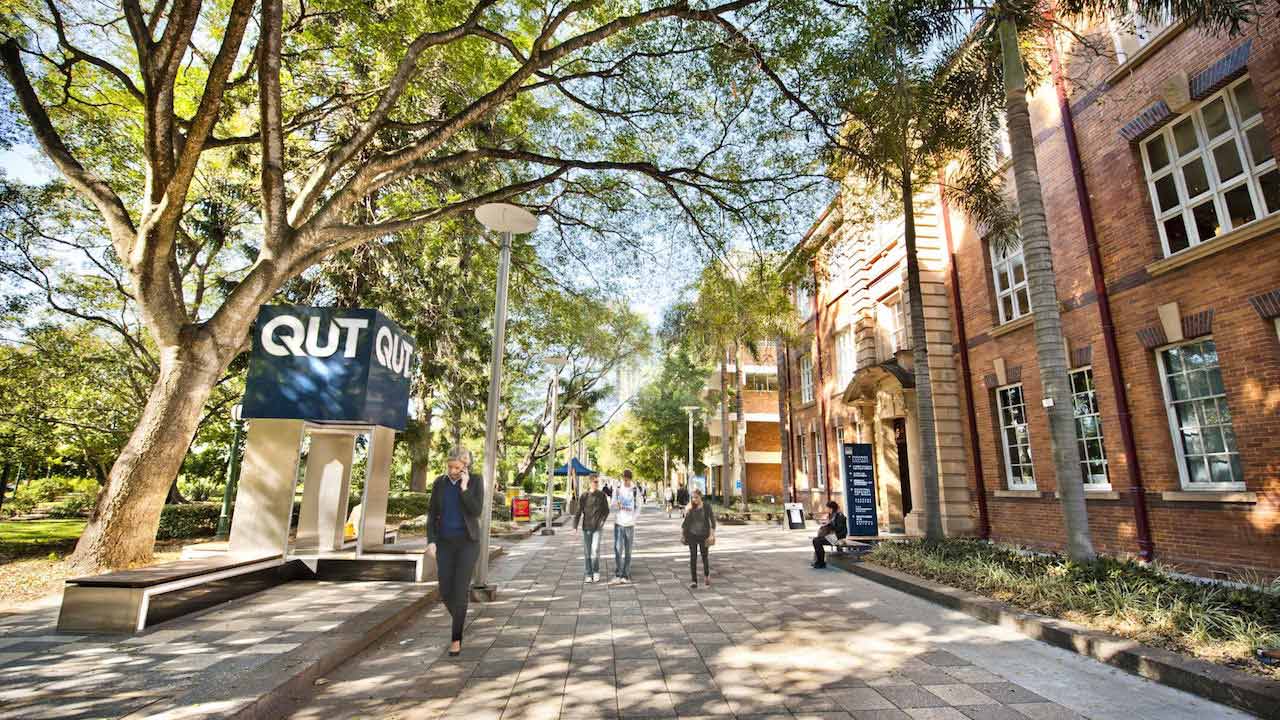
The outlook for radiation therapy professionals and their educators remains strong. Continued investment in cancer services, technological progress, and a focus on personalised medicine will sustain demand for skilled graduates. Universities will increasingly rely on passionate academics to ensure programs produce adaptable, lifelong learners ready for advanced practice and leadership roles.
For individuals considering this career step, now is an opportune moment to explore positions that align clinical expertise with educational impact. Roles such as the Lecturer/Senior Lecturer in Radiation Therapy at QUT represent gateways to fulfilling careers that extend influence far beyond individual patient interactions.
