Most global faculty job ads waste your time before you reach the second sentence.
Hanyang University's current international recruitment posting is not one of them. It advertises multiple professor and faculty positions at once, across the Seoul and ERICA campuses, with a single application route built for candidates outside Korea. That changes the application math.
You are not chasing one department's shortlist. You are entering a broader hiring pool, which means your materials need to speak to more than one hiring committee at the same time.
The listing, stripped of boilerplate
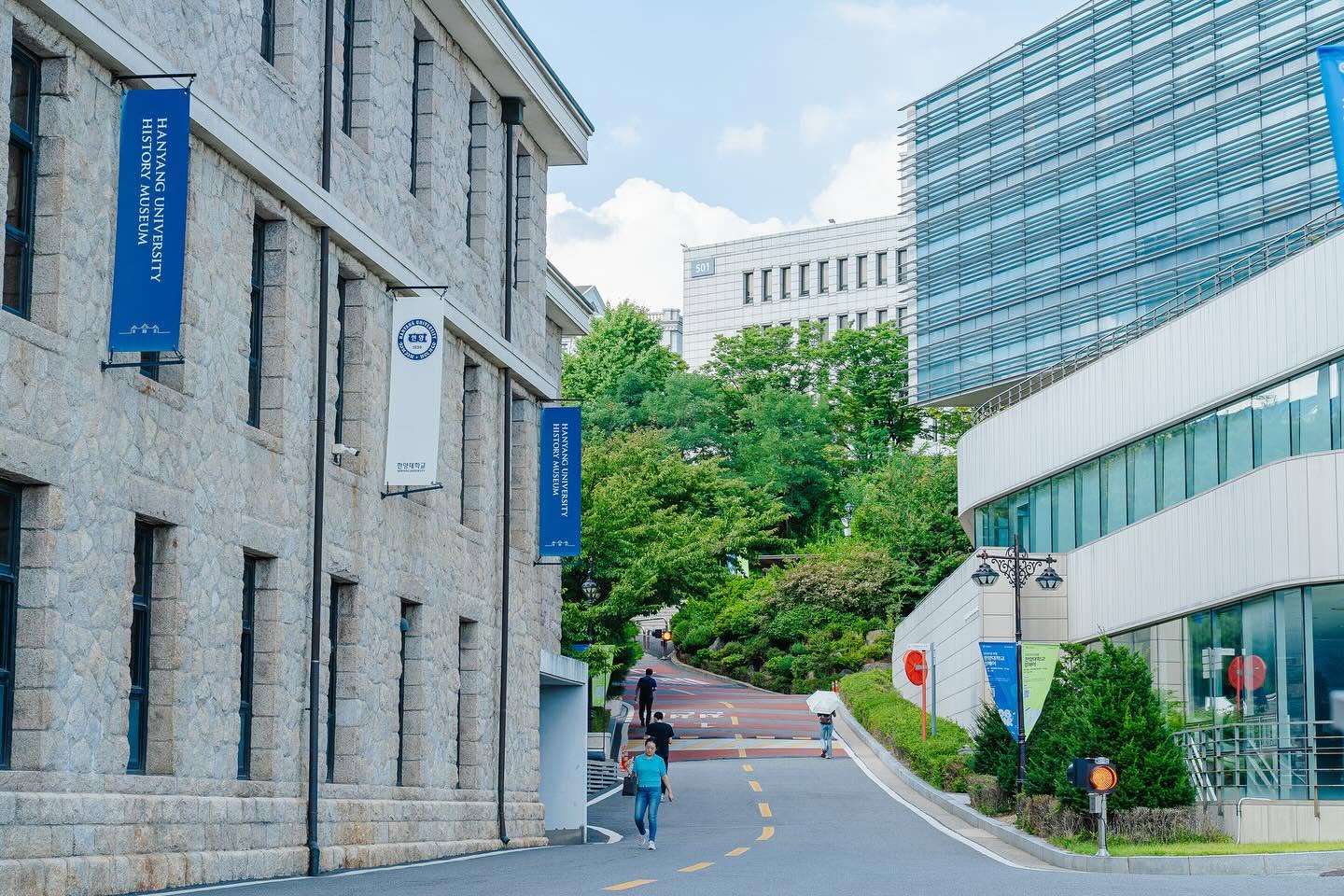
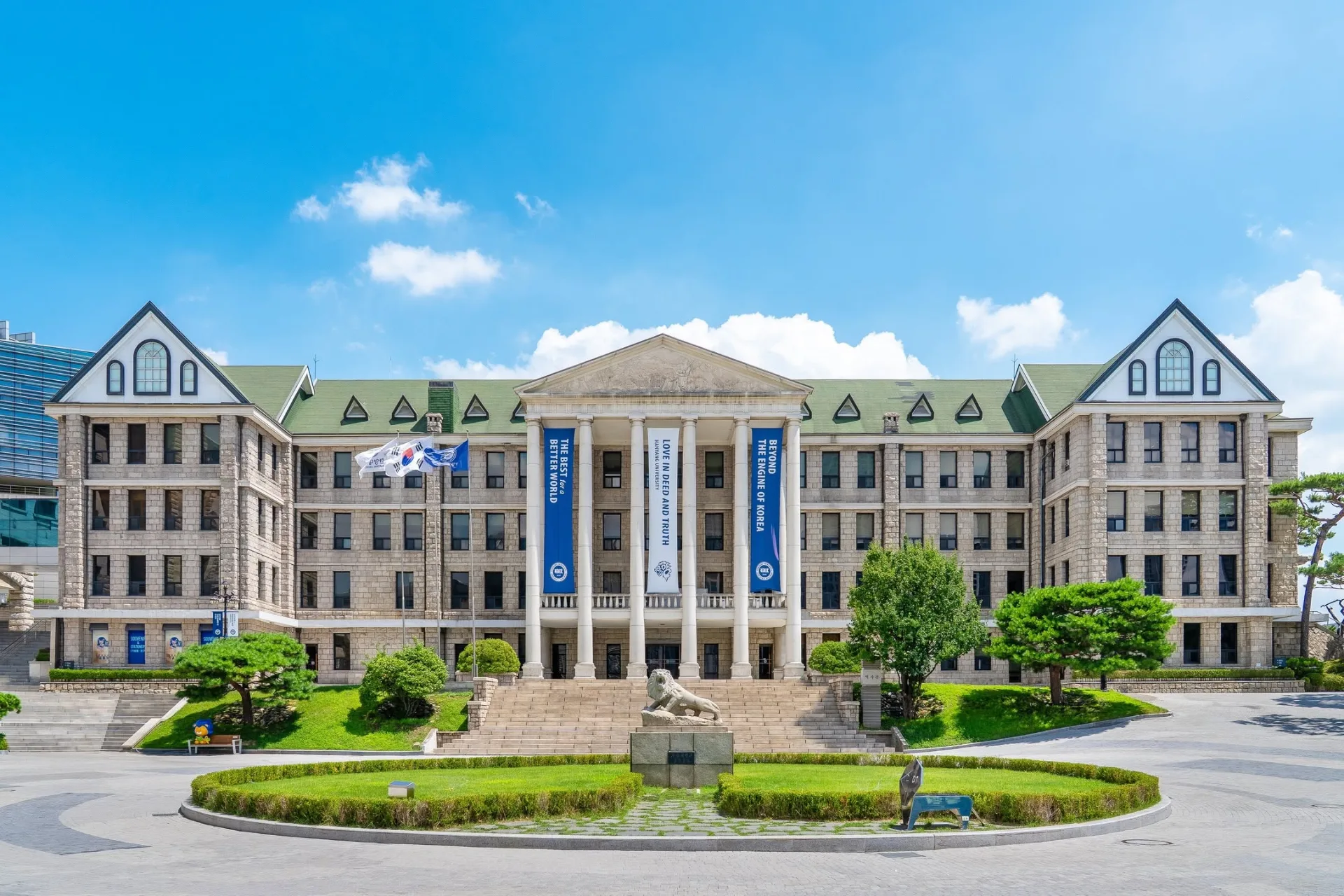
The posting appears on AcademicJobs and links to an international faculty recruitment page. Hanyang University is a private research university in South Korea, founded in 1939 as an engineering institute and now operating two main campuses: Seoul and ERICA (Education Research Industry Cluster at Ansan) in Ansan. Engineering, business, technology, and applied natural sciences have historically anchored its research reputation.
The Seoul campus sits in the city's northeastern Seongdong district, close to industry and government research institutes. ERICA, in Ansan, is a short train ride from central Seoul and hosts a large share of the university's applied science and industry-linked programs. If the posting does not say which campus a role sits on, ask before you commit to a teaching statement built around one location.
Multiple positions means multiple departments may be reading the same application. Treat the search committee less like a single audience and more like a group of different readers who need a sharp one-page research summary and a teaching statement that works for both Korean and international classrooms.
One detail stands out: the application URL in the listing routes through a GitHub Pages address, a developer-focused web hosting service. That is unusual for a university recruitment portal. It does not make the posting false, but it does make verification non-negotiable before you submit personal documents, references, research files, or current visa status.
Check the official channel before you upload
Go to the official Hanyang University English site and look for the faculty recruitment section. If the official page shows the same openings or links to the same portal, proceed. If it does not, contact the university's international affairs office and ask for confirmation in writing.
This is not caution for caution's sake. A hiring portal collects your academic history, passport details, reference contacts, and current visa status. Sending that to an unverified page is the academic equivalent of wiring a deposit before seeing the lease.
The GitHub Pages address may simply be a lightweight microsite that a department or recruitment contractor built because university web updates move slowly. It may also be an old link that outlived the official portal. Either way, the official site should match or supersede it.
The full AcademicJobs listing includes the recruitment link and is a useful cross-reference, but the university's own domain should remain your source of truth.
What strong applications include
For a multi-position international call, your application has to do two jobs. It must meet the formal eligibility rules, and it must make a committee want to spend more than three minutes on your file.
- Research statement: describe one clear problem, your method, which specific Hanyang lab or centre fits the work, and one collaborator you have read.
- Teaching statement: give one concrete example of a course you have taught or could teach, including how you would adapt it for students who speak English as a second language.
- Evidence of output: link to an online repository or researcher profile rather than attaching a long publication list in the first message.
- Referee list: choose three referees who can speak to different parts of your record, not three who will repeat the same praise.
Use the CV advice on how to write a winning academic CV before you hit submit. A clean, searchable CV helps committees in Korea and elsewhere move faster.
Documents the committee will actually read
Korean hiring committees tend to move in a specific order: degree certificates, research output, teaching evidence, and external funding record. Put the most recent degree and visa-relevant documents first. Korean universities often ask for degree apostilles or consular verification at the offer stage, not at application. If you know which requirements apply to your country, gathering those documents now saves weeks later.
The research plan matters more than the cover letter. Write it as a two-page plan with a clear problem, a timeline, and a named funding source you would pursue. Committees want to see that you can produce work in Korea, not that you have a list of past achievements.
What happens after you submit
Korean universities often run multi-stage reviews: document screening, department-level interview, a campus visit or online seminar, and often a final meeting with the dean. Timelines can stretch, but strong candidates with competing offers can sometimes push for an early decision by asking the department contact directly.
The posting's multiple-position format can work in your favour. If one department passes, another may still see your file. Ask the contact person whether applications are shared across departments or held within a single school. The answer tells you whether to tailor one application or send separate materials to each department.
Timing is part of your application
International faculty searches in Korea often run on academic-year cycles, with advertisements posted in spring for autumn start dates or in autumn for the following March. If the posting does not list a closing date, email the contact and ask. Do not let an open-ended posting become a reason to delay.
Send your application in the first two weeks after the official page confirms the opening. Early files get read when committee energy is highest, and you can still update documents later if you ask.
Why South Korean universities are recruiting internationally
South Korea's university-age population has fallen for years, and institutions have responded by recruiting more international students and faculty. Hanyang University appears in global rankings such as the QS World University Rankings profile, and its English-language pages signal the same outward turn. The government's Study in Korea portal documents the broader policy push.
For candidates, that means the institution is set up for international hires: English-taught programs, visa sponsorship support, research expectations written for a global academic market, and administrative help with relocation. It also means you are competing against candidates from Europe, North America, elsewhere in Asia, and candidates already working in Korea, so localise your materials without hiding your international record.
Ask about money early, but after the first interview
Compensation details rarely appear in a broad international posting because they are set by department and rank. The practical rule is to ask for a written offer breakdown after the first substantive interview, not before. By then the committee has invested time in you, and you will get a more honest answer about housing allowance, research start-up funds, relocation support, and health insurance.
If the contact person will not give a salary range, ask about the contract category: fixed-term or tenure-track. That single distinction changes the risk calculation more than any bonus.
One habit that slows down every application
Candidates obsess over the cover letter and ignore the reference process. In a multi-position call, a missing or vague referee response can stall your file even when your research record is strong. Contact your referees before you submit, tell them which departments might call, and give each one a one-line note about why Hanyang specifically matches your work.
Do the same for your current visa status if you have one. Korean universities can process sponsorship, but they need accurate dates and document copies. Having those ready shortens the gap between an offer and a start date.
This week's move
Open the official Hanyang recruitment page, find the contact person for your target department, and send one short email asking how long the committee expects to take from application to first interview. That single question tells you whether this process respects your time before you invest more of it.