




Senior Academic Opportunity in Urban and Regional Planning Systems at QUT
Shape the Future of Australian Cities Through Teaching and Research Excellence
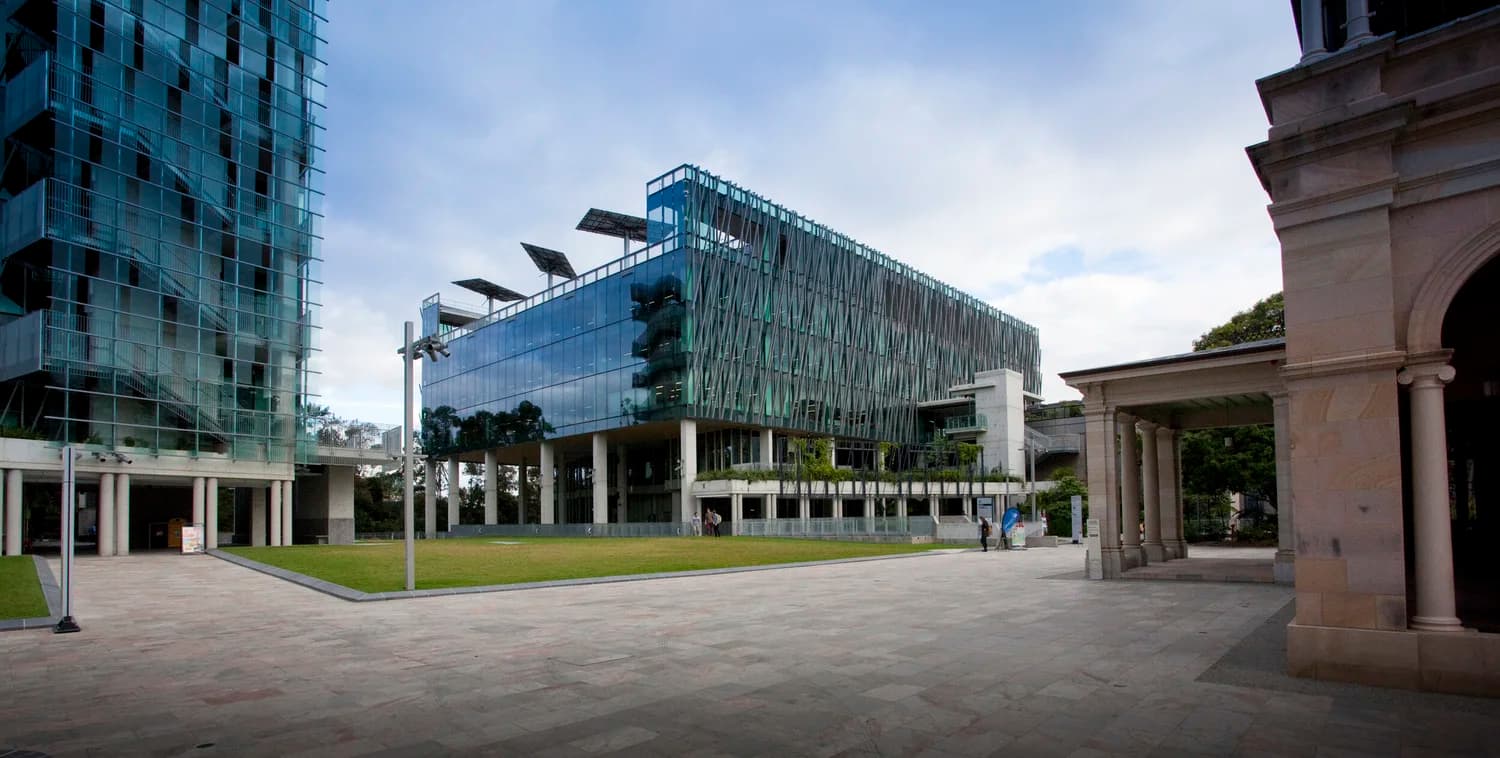
Advancing Urban Futures Through Academic Leadership at QUT
Australia's cities and regions face unprecedented pressures from rapid population growth, climate change, housing shortages, and the need for sustainable infrastructure. In this dynamic environment, academic positions that combine teaching excellence with cutting-edge research play a vital role in shaping the next generation of planners and advancing knowledge in urban and regional planning systems. Queensland University of Technology (QUT) has opened applications for a Senior Lecturer or Associate Professor role focused on these systems, offering an opportunity to contribute directly to solutions that will define how communities live, work, and thrive in the decades ahead.
QUT's School of Architecture and Built Environment stands at the forefront of these efforts. The institution prepares students for careers in planning through programs like the Bachelor of Built Environment (Honours) in Urban and Regional Planning, where learners engage with real-world projects, advanced theory, and ethical considerations. Faculty members bring expertise in areas ranging from strategic land use to environmental resilience, ensuring graduates are equipped to address complex challenges such as coordinating infrastructure with population needs and integrating technology into decision-making processes.
The Growing Demand for Expertise in Urban and Regional Planning Systems
Urban and regional planning systems encompass the frameworks, policies, tools, and processes used to guide development across cities, suburbs, and rural areas. These systems integrate economic, social, environmental, and governance factors to create balanced outcomes. In Australia, demand for skilled professionals in this field continues to rise sharply. Projections indicate the number of urban and regional planning roles will reach 16,200 by 2026, reflecting an 18.6 percent increase from 2021 levels. This growth stems from urgent priorities including boosting housing supply, adapting to climate impacts, and delivering major events infrastructure such as preparations for the Brisbane 2032 Olympic and Paralympic Games.
Many planning organisations report difficulties filling positions, with nearly two-thirds facing recruitment challenges. This shortage affects the timely delivery of housing projects, sustainable development initiatives, and responses to emerging issues like digital transformation in planning practices. Academic leaders help bridge this gap by training new talent while conducting research that informs better policies and innovative tools.
QUT's Strengths in Research and Education for Planning Systems
QUT distinguishes itself through its focus on practical, forward-looking approaches. The university's programs emphasise real-world application, including student involvement in projects with local government partners. Faculty research often explores how technology can enhance planning outcomes, such as using data analytics for better forecasting or developing strategies for resilient communities.
Prominent researchers at the institution contribute to national and international conversations on smart cities, sustainability, and urban innovation. Their work supports industries and governments in creating more adaptable planning strategies. This environment provides an ideal setting for a senior academic to expand their influence through teaching, supervision of higher-degree research students, and collaborative projects that address both Australian and global challenges.
Key Responsibilities and Opportunities in the Role
The Senior Lecturer or Associate Professor position involves a balanced portfolio of teaching, research, and service. Responsibilities typically include delivering engaging courses on planning theory, systems analysis, and contemporary issues; mentoring undergraduate and postgraduate students; and leading or contributing to research initiatives that produce impactful publications and grants.
Candidates would have scope to shape curriculum around emerging areas such as artificial intelligence applications in land-use modelling, climate-responsive design, or integrated regional development frameworks. The role also supports engagement with industry bodies and government agencies, fostering partnerships that translate academic insights into practical improvements for communities across Queensland and beyond.
Success in the position requires demonstrated excellence in research outputs, a track record of securing funding, and experience in high-quality teaching. The continuing, full-time nature of the appointment offers stability to build long-term programs that influence both students and the broader profession.
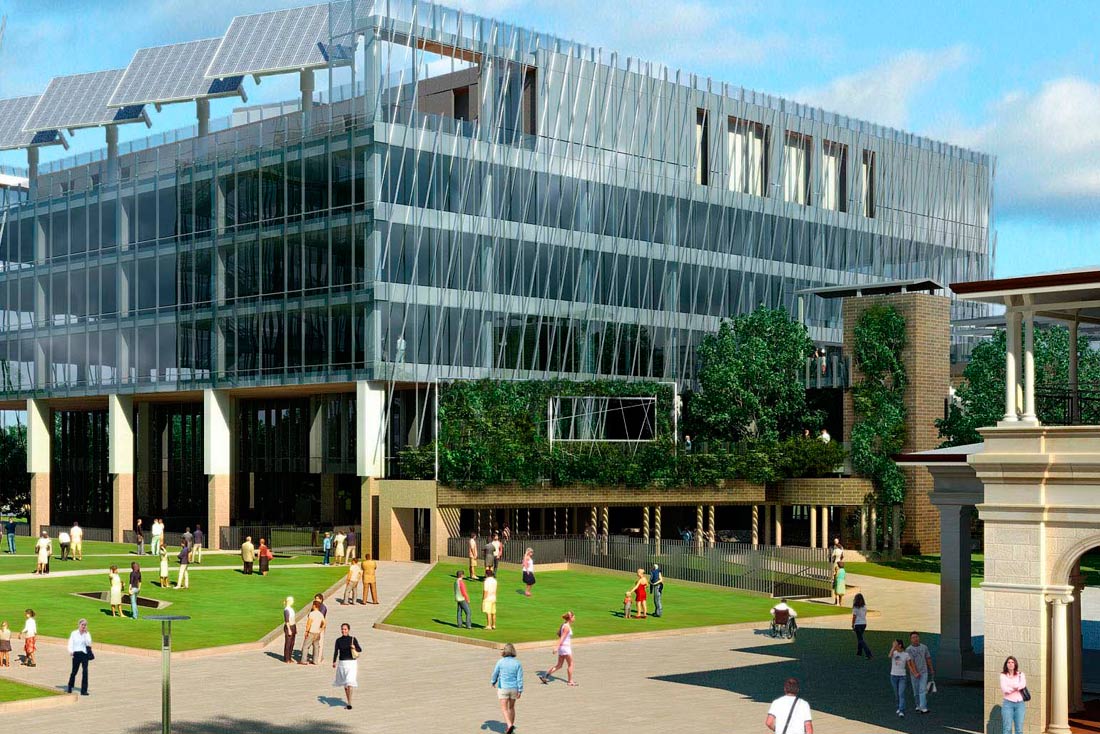
Addressing National Challenges Through Planning Education and Research
Australia's planning sector grapples with interconnected issues. Housing affordability remains a pressing concern, requiring coordinated approaches to land supply, zoning reforms, and infrastructure timing. Climate adaptation demands planners who understand risk assessment, green infrastructure, and community resilience strategies. Regional areas face unique pressures from economic transitions, population shifts, and environmental management.
Academic roles like the one at QUT contribute solutions by developing new knowledge and preparing professionals who can navigate these complexities. Research in planning systems often examines governance models, stakeholder engagement processes, and evaluation methods that lead to more equitable and effective outcomes. By focusing on systems thinking, scholars help move beyond siloed approaches toward holistic strategies that consider long-term implications.
Emerging Trends Shaping the Future of Urban and Regional Planning
Several trends are transforming the field. Digital tools, including modelling software and digital twins, enable planners to simulate scenarios and test interventions before implementation. Artificial intelligence supports classification of development applications and optimisation of resource allocation. Sustainability frameworks increasingly incorporate net-zero targets, circular economy principles, and biodiversity considerations.
Events like major sporting games accelerate infrastructure planning, while national policy discussions emphasise coordinated urban growth. Professional bodies highlight the need for planners skilled in both traditional statutory processes and innovative, technology-enabled approaches. Senior academics play a key role in integrating these trends into education and research agendas.
Perspectives from Stakeholders in Australian Planning
Industry leaders, government officials, and community representatives all emphasise the value of strong academic involvement. Planning organisations note that universities supply essential talent pipelines while generating evidence-based insights that inform policy. Researchers bring fresh perspectives on complex problems, often collaborating across disciplines such as architecture, engineering, environmental science, and data analytics.
Students and early-career professionals benefit from exposure to active researchers who model best practices in inquiry and application. This ecosystem supports continuous improvement in how planning systems address equity, environmental protection, and economic vitality.
Implications for Career Development and the Profession
Joining QUT as a senior academic offers significant professional growth. The position provides access to established research groups, international networks, and resources for impactful work. It also positions the successful candidate to influence national conversations on planning education standards and research priorities.
For the broader profession, such appointments strengthen the capacity of Australian universities to produce graduates ready for the evolving demands of the workforce. They also enhance the country's reputation in global planning scholarship, contributing to knowledge exchange on issues relevant to both developed and developing contexts.
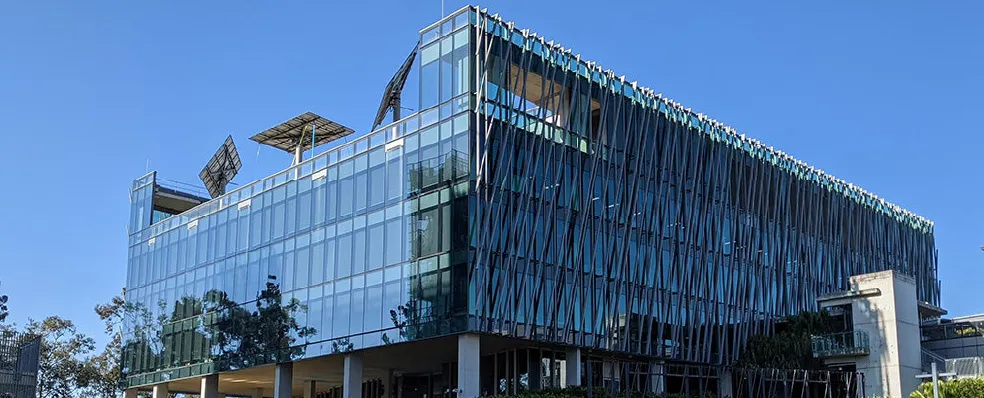
Future Outlook and Actionable Pathways
Looking ahead, urban and regional planning systems will become even more central to achieving sustainable development goals. Continued investment in academic positions ensures the field remains dynamic and responsive. Individuals considering this opportunity can prepare by reviewing their research portfolio, reflecting on teaching innovations, and identifying potential collaborative projects aligned with QUT's strengths.
Those interested in similar roles elsewhere in Australia can explore opportunities through dedicated higher education job platforms that aggregate listings from universities across the country. Staying informed about sector trends through professional associations supports ongoing development.
Why This Opportunity Matters Now
The timing of this academic appointment aligns with critical national needs. With population pressures mounting and sustainability imperatives growing, experienced leaders in planning systems are essential. QUT's location in Brisbane, a city undergoing significant transformation, adds practical relevance to research and teaching activities.
By attracting top talent to this role, the university reinforces its commitment to excellence in built environment education and research. The position represents more than a job; it is an invitation to help shape the systems that will guide Australia's urban and regional development for years to come.