Understanding the Growing Demand for Sonography Education in US Colleges
Diagnostic medical sonography, often referred to as ultrasound technology, plays a vital role in modern healthcare by providing non-invasive imaging that helps diagnose and monitor a wide range of medical conditions. As healthcare needs expand across the United States, colleges and universities are ramping up their allied health programs to train the next generation of skilled sonographers. This surge creates exciting opportunities for experienced professionals to transition into academic roles, particularly as program directors and instructors who shape curricula, oversee clinical training, and ensure accreditation standards are met.
The field benefits from technological advancements in ultrasound equipment and an aging population that requires more diagnostic procedures. Institutions like community colleges and state universities are responding by developing or expanding dedicated sonography tracks within their health sciences divisions. These programs combine classroom instruction with extensive hands-on clinical rotations, preparing graduates for certification and entry into a rewarding career path.
What Makes a Sonography Program Director/Instructor Role Unique
A Sonography Program Director/Instructor position combines leadership responsibilities with direct teaching duties. In this dual role, the professional oversees the entire diagnostic medical sonography program, ensuring it meets rigorous standards set by accrediting bodies while also delivering lectures, labs, and clinical supervision to students. Key duties typically include curriculum development, faculty coordination, student advising, maintaining compliance with accreditation requirements, and fostering partnerships with local healthcare facilities for clinical placements.
Unlike purely clinical sonographer positions, this academic role allows individuals to influence the profession at a broader level by mentoring future practitioners and contributing to educational best practices. It suits those with a passion for both patient care and teaching, offering a meaningful way to give back while advancing their own careers in higher education settings.
Key Qualifications and Skills for Success in Sonography Faculty Positions
Successful candidates for these roles usually hold current credentials such as Registered Diagnostic Medical Sonographer (RDMS) through the American Registry for Diagnostic Medical Sonography (ARDMS). Many programs prefer or require a master's degree in sonography, education, or a related healthcare field, along with several years of clinical experience in areas like abdominal, obstetric, gynecologic, or vascular sonography.
Teaching experience, whether in clinical preceptorship or formal classroom settings, is highly valued. Strong communication skills, organizational abilities, and familiarity with accreditation processes are essential. Program directors often need leadership qualities to manage budgets, recruit faculty, and ensure student outcomes meet or exceed national benchmarks.
- Clinical expertise across multiple sonography specialties
- Knowledge of CAAHEP accreditation standards and processes
- Experience with simulation technology and modern ultrasound equipment
- Commitment to diversity, equity, and inclusion in healthcare education
The Current Landscape of Allied Health Faculty Hiring in US Higher Education
Colleges across the country are actively seeking qualified sonography educators to meet rising enrollment in health professions programs. Recent job postings highlight openings for both full-time directors and adjunct instructors, reflecting the need for flexible staffing models in growing departments. This demand stems from broader trends in healthcare workforce development, where educational institutions serve as critical pipelines for certified professionals.
State colleges in regions like the Pacific Northwest are particularly focused on building robust programs to serve rural and underserved communities. These positions often come with competitive compensation packages that reflect the specialized expertise required, along with opportunities for professional development and involvement in institutional governance.
Spotlight on Lewis-Clark State College and Its Sonography Initiative
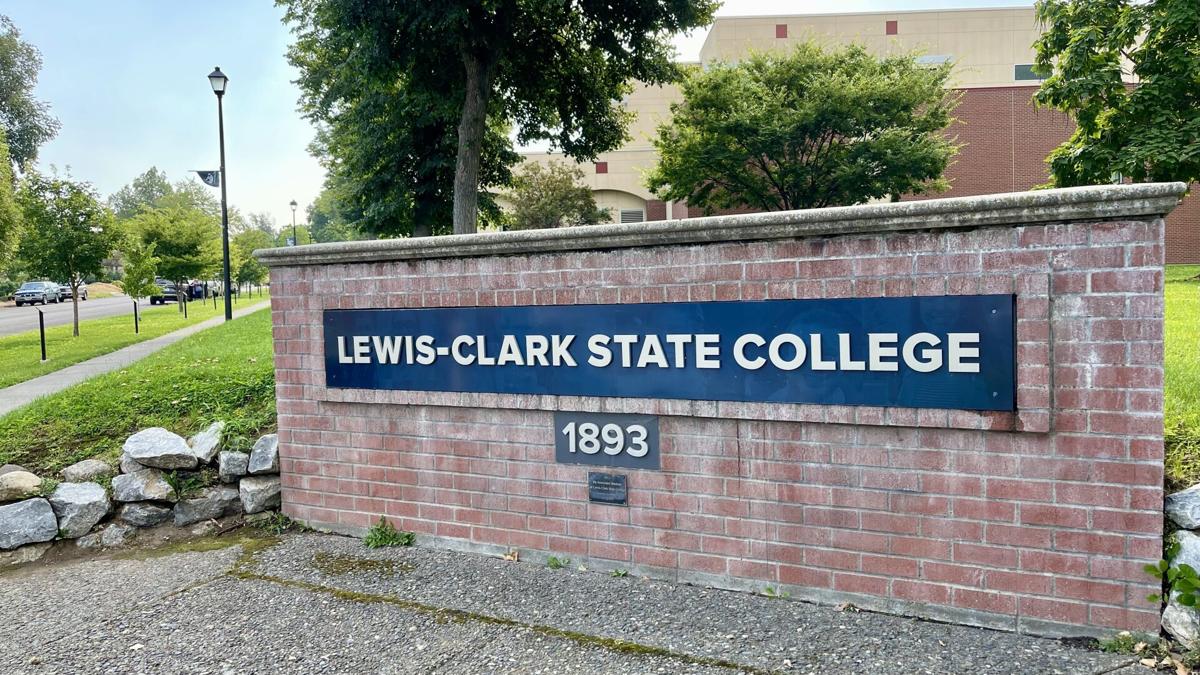
Lewis-Clark State College in Lewiston, Idaho, stands out as a public institution dedicated to accessible higher education with strong ties to regional healthcare needs. The college's health sciences offerings, including radiographic science, provide a foundation for expanding into diagnostic medical sonography training. The new Sonography Program Director/Instructor role represents a strategic investment in launching or enhancing a comprehensive program that prepares students for high-demand careers.
Located in a scenic area with access to both urban and rural clinical sites, LCSC offers an ideal environment for hands-on learning. The position allows the director to build the program from the ground up or refine existing structures, collaborating with local hospitals and clinics to secure high-quality clinical rotations. This opportunity aligns perfectly with the college's mission of serving diverse student populations and addressing workforce shortages in healthcare.
Benefits of Pursuing an Academic Career in Sonography Education
Transitioning to a faculty role offers numerous advantages beyond traditional clinical work. Educators enjoy more predictable schedules, opportunities for research or curriculum innovation, and the satisfaction of shaping future healthcare providers. Many institutions provide support for continuing education, conference attendance, and even tuition assistance for advanced degrees.
Compensation for program directors often exceeds clinical averages, with additional perks such as retirement contributions, health benefits, and paid leave. The role also provides intellectual stimulation through interactions with students and colleagues, along with the ability to influence policy and standards within the sonography community.
Challenges in Sonography Program Development and How Educators Address Them
Building and maintaining high-quality sonography programs involves navigating challenges such as securing adequate clinical sites, keeping pace with rapidly evolving technology, and ensuring equitable access for students from varied backgrounds. Program directors play a pivotal role in overcoming these hurdles by cultivating strong community partnerships and integrating innovative teaching methods like virtual simulation.
Accreditation maintenance requires meticulous documentation and ongoing assessment of student performance. Successful leaders address these demands through collaborative approaches, data-driven decision-making, and a focus on continuous improvement. These efforts ultimately strengthen the pipeline of competent sonographers ready to serve patients effectively.
Future Outlook for Sonography Programs and Faculty Roles
The outlook remains positive as advancements in ultrasound technology, including 3D/4D imaging and point-of-care applications, continue to expand the scope of practice. Educational programs must evolve to incorporate these developments, creating ongoing needs for knowledgeable instructors and directors. Projections indicate sustained growth in allied health education, with institutions prioritizing faculty who bring both clinical excellence and educational leadership.
Emerging trends such as telehealth integration and emphasis on interprofessional education will shape future curricula. Professionals entering these roles now position themselves at the forefront of these changes, contributing to a more skilled and adaptable healthcare workforce.
How to Prepare Your Application for a Sonography Leadership Position
Strong applications highlight a blend of clinical achievements, teaching accomplishments, and vision for program growth. Candidates should prepare detailed portfolios showcasing student outcomes, curriculum contributions, and any leadership experience. Tailoring materials to emphasize alignment with the institution's values and regional healthcare priorities can make a significant difference.
Networking within professional organizations and staying current with industry certifications further strengthens candidacy. Those considering this career move benefit from reviewing sample job descriptions and seeking mentorship from current program directors.
Actionable Steps for Aspiring Sonography Educators
Professionals interested in similar opportunities can begin by assessing their credentials against typical requirements and pursuing any necessary advanced education or certifications. Gaining teaching experience through precepting students or volunteering as a guest lecturer provides valuable preparation. Exploring resources on higher education career paths helps clarify the transition process.
Staying informed about job openings at colleges nationwide allows timely applications. Engaging with communities of practice in sonography education fosters connections that can lead to rewarding positions like the one available at Lewis-Clark State College.