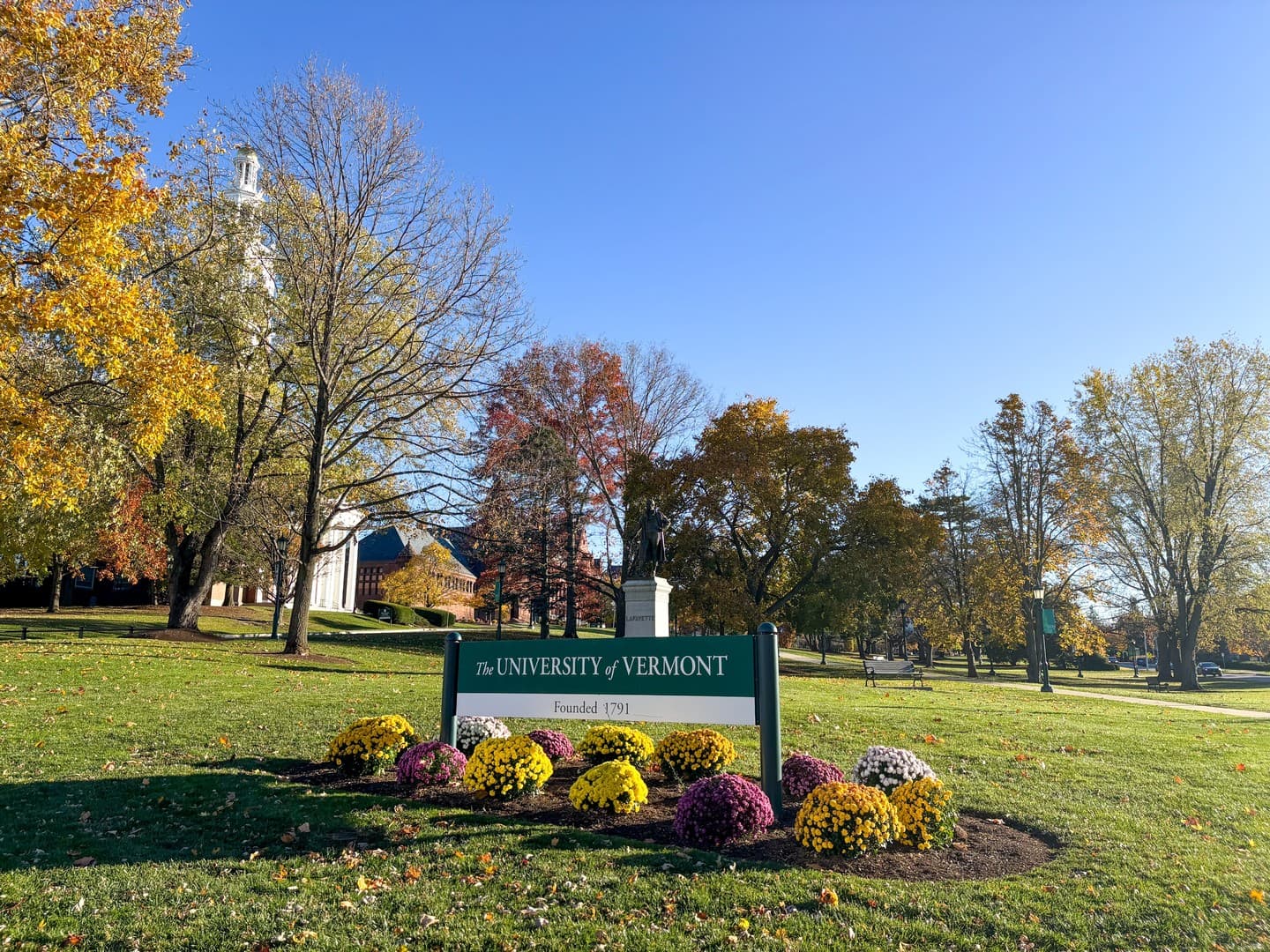
The University of Vermont (UVM), a distinguished Public Ivy nestled in the vibrant city of Burlington, Vermont, is actively recruiting for the pivotal role of Director of Housing and Residential Programs. This leadership position within University Housing and Dining Services (UHDS) offers a unique opportunity to shape the living and learning experiences of approximately 5,800 undergraduate and graduate students residing in 41 residence halls and 11 diverse residential complexes. With a salary range of $125,000 to $130,000 and a required live-on-campus arrangement, the role demands a seasoned professional ready to navigate the complexities of modern campus housing.
As higher education institutions across the United States grapple with surging demand for quality student accommodations, UVM's search underscores the critical importance of strategic residential leadership. Nationally, student housing occupancy stands at a robust 91.8%, fueled by steady enrollment gains at public universities like UVM, where undergraduate numbers hover around 10,267. This position arrives at a moment when residential programs are evolving to prioritize student well-being, academic integration, and inclusive community building amid post-pandemic recovery and demographic shifts.
🏛️ The Strategic Role of the Director in UVM's Residential Ecosystem
The Director of Housing and Residential Programs reports directly to the Executive Director of UHDS and supervises a team of unit heads overseeing Residential Education, Residential Learning and Academic Engagement (RLAE), Housing Operations, and Strategic Initiatives and Planning. This structure positions the director as the central figure in translating UVM's institutional priorities—such as fostering a commitment to liberal education, environmental stewardship, and public service—into tangible residential experiences.
Day-to-day responsibilities include providing strategic oversight for the entire residential portfolio, ensuring seamless alignment across units, and serving as the primary escalation point for housing-related matters. In practice, this means coaching senior leaders through operational challenges, managing change initiatives, and acting as the Executive Director's proxy during absences. For instance, the director might coordinate responses to peak move-in periods, where thousands of students transition into themed learning communities that blend academic pursuits with personal development.
UVM's residential system is remarkably diverse, encompassing traditional halls, living-learning communities focused on honors programs, sustainability, and global citizenship, and specialized housing for graduate students. First- and second-year students are required to live on campus, creating a foundational environment that supports retention rates and academic success. The director's influence extends to fostering a collaborative leadership culture, particularly in UVM's unionized environment, where shared governance models demand adept negotiation and team-building skills.
Key Responsibilities Breakdown
- Lead strategic planning and daily operations for housing serving over 5,800 residents.
- Supervise and mentor unit heads to deliver high-quality student services.
- Facilitate cross-departmental partnerships within UHDS's Executive Leadership Team.
- Address complex issues like crisis management, facility maintenance, and community standards enforcement.
- Drive innovation in residential programming, integrating academic engagement with wellness initiatives.
These duties highlight the director's role as a bridge between policy and practice, ensuring that residential life contributes to UVM's mission as a top-100 research university.
📊 Current Landscape: Student Housing Trends Shaping Leadership Demands
In 2026, the U.S. student housing sector is characterized by resilient demand despite moderating rent growth, which averaged just 0.4% year-over-year as of early 2026. Public four-year institutions like UVM saw enrollment rise by 1.2% in 2025, bolstering occupancy and underscoring the need for directors who can optimize existing infrastructure amid limited new supply. A key trend is the shift toward experience-led design, with 94% of new purpose-built housing featuring bed-to-bath parity to meet Gen Z preferences for privacy and amenities.
Off-campus living remains prevalent—78% of students nationally—but on-campus options like UVM's are prized for their integration with academic resources. Directors must now prioritize holistic support, including mental health programming and sustainability efforts, as universities expand housing to counter the 'demographic cliff.' For example, institutions in high-growth markets are accelerating modernizations, with UVM's 41 halls representing a substantial investment in student success.

Challenges Facing Housing Directors Today
Leaders confront staffing shortages, with retention a top concern as burnout rises in high-accountability roles. Economic pressures, including rising operational costs, compound issues like union negotiations and regulatory compliance. At UVM, proximity to Burlington's thriving tech scene—home to employers like Global Foundries and Ben & Jerry's—intensifies competition for talent, while natural beauty demands resilient infrastructure against Vermont winters.
- Balancing enrollment growth with bed availability (UVM maintains a 1:1 ratio for new undergrads).
- Integrating technology like StarRez systems for streamlined operations.
- Promoting inclusivity amid diverse student bodies, including 56% from New England and international cohorts.
- Navigating off-campus spillover in Burlington's tight rental market.
🎓 Essential Qualifications and Career Pathways
Candidates must hold a Master's degree in a related field, coupled with eight years of progressive leadership in university housing or residential life, including supervision of senior staff. Proven expertise in complex operations within multifaceted organizations is non-negotiable, as is the capacity to thrive in high-stakes decision-making. Preferred experience includes managing systems for 5,000+ students and leading in unionized settings—precisely UVM's context.
Aspiring directors often ascend from roles like Associate Director or Residence Life Coordinator, gaining breadth through progressive responsibilities. Success stories abound: professionals who honed skills at mid-sized publics before tackling large-scale portfolios. At UVM, the position offers competitive benefits, professional development, and immersion in a 'perfect size' university blending research prowess with mentorship.
| Qualification Level | Details |
|---|---|
| Required | Master's + 8 years leadership, senior supervision, operational acumen |
| Preferred | 5,000+ student scale, multi-leader teams, union experience |
🌟 UVM's Unique Residential Environment and Community Impact
UVM's housing transcends shelter, embodying 'Learn Where You Live' through themed communities like Leadership & Social Change or Sustainability House. These initiatives, supported by faculty engagement, boost retention and GPA. The director champions this model, overseeing programs that prepare students as 'accountable leaders' amid Burlington's outdoor paradise—Lake Champlain trails, ski resorts, and a pedestrian-friendly downtown.
Stakeholder perspectives vary: students seek amenities and safety, faculty value academic linkages, and administrators prioritize fiscal sustainability. The director mediates these, leveraging data-driven insights to enhance experiences. For Burlington residents, UVM's growth strains local housing, prompting collaborative solutions like expanded graduate options.
Explore UVM Housing and Dining Services for a deeper look at current offerings.
💼 Application Process and Next Steps
To apply, submit materials via UVM's careers portal, including a cover letter, resume, and references. The search is ongoing, emphasizing people-centered leaders ready to elevate residential life. This role not only advances careers but positions applicants to influence thousands amid national housing booms.
View the listing on AcademicJobs.com for aggregated opportunities.
🔮 Future Outlook: Evolving Residential Leadership in Higher Ed
Looking ahead, directors will spearhead AI-integrated operations, net-zero housing, and hybrid living models post-2030 enrollment peaks. At UVM, expansions signal commitment to growth, offering trailblazers a platform for legacy-building. With strong demand projected through 2026, this position exemplifies the blend of challenge and reward in university housing leadership.
Professionals eyeing advancement should cultivate skills in data analytics, DEI strategies, and crisis leadership—essentials for thriving in dynamic campuses like UVM.