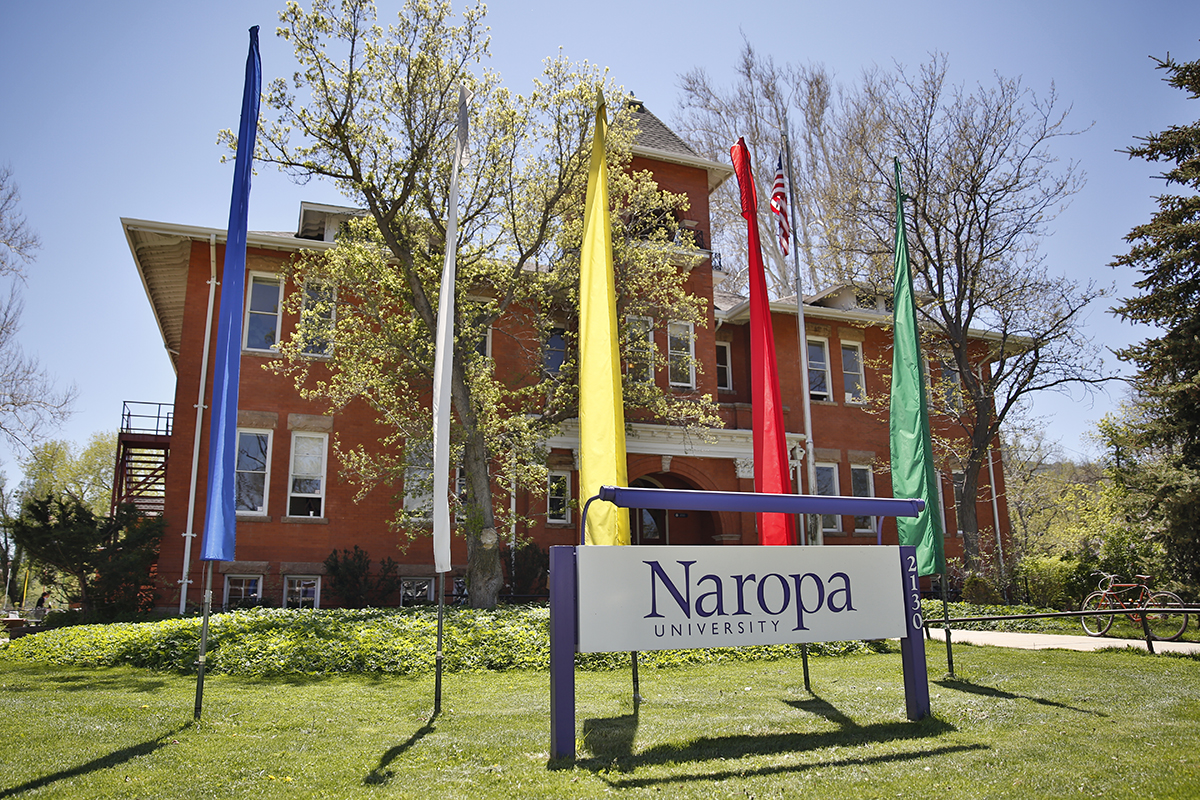

Naropa University, a pioneering institution in Boulder, Colorado, has opened applications for a transformative leadership role: Director of its new online Master of Public Administration (MPA) Program at the Assistant or Associate Professor rank. This position represents a rare opportunity to shape the future of public administration education by blending rigorous academic training with contemplative practices, mindfulness-based leadership, and a deep commitment to social equity. As public sector challenges grow more complex—from climate resilience and ethical governance to inclusive policymaking—institutions like Naropa are reimagining how future leaders are prepared.
The Master of Public Administration degree, often abbreviated as MPA, equips professionals with the skills to manage public organizations, analyze policies, and lead ethically in government, nonprofits, and cooperatives. At Naropa, this program stands out by integrating contemplative pedagogy—a hallmark of the university's approach since its founding in 1974. Drawing from Buddhist-inspired principles, contemplative education emphasizes mindfulness, self-awareness, and embodied learning alongside traditional coursework, fostering leaders who can navigate uncertainty with compassion and clarity.
🌿 Shaping the Future: Naropa's Vision for Contemplative Public Administration
Naropa University's MPA program is designed as a fully online graduate offering, accessible to working professionals nationwide while rooted in the university's Arapahoe Campus in Boulder. The program aligns with the Network of Schools of Public Policy, Affairs, and Administration (NASPAA) Universal Competencies, ensuring graduates meet industry standards in areas like policy analysis, budgeting, ethical leadership, and data-driven decision-making. What sets it apart is the contemplative lens: courses incorporate mindfulness practices to enhance emotional intelligence, reduce burnout, and promote inclusive decision-making.
Imagine a curriculum where students not only study public finance and organizational management but also engage in meditation retreats or reflective journaling to internalize concepts like equitable resource allocation. This holistic method addresses a critical gap in traditional MPA programs, where leaders often face high stress and ethical dilemmas without tools for personal resilience. Early program planning includes a dual BA-MPA pathway with Naropa's new online BA in Political and Justice Studies, allowing seamless progression for undergraduates passionate about social change.
The director will play a pivotal role in launching and scaling this initiative, from curriculum development to forging partnerships with public agencies for internships and capstone projects. As public administration evolves amid 2026 trends—such as AI ethics in governance and climate adaptation—these contemplative elements position Naropa graduates as uniquely equipped leaders.

Leadership at the Helm: Core Responsibilities of the Role
The Director provides comprehensive oversight of the MPA program, balancing administrative duties with scholarly and teaching commitments. Here's a breakdown of the key responsibilities:
- Develop and refine the program vision, including strategic planning, operations, and quality assurance to maintain excellence.
- Lead curriculum design, ensuring alignment with NASPAA standards and Naropa's contemplative ethos through ongoing assessment of student learning outcomes.
- Manage recruitment, admissions, and retention in collaboration with university teams, while supervising adjunct faculty and promoting professional development in online contemplative teaching.
- Handle budgeting, scheduling, and resource allocation, coordinating with academic affairs for seamless operations.
- Teach a reduced load of 6-9 credits annually in core areas like policy analysis, public budgeting, leadership, data analytics, and capstone projects—all delivered asynchronously in Canvas LMS.
- Foster external partnerships for experiential learning, such as internships with Colorado nonprofits or federal agencies, enhancing community impact.
- Maintain an active research agenda in public administration, advancing justice, equity, diversity, and inclusion (JEDI) through scholarship and mentorship.
This multifaceted role demands a leader who thrives in hybrid environments, blending administrative acumen with pedagogical innovation. With a full-time equivalent of 40 hours per week, the position offers administrative release time to focus on program growth.
Required Expertise: What Naropa Seeks in Candidates
Naropa prioritizes candidates who embody its values of compassion, authenticity, and social engagement. Essential qualifications include:
- A doctorate such as Doctor of Public Administration (DPA) or PhD in Public Administration, Public Policy, Political Science, or a related field—or an MPA with equivalent senior leadership experience in public/nonprofit sectors.
- At least three years of online graduate teaching experience across modalities, with proficiency in Canvas or similar LMS and data-driven curriculum improvements.
- Proven academic leadership, such as prior roles in program direction, including faculty supervision, assessment, and budgeting.
- A commitment to contemplative practices, mindfulness in leadership, and social equity, demonstrated through teaching or professional work.
- Strong multicultural competency and experience with diverse stakeholders.
- An established scholarly record in public administration.
Preferred attributes include NASPAA accreditation familiarity, practical government experience, online program scaling expertise, grant writing, and multilingual skills. All applicants must resonate with Naropa's mission, as evaluated through their materials and interviews.
Balancing Teaching, Research, and Administration
While administrative duties dominate, the role includes hands-on teaching to stay connected to students. Expect to design syllabi emphasizing accessibility, inclusive design, and contemplative elements—like guided reflections on ethical case studies. Research expectations encourage applied work, such as studies on mindfulness in public policy or equity in budgeting, contributing to the field while supporting program promotion.
Advising plays a central role: directors hold office hours, guide career development, and oversee capstones linking theory to practice, such as analyzing local government responses to housing crises. This integration ensures the director models the mindful leader the program aims to produce.

Naropa University: A Beacon of Contemplative Higher Education
Founded by Tibetan meditation master Chögyam Trungpa, Naropa University pioneered contemplative studies in the U.S., attracting visionaries like Allen Ginsberg and Anne Waldman. Today, it offers innovative programs in counseling, transpersonal psychology, and the arts, all infused with practices that cultivate awareness and creativity. Located in vibrant Boulder—a hub for wellness, tech, and outdoor pursuits—the university provides a supportive environment with comprehensive benefits, including tuition remission, health coverage, and retirement matching.
The MPA fits seamlessly into this ecosystem, extending contemplative principles to public service. As higher education faces enrollment pressures and demands for relevance, Naropa's model offers a blueprint for differentiated programs that attract mission-driven students. Learn more about Naropa's transformative approach.
Career Landscape: Prospects for MPA Directors and Professors
In 2026, MPA programs remain vital, with U.S. News ranking top schools like Syracuse and Indiana seeing steady demand. Graduates enter roles like city managers (median $104,000) or policy analysts ($68,000 average), but faculty/directors enjoy stability and impact. Salaries for assistant/associate professors in public administration average $80,000-$110,000 nationally, with Naropa's $70,000-$80,000 competitive for its mission-driven context and Colorado cost of living.
Leadership roles like this are scarce; recent data shows growth in online MPAs (up 15% since 2023) amid workforce needs for ethical leaders. Directors often advance to deanships or consulting, leveraging networks like NASPAA. NASPAA's resources highlight the field's expansion.
Boulder's Thriving Ecosystem for Public Leaders
Boulder exemplifies progressive governance: home to federal labs, environmental nonprofits, and innovative city policies on sustainability. Proximity to Denver expands opportunities for partnerships, while the area's wellness culture aligns perfectly with contemplative education. Directors benefit from networking at events like the Colorado Municipal League conference, enriching program offerings with real-world cases.
Evolving Trends in U.S. MPA Education
MPA programs are adapting to 2026 realities: 70% now offer online/hybrid formats, per recent surveys, emphasizing data analytics (up 25%), DEI, and sustainability. Enrollment dipped post-pandemic but rebounds with focus on practical skills—90% of graduates employed within six months. Challenges include accreditation rigor and faculty shortages, making roles like Naropa's strategic.
Innovations like Naropa's contemplative integration address leader burnout, with studies showing mindfulness boosts decision-making by 20%. As federal funding shifts to equity-focused initiatives, programs preparing inclusive administrators gain traction.
Seizing the Opportunity: Application Insights
Applications close June 1, 2026, or until filled. Submit via Naropa's portal, highlighting your fit with contemplative values. Prepare a CV, cover letter, teaching philosophy, and evidence of leadership/scholarship. Interviews emphasize mission alignment. This role suits seasoned academics ready to innovate. For full details, visit the posting on HigherEdJobs.
The Broader Impact: Pioneering Ethical Public Service
By directing Naropa's MPA, you'll influence generations of leaders tackling inequality, climate justice, and governance innovation through mindful practice. In a polarized era, this program's emphasis on compassion offers hope, positioning Naropa as a leader in humane higher education. Aspiring applicants should reflect: How can contemplation transform public administration? The answer lies in roles like this.