
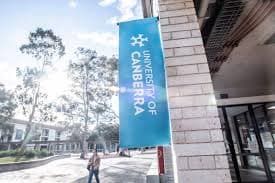
The University of Canberra is actively recruiting for a Lecturer in Medical Imaging to strengthen its health sciences programs. This role offers an exciting opportunity for qualified professionals to contribute to teaching, research, and clinical training in a growing field essential to modern healthcare.
Why Medical Imaging Matters in Today's Healthcare Landscape
Medical imaging plays a critical role in diagnosing and treating patients across Australia. Techniques such as X-rays, MRI, CT scans, and ultrasound allow healthcare teams to visualize internal structures non-invasively, leading to faster and more accurate decisions. Professionals in this area support everything from emergency care to chronic disease management.
With Australia's aging population and increasing demand for diagnostic services, skilled educators are vital to prepare the next generation of radiographers and imaging specialists. The University of Canberra's Faculty of Health recognizes this need and is expanding its offerings to meet workforce shortages.
Key Responsibilities in the Lecturer Role
The successful candidate will deliver engaging lectures and tutorials on topics including anatomy, imaging physics, patient care, and advanced modalities. They will also supervise student placements in clinical settings, ensuring graduates meet professional standards set by the Australian Health Practitioner Regulation Agency.
- Develop and update curriculum aligned with industry needs
- Conduct research in areas such as radiation safety or emerging imaging technologies
- Collaborate with hospitals and clinics for practical training opportunities
- Mentor undergraduate and postgraduate students
These duties combine academic leadership with hands-on guidance, creating a dynamic work environment.
Ideal Candidate Profile and Qualifications
Applicants should hold a doctoral qualification or be nearing completion, alongside current registration as a medical radiation practitioner. Experience in teaching at university level and a track record of publications will strengthen applications. The university values diversity and encourages applications from professionals with clinical backgrounds in metropolitan or regional settings.
Benefits and Support for New Lecturers
Successful appointees receive competitive remuneration, professional development funding, and access to state-of-the-art simulation labs. Flexible working arrangements and relocation assistance are available to attract top talent from across the country and internationally.
Impact on Students and the Broader Community
Graduates from the program go on to fill critical roles in public hospitals, private practices, and research institutions. By investing in quality educators, the university directly contributes to better patient outcomes and healthcare innovation throughout Australia.
Future Outlook for Medical Imaging Education
Advances in artificial intelligence and portable imaging devices are reshaping the profession. Lecturers will play a key role in integrating these technologies into training, preparing students for evolving clinical environments. The University of Canberra is positioned to lead in this space through partnerships and ongoing curriculum refinement.
How to Apply and Next Steps
Interested candidates can submit applications through the official portal. Strong applications highlight both academic achievements and real-world clinical experience. Early preparation of teaching portfolios and research statements is recommended.
This position represents a meaningful way to shape healthcare education while advancing personal career goals in a supportive academic community.