
Discovering Opportunities in QUT's School of Creative Arts
Queensland University of Technology (QUT) is actively seeking passionate practitioners to join its pool of sessional academics in the School of Creative Arts. This expression of interest opportunity allows creative professionals to contribute to dynamic teaching programs across a range of disciplines. Located in the heart of Brisbane, these roles offer a chance to blend industry expertise with academic delivery, supporting undergraduate students in developing cutting-edge skills for the evolving creative industries.
The School of Creative Arts, nestled within QUT's Faculty of Creative Industries, Education and Social Justice, emphasizes practice-led learning. Sessional academics play a pivotal role in delivering tutorials, workshops, and lectures, fostering an environment where students can experiment and innovate. As enrolments in creative arts programs face national challenges, QUT remains committed to high-quality education, making these positions particularly timely for experienced professionals looking to influence the next generation.
The Vibrant Ecosystem of QUT's School of Creative Arts
Established as a hub for transdisciplinary creativity, the School of Creative Arts provides students with a 'space to create' that integrates technical skills with conceptual depth. Programs like the Bachelor of Creative Arts span majors such as acting, animation, creative writing, drama, film, and visual arts, while the Bachelor of Creative Industries prepares graduates for multifaceted careers. These courses are designed to produce agile practitioners who are collaboratively fluent and socially engaged.
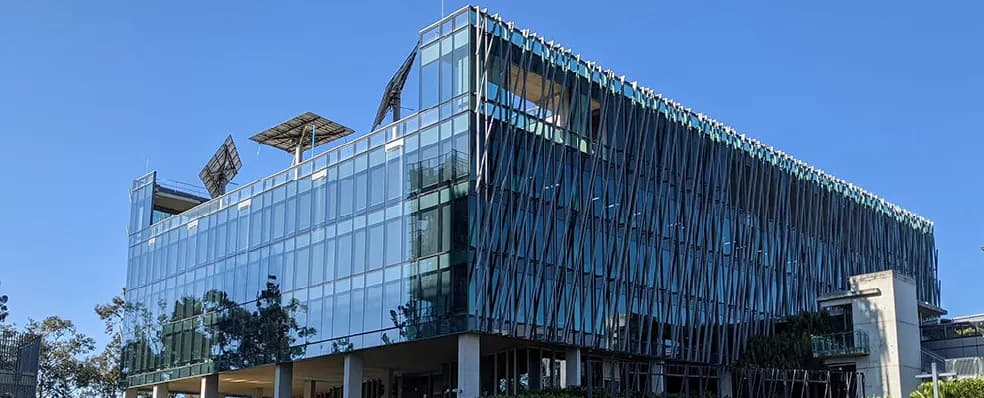
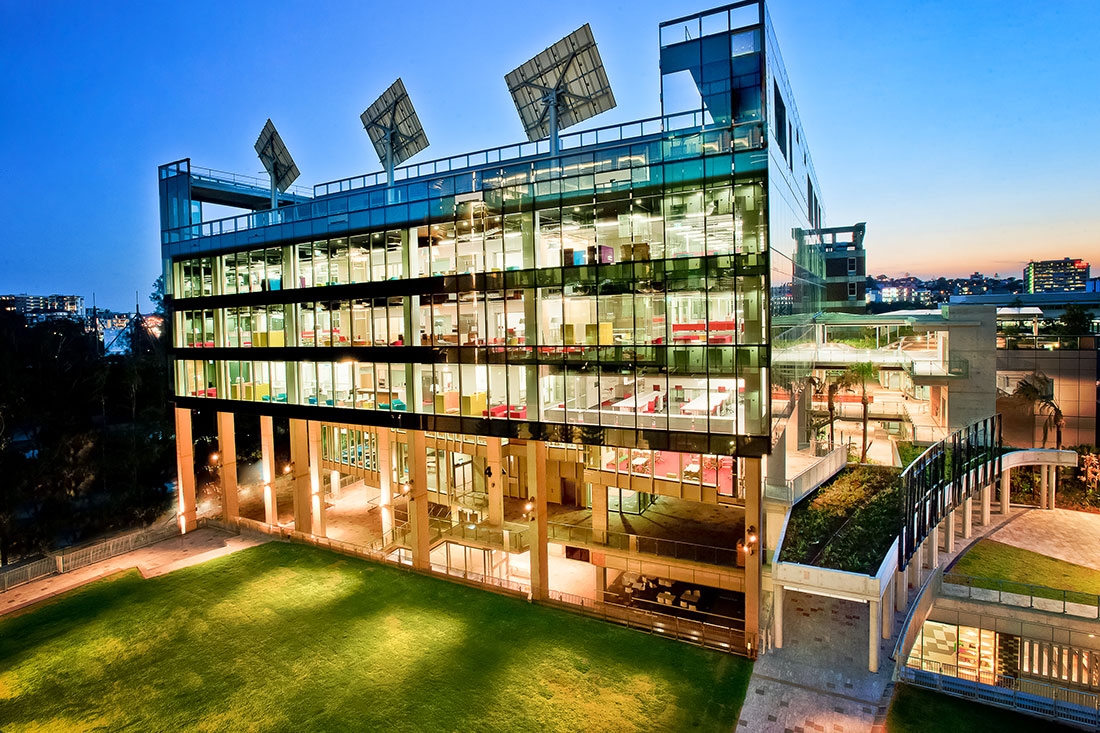
The school's location in the state-of-the-art Creative Industries Precinct at Kelvin Grove campus features performance spaces, visual art galleries, music studios, and advanced digital facilities. This infrastructure supports immersive learning experiences, from XR (extended reality) technologies to experimental performances. Recent faculty achievements include the appointment of Dr. Ashley Hay as editor for the literary journal Meanjin and research revealing nuanced patterns in Australians' social media usage, underscoring QUT's real-world impact.

Staff and sessional contributors collaborate across research groups like XR Screen Futures, which explores digital performance and immersive media, and More than Human Futures, addressing planetary challenges through creative responses. This environment not only enriches teaching but also offers sessional academics opportunities for professional development and interdisciplinary projects.
Understanding the Role of Sessional Academics
In Australian universities, sessional academics—often referred to as casual or contract academics—are employed on a session-by-session basis to deliver teaching. At QUT, this typically involves leading tutorials, facilitating workshops, lecturing, marking assessments, and providing student feedback. Unlike continuing positions, these roles offer flexibility, allowing practitioners to balance teaching with industry commitments.
Daily responsibilities might include preparing engaging lesson plans aligned with unit objectives, supervising creative projects, and mentoring students on portfolio development. For instance, in animation majors, a sessional academic could guide students through software tutorials and critique storyboarding techniques. In drama, they might direct scene work or lead improvisation exercises. This hands-on involvement ensures students gain practical skills alongside theoretical knowledge.
- Delivering face-to-face and online tutorials
- Assessing creative work and providing constructive feedback
- Contributing to curriculum enhancement through industry insights
- Participating in school meetings and student consultations
Such roles constitute a significant portion of university teaching—around 60% in many institutions—highlighting their importance to educational delivery.
Key Qualifications and Experience Sought
QUT prioritizes candidates with a postgraduate degree (Master's or PhD) in a relevant creative arts field, coupled with current industry experience. For example, filmmakers need proven production credits, while visual artists should have exhibitions or commissions. Teaching experience, though desirable, can be developed on the job, but familiarity with higher education pedagogy is advantageous.
Essential skills include strong communication, cultural sensitivity, and the ability to inspire diverse student cohorts. Proficiency in digital tools—such as Adobe Suite for visual arts or Final Cut Pro for film—is often required for specific units. QUT values applicants who can demonstrate transdisciplinary approaches, aligning with the school's emphasis on collaboration.
- Postgraduate qualification in creative arts discipline
- Recent professional practice or portfolio
- Demonstrated teaching or facilitation skills
- Commitment to equity, diversity, and student-centered learning
Expressions of interest should highlight how your expertise matches specific majors, positioning you as a bridge between industry and academia.
Remuneration, Benefits, and Employment Conditions
Sessional academics at QUT are remunerated according to enterprise agreement scales, effective from late 2025. Rates vary by classification and activity: lectures typically command higher hourly pay than tutorials or marking. Casual loading (around 25%) compensates for lack of permanency, with superannuation contributions.
While positions are casual and term-based, they offer professional development workshops, access to university libraries, and networking events. Brisbane's vibrant arts scene enhances work-life balance, with proximity to festivals like the Brisbane Festival. For detailed scales, refer to QUT's sessional salary document.
Challenges include workload intensity during teaching periods and income variability, but many appreciate the autonomy and creative freedom.
Navigating the Application Process
To apply, visit QUT's careers portal and submit your expression of interest for the specific job listing. Prepare a targeted cover letter, CV, and portfolio showcasing relevant work. Tailor your application to the School of Creative Arts by referencing programs like Bachelor of Creative Arts.
- Review the job description on QUT Careers
- Compile CV, selection criteria responses, and examples of teaching/industry work
- Submit via the online portal (e.g., nga.net.au)
- Prepare for potential interview or teaching demonstration
- Monitor for pool activation as units arise
The process is straightforward, with opportunities ongoing as needs arise.
Thriving Amidst National Trends in Creative Arts Education
Australia's creative arts sector faces headwinds, with undergraduate enrolments dropping 21.8% from 2015 to 2024 due to policy changes like Job-ready Graduates and economic pressures. Universities have cut courses, yet demand for skilled graduates persists in digital content, design, and screen industries. QUT counters this with innovative curricula, including AI-integrated arts degrees.
Research by faculty members highlights the 'polycrisis'—enrolment declines, funding cuts, and TAFE reductions—but advocates for sustained investment. For more, see the study on arts education challenges.

Sessional roles at QUT provide stability in this landscape, offering pathways amid uncertainty.
Career Progression and Long-Term Rewards
Many sessional academics transition to continuing roles by building teaching portfolios and research outputs. QUT supports this through mentorship and grant opportunities. Alumni often credit sessional experience for honing pedagogical skills and industry networks.
Real-world examples include former sessional tutors advancing to lecturing positions after demonstrating excellence in student outcomes. Balancing multiple gigs across institutions is common, enhancing resumes for senior roles.
Why Brisbane and QUT Stand Out for Creative Professionals
Brisbane's cultural renaissance, bolstered by Queensland's creative economy roadmap, complements QUT's offerings. The university's top rankings in employability (top 200 globally) ensure graduates—and their teachers—stay relevant. Proximity to film studios, galleries, and tech hubs facilitates guest lectures and placements.
Joining QUT means contributing to a just, sustainable future through creativity, with global partnerships amplifying impact.