

The Vital Role of Rainforest Restoration in Australia's Wet Tropics
Australia's Wet Tropics, a UNESCO World Heritage-listed biodiversity hotspot spanning over 894,000 hectares in Far North Queensland, faces mounting pressures from climate change, invasive species, and habitat fragmentation. This ancient rainforest, home to unique species like the cassowary and ancient lineages of trees dating back 100 million years, is undergoing active restoration efforts to bolster resilience. Community groups, Traditional Owners, conservation trusts, and government bodies are planting millions of trees annually to reconnect fragmented habitats and enhance ecosystem services such as carbon sequestration and water regulation. However, ensuring these initiatives deliver lasting benefits hinges on robust monitoring—a practice where significant shortcomings have now been illuminated by recent university-led research.
Restoration here is not just about replanting; it's a complex process involving site preparation, seed sourcing from local genetics, weed suppression, and ongoing maintenance. For instance, after devastating cyclones like Yasi in 2011, which stripped vast areas of canopy, projects have replanted over 1.5 million trees through initiatives like the Wet Tropics Restoration Alliance. Yet, without comprehensive tracking, it's challenging to verify if these efforts are fostering genuine ecological recovery amid rising temperatures and shifting rainfall patterns.
New James Cook University Study Exposes Monitoring Shortfalls
Led by researchers from James Cook University (JCU) in Cairns, a hub for tropical environmental science, a landmark study published in Restoration Ecology on May 12, 2026, surveyed 25 organizations active in Wet Tropics rainforest restoration. Authors Sarah Letters and Professor Susan G. W. Laurance from JCU's Centre for Tropical Environmental and Sustainability Science, alongside Angela Dean from the University of Queensland's School of the Environment, revealed that while nearly all (96%) groups conduct some monitoring, it is overwhelmingly short-term and structure-focused.Read the full study here.
The Wet Tropics' restoration landscape includes diverse players: 10 community groups, 7 land trusts, 3 Indigenous ranger teams, and others. Their goals prioritize habitat connectivity (weighted mean score 9.0), biodiversity conservation (8.2), and threatened species support, yet monitoring rarely captures these. Instead, 92% track canopy closure, 80% tree survival, and 76% weed control—metrics that signal early progress but miss slower-recovering elements like bird pollination or soil microbial diversity.

This JCU-led effort, part of the National Environmental Science Program (NESP) Resilient Landscapes Hub's 'Restoration by Design' project, underscores how Australian universities are driving evidence-based environmental policy. Funded by the Australian Government, NESP partners with institutions like JCU to translate science into on-ground action.Explore the project details.
How the Research Was Conducted: A Survey of Restoration Practitioners
The study's methodology exemplifies rigorous social-ecological research typical of Queensland universities. An online survey via SurveyMonkey targeted 39 organizations, yielding a 64% response rate. Questions probed restoration objectives, monitoring methods (photo points, vegetation surveys, fauna assessments), duration, intensity, and barriers. Analysis used descriptive statistics and weighted mean scores in R software, categorizing priorities from 'very low' to 'very high'.
Key metrics included:
- Monitoring types: 52% formal records, 44% visual surveillance, 38.5% photo points only.
- Intensive efforts (vegetation/fauna surveys): 53.8%, mostly by land trusts and investors.
- Duration: 41.6% stop at 3-5 years or canopy closure; 54.2% plan indefinite but resource-limited.
This approach highlights practitioner realities, from bootstrapped community efforts to funded trusts, revealing systemic issues rather than individual failings.
Short-Term Focus: Why Structure Trumps Biodiversity in Current Practice
Forest structure recovers faster—canopy closure in 3-5 years—while compositional recovery (native species return) and functional recovery (pollination, nutrient cycling) span decades. The study found 76.9% conduct fauna surveys, but rarely beyond initial years, decoupling early 'success' from true resilience.
| Metric | % Organizations Tracking | Recovery Timeframe |
|---|---|---|
| Canopy Closure | 92% | 3-5 years |
| Tree Survival | 80% | 1-3 years |
| Weed Control | 76% | Ongoing early |
| Biodiversity (Fauna/Veg) | 53.8-76.9% | 10+ years |
| Ecosystem Function | <30% | Decades |
Such emphasis stems from ease: photo points (100% of intensive monitors) are low-cost, unlike eDNA sampling for vertebrates or long-term pitfall traps.
Capacity Constraints: Funding, Skills, and the Human Element
Despite 80% rating monitoring a 'moderate to very high' priority, practice lags due to limited funds (funder-driven timelines), staff turnover, and technical gaps. Community groups, doing 'heavy lifting' per Prof. Laurance, lack resources for advanced metrics. Indigenous rangers emphasize cultural monitoring, like species significant to Traditional Owners (e.g., golden bowerbird), yet integrate unevenly.
Stakeholders like the Wet Tropics Management Authority stress alignment with World Heritage obligations, where cyclones and weeds (e.g., mission grass) exacerbate fragmentation.
Implications for Biodiversity Hotspots and Climate Adaptation
The Wet Tropics hosts 30% of Australia's vertebrate species, many endemic. Poor monitoring risks 'paper parks'—restored areas failing silently. As biodiversity credits emerge under Australia's Nature Repair Market, credible data is crucial for investor confidence and policy like the 2030 Nature Positive Plan.
Climate projections: +2-4°C warming shifts species upslope, demanding resilient corridors. Unmonitored restoration may falter against pests or droughts.
Stakeholder Perspectives: From Community to Traditional Owners
Survey respondents voiced commitment: land trusts invest intensively, rangers blend Western science with cultural indicators. Prof. Laurance notes, "Community groups... are doing much of the heavy lifting." Challenges include volunteer burnout and inconsistent funding cycles.
- Community groups: Visual checks, short-term.
- Indigenous rangers: Cultural + basic veg metrics.
- Trusts/Investors: Fauna, indefinite plans.
Pathways Forward: Recommendations from the Research
The study urges:
- Capacity-building: Training in cost-effective tools like remote sensing, apps for citizen science.
- Frameworks: Tiered monitoring—basic structure early, biodiversity mid-term, function long-term.
- Policy: Extend funder timelines, subsidize tech (drones, camera traps).
- Integration: Cultural metrics for Traditional Custodians, socio-economic tracking for viability.
NESP's role: Co-design with users, as in littoral rainforest mapping.Wet Tropics Restoration Program overview.

James Cook University and UQ: Pioneering Tropical Restoration Science
JCU, with its Cairns campus amid the rainforests, leads via the Centre for Tropical Environmental and Sustainability Science (TESS). Prof. Laurance's work spans fragmentation impacts; Sarah Letters focuses on practitioner surveys. UQ's Angela Dean brings social science, examining behavior in conservation.
These programs train PhD students in field ecology, GIS, stats—skills for global roles. JCU's Master of Tropical Biology and Conservation integrates such research.
Case Studies: Successes and Lessons from Wet Tropics Projects
The Cassowary Coast Corridor: Community plantings monitored 10+ years show bird recolonization, but weeds persist. Post-Yasi: 500ha restored, structure quick, fauna slow. Indigenous-led: Girringun Rangers track cultural species, blending knowledges.
Lessons: Adaptive management—adjust for cyclones—needs longitudinal data.
Future Outlook: Scaling Up with Tech and Markets
Emerging tools: eDNA for biodiversity, LiDAR for structure, AI for anomaly detection. Biodiversity credits demand verifiable outcomes, positioning unis like JCU as validators.
By 2030, scaled restoration could restore 10,000ha, but only with reformed monitoring.
Career Opportunities in Rainforest Restoration Research
Australian universities offer roles in ecology, from research assistants analyzing data to postdocs designing protocols. JCU and UQ post openings in env jobs, with demand for skills in R, remote sensing. Explore higher ed paths for contributing to planetary health.
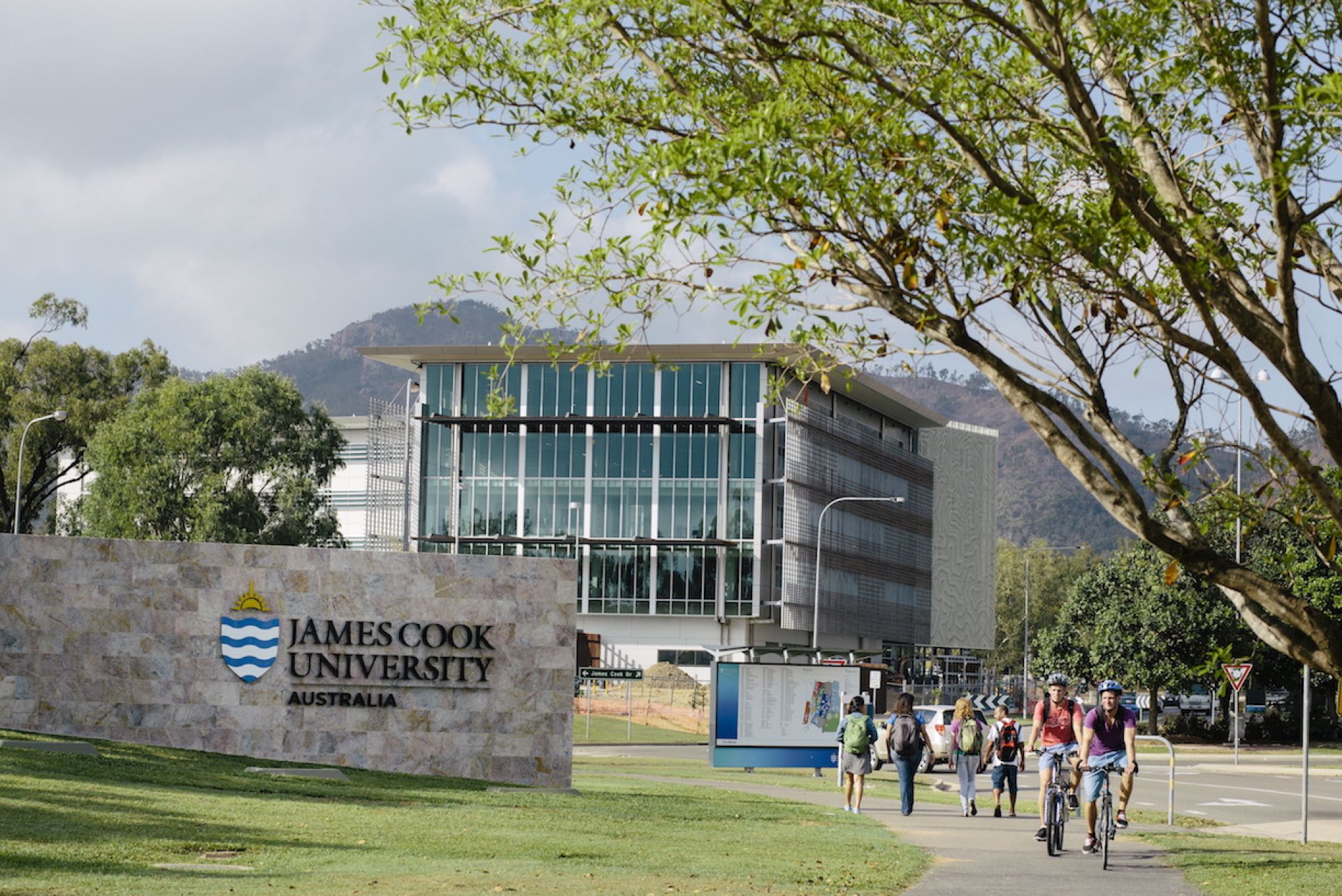
Photo by James Cook University on Unsplash

.jpg&w=128&q=75)
.jpg&w=128&q=75)

.jpg&w=128&q=75)


