
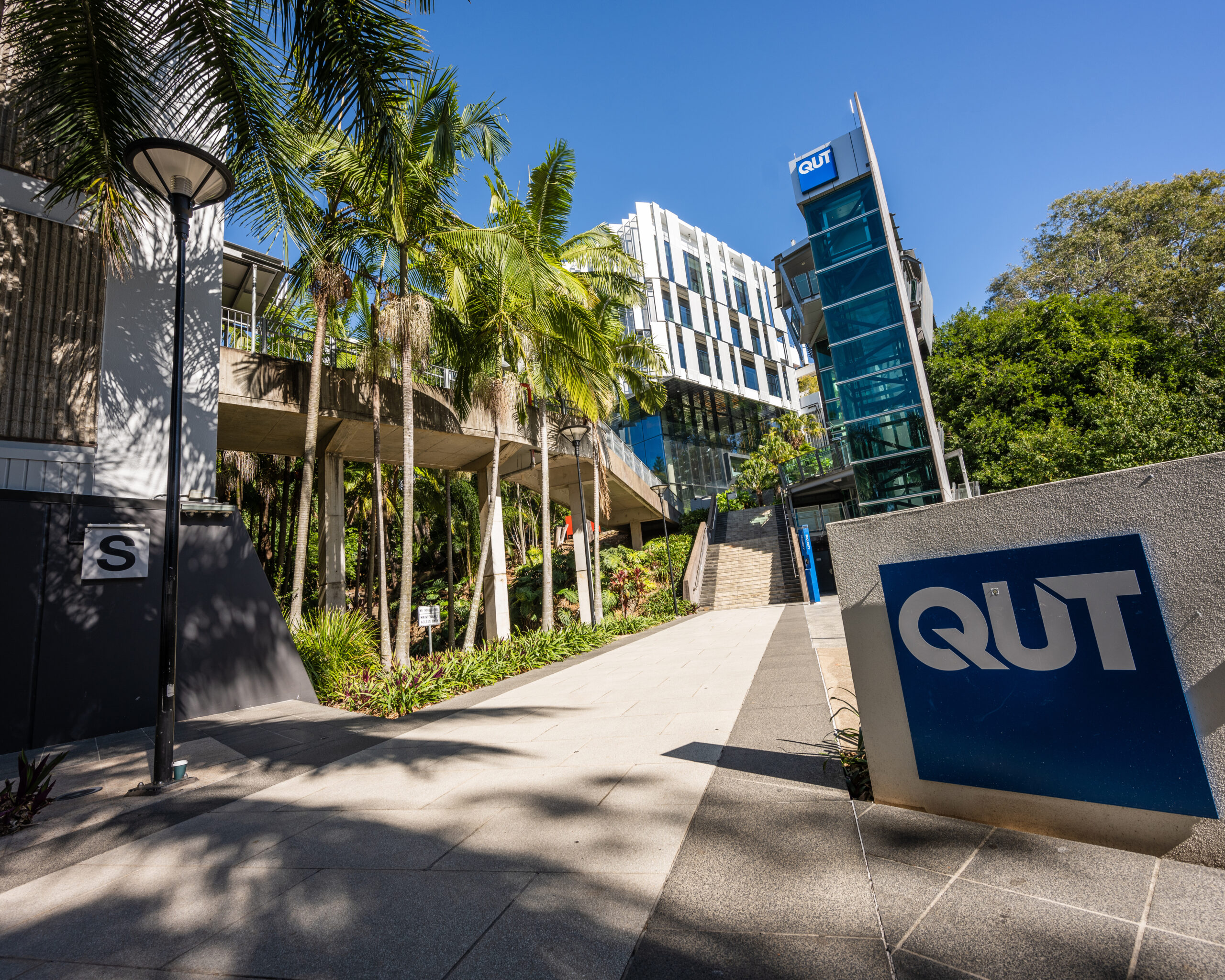
QUT doesn't advertise chairs in structural engineering every year. When it does, the pool splits fast: people who treat it like any other senior post, and people who read the timing.
The role is live now — Associate Professor or Professor in Structural Engineering, based in Brisbane at the Queensland University of Technology. The posting sits on AcademicJobs.com under its university jobs section, and the application portal is through QUT's NGA recruitment system. If you've been waiting for a genuine leadership position in Australian structural engineering, this is the one to watch.
Why QUT, Why Now
QUT's School of Civil and Environmental Engineering has spent years building a research profile around resilient infrastructure, sustainable materials and structural health monitoring. The university's location in Brisbane puts it inside one of Australia's fastest-growing capital cities, where major transport and precinct projects have kept structural engineers in constant demand.
This isn't a backfill hire. Senior appointments at this level usually signal a department doubling down on a specific research direction, a succession plan, or a response to student load. QUT has all three pressures. Its engineering cohorts are growing, its research centres need leadership, and the retirement wave among senior academics is real.
Brisbane's engineering ecosystem adds another layer. The city is home to a dense network of consultancies, contractors and public agencies working on rail, road and water projects. A chair at QUT sits at the intersection of that network, which means industry partnerships aren't an afterthought — they're part of the job from day one. If you've been doing purely theoretical work, this role will ask more of you.
What the Role Actually Asks For
The position description sets a high bar, but read past the boilerplate. QUT wants someone who can lead a structural engineering research group, win competitive funding, teach core structural subjects, and engage with industry. At professorial level, you're also expected to mentor early-career staff and shape the discipline's direction within the school.
Applicants should have a PhD in structural engineering or a closely related field, a strong publication record in areas like concrete structures, steel design, earthquake engineering, or structural dynamics, and a track record of research income. Teaching experience at undergraduate and postgraduate level is assumed. Industry registration — CPEng or equivalent — helps, because QUT's engineering programs lean heavily into real-world projects.
If you're coming from practice rather than academia, don't self-reject. The university has a history of appointing people with significant consultancy or infrastructure delivery experience, provided the research output is there. Check the full position description on the QUT recruitment portal before you write a word of your application.

Australia's Structural Engineering Crunch
Structural engineering in Australia is not a sleepy discipline. The national infrastructure pipeline — road upgrades, rail extensions, water infrastructure, and a massive push into renewable energy structures — has created sustained demand for senior technical leadership. Engineers Australia's regular skills reports keep flagging civil and structural engineering among the hardest roles to fill, particularly at chartered and principal levels.
Universities feel this directly. They compete with private consultancies for talent, and consultancies usually pay faster and promote quicker. That's why a chair at QUT matters. It's a chance to shape the next generation of structural engineers while still working on federally funded research that feeds directly into practice.
The renewable energy transition adds a specific technical edge. Wind turbine foundations, transmission towers, battery storage enclosures and pumped hydro caverns all demand structural engineers who understand fatigue, dynamic loading and long-term durability. Australian universities have been slow to build capacity in some of these areas, which means a well-placed senior hire can pull in significant industry-linked funding within a few years.
For a broader look at the national skills picture, Engineers Australia publishes data on engineering vacancies and migration demand on its website. Infrastructure Australia's Infrastructure Priority List is also useful if you want to see which projects are likely to drive research partnerships over the next five years.
How to Position Yourself
Most applicants for senior academic roles write CVs that read like an archive. QUT's committee doesn't have time to excavate your career. Give them the sharp version.
- Lead with leadership, not publications. At this level, they assume you can publish. Show them you can build a group, win ARC or industry funding, and manage people.
- Name your research niche in one line. Don't say "structural engineering." Say "durability of precast concrete under cyclic loading" or "performance-based seismic design of timber structures." The narrower the claim, the easier it is for the committee to remember you.
- Quantify your funding. List grant amounts, years, and your role. If you've been a chief investigator on an ARC Discovery Project, say so on the first page.
- Show teaching currency. If you've redesigned a structural analysis unit or introduced a new lab, put that in the teaching statement, not just the CV.
- Address the selection criteria in plain language. QUT, like most Australian universities, uses a structured selection process. Mirror the criteria headings and give a concrete example under each.
- Prepare your referees before you submit. QUT will likely ask for three, and they will call them. Tell your referees which projects to highlight and which gaps to address. A referee who says "they'd be fine" has just cost you the role.
Then submit through the AcademicJobs.com listing, which carries the same position details and an easier application overview. Don't send a generic cover letter to the dean. Address the committee's actual priorities.
The Hiring Committee's Blind Spots
Australian university hiring panels have a habit that wastes everyone's time: they keep the timeline vague. The QUT posting does not state a closing date for applications beyond a standard review window. If you're a serious candidate, don't wait. Apply now, and if you're shortlisted, ask directly when interviews are likely to be held. Committees that can't tell you their timeline are usually committees that haven't secured panel availability. That's not your problem to solve, but you can manage your own expectations.
Another blind spot is the reference check. Universities sometimes delay contacting referees until after interviews, which leaves candidates in limbo. If that happens, follow up once, then move on. You can't control the panel's pace, but you can keep other applications moving.
If you're weighing a move from industry into academia, know that Australian universities increasingly value professionals who can teach design studios and run capstone projects. The gap between consultancy and academia is narrower than it used to be. QUT's engineering faculty, in particular, has built a reputation for practice-led teaching. That works in your favour if you frame it properly.

This week, do one thing: pull up the position description and mark the five selection criteria that best match your last three years of work. Then write a one-page statement that hits those five points hard, in QUT's language, not yours. Send it to one trusted colleague for a red-pen review. If they can't tell which criteria you're addressing without looking at the headings, rewrite it before you submit. The committee will spend less than two minutes on your first page. Make those minutes count.



.jpg)
.jpg)





Discussion
Be the first to comment on this article!
You’ll be asked to sign in before your comment is posted.