

QUT's current Space and Facilities Officer vacancy is a management role hiding behind an administrative title. It gives one person direct control over how rooms, buildings and workspace data are used across two major Brisbane campuses, and it's the kind of role where small decisions compound into real operational cost.
QUT is a major public university, and the Space and Facilities Officer belongs to the professional staff side that keeps campuses functional. The role supports research and teaching without being an academic job. That distinction matters when you write your application: you're not pitching a paper; you're pitching reliability, accuracy and the ability to get a physical change done.
If you're weighing up an application, don't read the title and assume it's a building maintenance job. The role sits inside the university's professional staff structure and touches space planning, moves, building access, minor works and reporting. You're the person staff call when an office no longer fits a team, when a research group needs lab-adjacent space, or when a faculty restructures and every desk allocation shifts again.
That's why this vacancy matters more than most job seekers expect. The university's physical estate is one of its largest cost centres, and someone has to keep the data behind it honest.
What a Space and Facilities Officer Actually Does
Read the position description closely and the role breaks into a few repeating responsibilities. None of them are glamorous on their own, but together they keep a campus from sliding into operational chaos.
- Maintaining up-to-date space registers, floor plans and occupancy records.
- Processing space requests from faculties, research centres and professional units, then recommending where teams should move.
- Coordinating office moves, furniture changes, signage, keys and building access.
- Liaising with maintenance and minor works teams so the physical change actually happens on time.
- Producing utilisation reports and space data that inform capital planning decisions.
You'll spend as much time in spreadsheets and space management software as walking buildings. The role rewards people who notice discrepancies, because a floor plan that doesn't match the building creates small frictions every single day.
At QUT, that work plays out across Gardens Point and Kelvin Grove. The campuses are dense, city-based and heavily used, so there's little slack space to waste.
Why the QUT Context Makes This Role Different
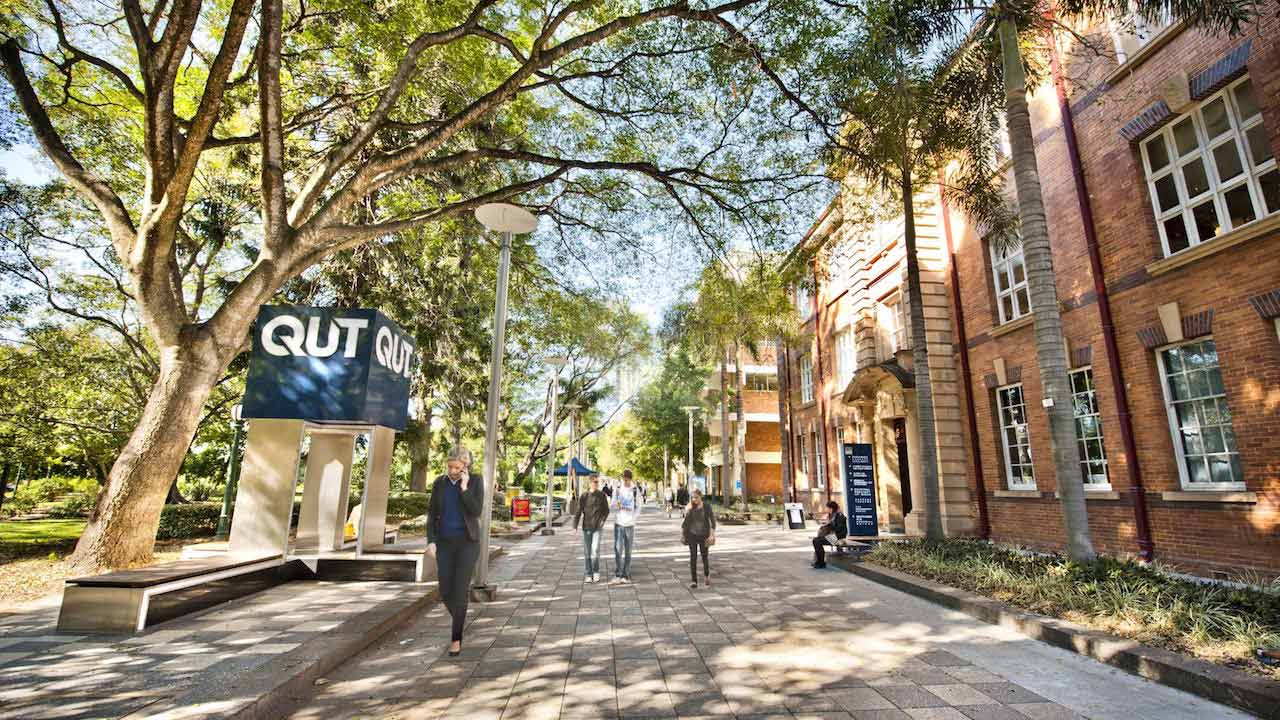
Queensland University of Technology (QUT) operates two main campuses in Brisbane's inner city. Gardens Point sits beside the Brisbane River and the City Botanic Gardens, while Kelvin Grove anchors a mixed-use precinct north of the CBD. You can see the campuses on QUT's campus and facilities page.
Because the campuses are compact and in demand, space decisions are contested. A room isn't just a room when timetabling, research groups, professional staff and external partners all want access. The Space and Facilities Officer is the person who brings evidence to those arguments: room bookings, utilisation rates, headcounts and future need.
Australian universities have also been rethinking physical space since hybrid work changed attendance patterns for professional staff. The Tertiary Education Facilities Management Association (TEFMA) tracks exactly this kind of pressure across the sector. Roles like this one have become more central because institutions need better data before they lease, build or decommission space.
What a Strong Applicant Brings
QUT's job ad points to a professional who can manage competing requests without losing track of the detail. You don't need a property degree for every facilities role, but you do need to demonstrate order, judgement and communication.
- Experience with space management, facilities coordination, property administration or campus operations.
- Comfort with computer-aided facilities management systems, room booking platforms and reporting tools.
- The ability to read architectural floor plans and reconcile them against occupancy data.
- Strong written skills, because your recommendations often become the record of why a move happened.
Selection panels in Australian universities usually score applications against the selection criteria in the position description. If the criteria ask for stakeholder management, give a concrete example of mediating between two groups that wanted the same space. Generic language doesn't get shortlisted.
One more thing matters more than people expect: accuracy under pressure. When you're juggling a move request, a timetabling query and a maintenance job at once, the panel wants evidence you won't let the data go stale.
What the First 90 Days Look Like
You'll spend the first month learning the university's space management system and walking the buildings you'll be responsible for. Expect to shadow moves, check room allocations against floor plans, and meet the faculty managers who submit requests. The second month is about fixing data: finding rooms that are listed as vacant but are in use, correcting seating counts, and confirming who actually occupies each space.
By day 90, you should be the person who can answer a simple question fast: if a new research team starts next semester, where do they go? That answer needs current data, not an old spreadsheet. Hiring managers use the first three months to test whether you chase down the truth or accept the record as given.
What the Panel Will Test in an Interview
Interviews for this type of role usually include scenario questions. You might be asked how you'd handle two faculties requesting the same room, how you'd prioritise a move with a tight deadline, or what you'd do if a floor plan doesn't match the building. Have specific examples ready.
They'll also probe your systems knowledge, but not to catch you out. The panel wants to know you can work with space data under real pressure and communicate a recommendation clearly. Walk through your reasoning instead of giving a one-word answer.

How to Apply Without Wasting Your Time
You apply through QUT's recruitment portal, and the role is also listed on AcademicJobs.com. Treat the written application as a business case for why you should be trusted with the estate.
- Download the full position description and underline the selection criteria.
- For each criterion, draft one example using the STAR method: situation, task, action, result.
- Keep your CV to relevant facilities, property, coordination or reporting experience, and cut the filler.
- Write a cover letter that names the systems you've used and the scale of the spaces you've managed.
- Submit before the closing date and keep a copy of your answers for interview prep.
If you're reworking your CV, this guide to writing a winning CV for university roles covers the structure panels expect.
Where This Role Can Take You
Space and facilities officer jobs are a practical entry point into university operations. People in these roles move into senior facilities management, space planning, capital projects or campus services leadership. Because you see how the institution actually uses its buildings, you build operational knowledge that's hard to hire from outside.
The immediate payoff is simpler: you'll learn the university's space systems, meet decision-makers across every faculty and division, and own a dataset that senior management consults before spending money. That's a strong position to be in after a year.
If you're ready to work in a role where the physical environment is the deliverable, this QUT vacancy is worth a serious look.



Discussion
Be the first to comment on this article!
You’ll be asked to sign in before your comment is posted.