

Understanding Single Cell and Spatial Biology in Modern Research
Single cell and spatial biology represent transformative approaches in the life sciences that allow researchers to examine individual cells and their precise locations within tissues. Traditional methods often average data across many cells, masking important differences. In contrast, single cell technologies isolate and analyze one cell at a time, revealing cellular heterogeneity that drives development, disease, and response to treatments.
Spatial biology builds on this by preserving the physical context. Techniques such as spatial transcriptomics map gene expression directly onto tissue sections, showing how cells interact with neighbors and their microenvironment. This combination provides a more complete picture of biological systems, from healthy function to disease states like cancer, infectious diseases, and immune disorders.
These methods rely on advanced sequencing, imaging, and computational tools. Researchers generate vast datasets that require sophisticated bioinformatics to interpret. The field continues to evolve rapidly with improvements in resolution, throughput, and integration of multiple data types, known as multi-omics.
The Growing Importance of These Technologies for Health and Environment
Single cell and spatial approaches are reshaping precision medicine. By identifying rare cell populations or specific spatial patterns, scientists can develop targeted therapies that work better for individual patients. In tropical regions, where unique environmental pressures and disease profiles exist, these tools offer particular value for studying pathogens, immune responses, and biodiversity impacts.
Applications extend beyond human health. In marine and environmental science, they help understand coral bleaching, species adaptation, and ecosystem dynamics. Aquaculture benefits from insights into fish health at the cellular level. The technologies support better biosecurity and sustainable practices in northern Australia and the broader Indo-Pacific.
Recent global developments highlight accelerating adoption. Integration with artificial intelligence improves data analysis, while new platforms expand what can be measured simultaneously. This positions institutions investing now to lead in discovery and translation.
James Cook University’s Strategic Investment Through the Horizons Program
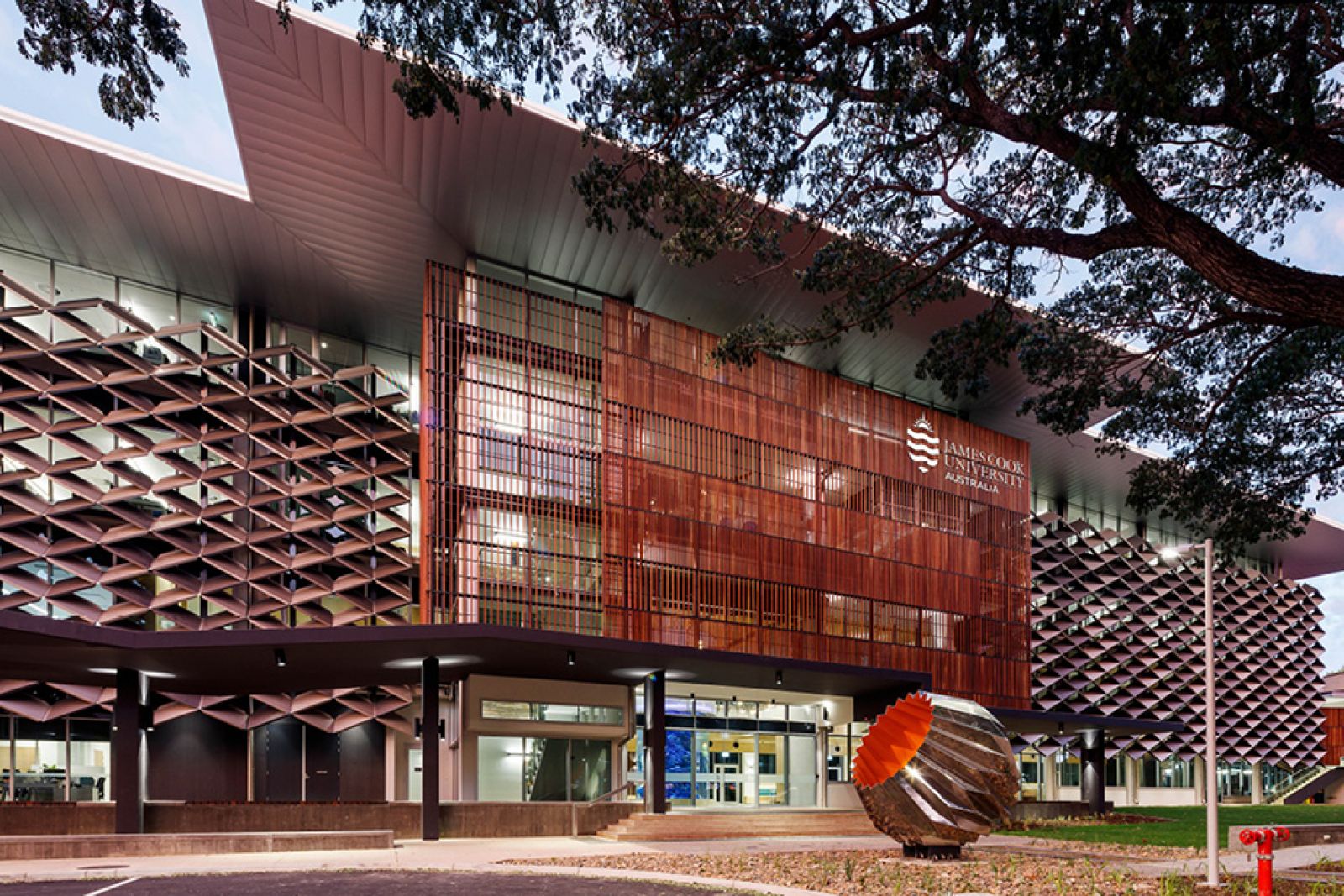
James Cook University has launched the JCU Horizons Program, committing over $10 million across seven years to accelerate high-impact research. The initiative focuses on areas of strategic importance, including single cell and spatial biology as one of the first priority areas alongside climate-resilient infrastructure.
This investment aims to build world-class capabilities in northern Australia. It supports the development of high-performing research teams and ensures teaching remains relevant to regional needs. The program emphasizes partnerships with industry, government, and communities to deliver tangible outcomes.
JCU’s location in the tropics provides unique advantages. The university’s strengths in marine biology, tropical health, and environmental science create natural synergies with advanced cellular technologies. Existing infrastructure, such as plans for a single cell sequencing facility, further strengthens the foundation.
Details of the Principal Research Fellow Position
The role is a continuing academic appointment at Level D, offering a competitive salary range of $164,231 to $180,463 per annum plus up to 17% employer superannuation. It is based at either the Cairns Nguma-Bada campus or the Townsville Bebegu Yumba campus, with flexibility noted for other Queensland locations.
Initially, the position focuses on research for three years within the Australian Institute of Tropical Health and Medicine and the College of Science and Engineering. After this period, it transitions to a balanced teaching and research role. The fellow will lead efforts in single cell and spatial methodologies, including multi-omics, spatial transcriptomics, advanced imaging, and high-dimensional data analysis.
Key responsibilities include establishing and leading a research group, securing external funding, fostering interdisciplinary collaborations, and mentoring early-career researchers. The position also involves contributing to undergraduate and postgraduate programs once the research-focused phase concludes.

Qualifications and Expertise Sought for Success
Candidates need a PhD in a relevant field along with an outstanding record of scholarly achievement. This includes high-impact publications and a history of competitive grant success. Demonstrated expertise in single cell and spatial technologies, plus strong computational and bioinformatic skills, is essential.
Leadership experience is highly valued, particularly in building research teams and mentoring others. The ability to form productive partnerships across academia, healthcare, industry, and national networks will be critical. Strong communication skills and the capacity to work both independently and collaboratively complete the profile.
JCU welcomes applicants from diverse backgrounds who align with its values of people, education, place, and research. The university supports flexible working arrangements and professional development.
Benefits of Joining JCU and Living in Tropical Australia
Working at JCU offers more than a competitive salary. Employees enjoy generous leave entitlements, including five weeks of annual recreation leave and 15 days of paid sick or personal leave. Additional perks include salary packaging options, a Fitness Passport, employee assistance programs, and access to well-equipped campus facilities.
The tropical setting provides an exceptional lifestyle. Cairns and Townsville offer proximity to the Great Barrier Reef, rainforests, and vibrant communities. This environment supports both professional focus and personal well-being, with cultural leave options available.
Professional growth comes through collaboration within strong research institutes like AITHM and exposure to real-world challenges in tropical medicine, biodiversity, and sustainability. The role positions the successful candidate as a leader in an emerging, high-demand field.
Broader Impacts on Australian Higher Education and Global Science
Positions like this strengthen Australia’s research capacity in cutting-edge areas. They attract talent, foster innovation, and enhance the country’s reputation as a leader in tropical and spatial biology research. Graduates and early-career researchers benefit from mentorship and exposure to advanced techniques.
The work has ripple effects on healthcare delivery, environmental management, and economic opportunities in regional areas. Discoveries can lead to new diagnostics, therapies, and sustainable practices that benefit communities in Australia and neighboring tropical nations.
By investing in such roles, universities like JCU contribute to a skilled workforce and knowledge economy. This aligns with national priorities for research excellence and addressing challenges unique to the Indo-Pacific region.
How to Apply and Key Dates
Applications close on Sunday, 26 July 2026, at 11:55 PM AEST. Interested candidates should prepare a current resume, a cover letter addressing the role requirements, and a separate response to the selection criteria outlined in the position description.
The process emphasizes alignment with JCU values and the specific needs of the Horizons Program. Shortlisted applicants can expect a thorough review focused on research excellence, leadership potential, and fit with tropical research priorities.
Full details and the application portal are available through JCU’s official careers site. Early preparation of materials highlighting relevant publications, grants, and collaborative experience is recommended.
Future Outlook for Single Cell and Spatial Biology Careers
The field is expanding quickly, with demand growing for experts who can integrate wet-lab techniques and computational analysis. Academic and research institutions worldwide are establishing dedicated cores and programs, creating opportunities for leadership roles.
In Australia, continued investment in infrastructure and training will support more positions at various levels. Professionals with experience in tropical systems or multi-omics applications will find particular advantages.
Long-term, these technologies will become standard in many disciplines. Early involvement positions researchers to shape standards, train the next generation, and translate findings into practical solutions for health and environmental challenges.