
A senior media liaison job at a regional university is not a soft option, and the candidates who get it treat it as a newsroom role with a different masthead.
James Cook University is hiring a Senior Media Liaison Officer in Townsville, Queensland, and the role asks for someone who can handle a 6am call from a radio producer, prepare a researcher for a national press conference and write a holding statement for the vice-chancellor's office all in the same morning.
The full advertisement is on the JCU careers portal, and the same vacancy is listed through AcademicJobs. Before you upload a CV, it is worth understanding what the panel is actually hiring for and how to make your application stand out.
What the role actually involves
The title is senior, so you are doing more than clipping coverage. You will run media enquiries, write and edit releases, pitch university research to outlets and advise staff on what to say when a story is sensitive.
You will spend a lot of time talking to academics who know their subject deeply but have never been interviewed on live television. Part of the job is making them comfortable enough to say something useful in plain language without putting the university at legal or reputational risk.
The day splits between proactive and reactive work. Proactive work means finding research or teaching stories worth telling and pitching them to journalists. Reactive work means answering enquiries when a campus incident, staff dispute or contested research finding draws attention. You will need both modes, sometimes in the same hour.
You will also do after-hours work during incidents. Media does not stop at five, and the university will need someone contactable during emergencies. If that sounds like a burden, this role is not for you.
You will monitor coverage, prepare media summaries for senior staff and contribute to communications planning around major announcements, research launches and emergency responses. The specific duties and reporting line are in the advertisement, and you should read them line by line before applying.
Why Townsville changes the job
Townsville is North Queensland's largest city and a hub for the Australian Army, the port, health services and tropical research. The local media market is smaller than Brisbane or Sydney, but it is not sleepy. The Townsville Bulletin, ABC North Queensland, Seven News, WIN News and commercial radio all operate in the city, and they all want university experts when a cyclone forms or a health story breaks.
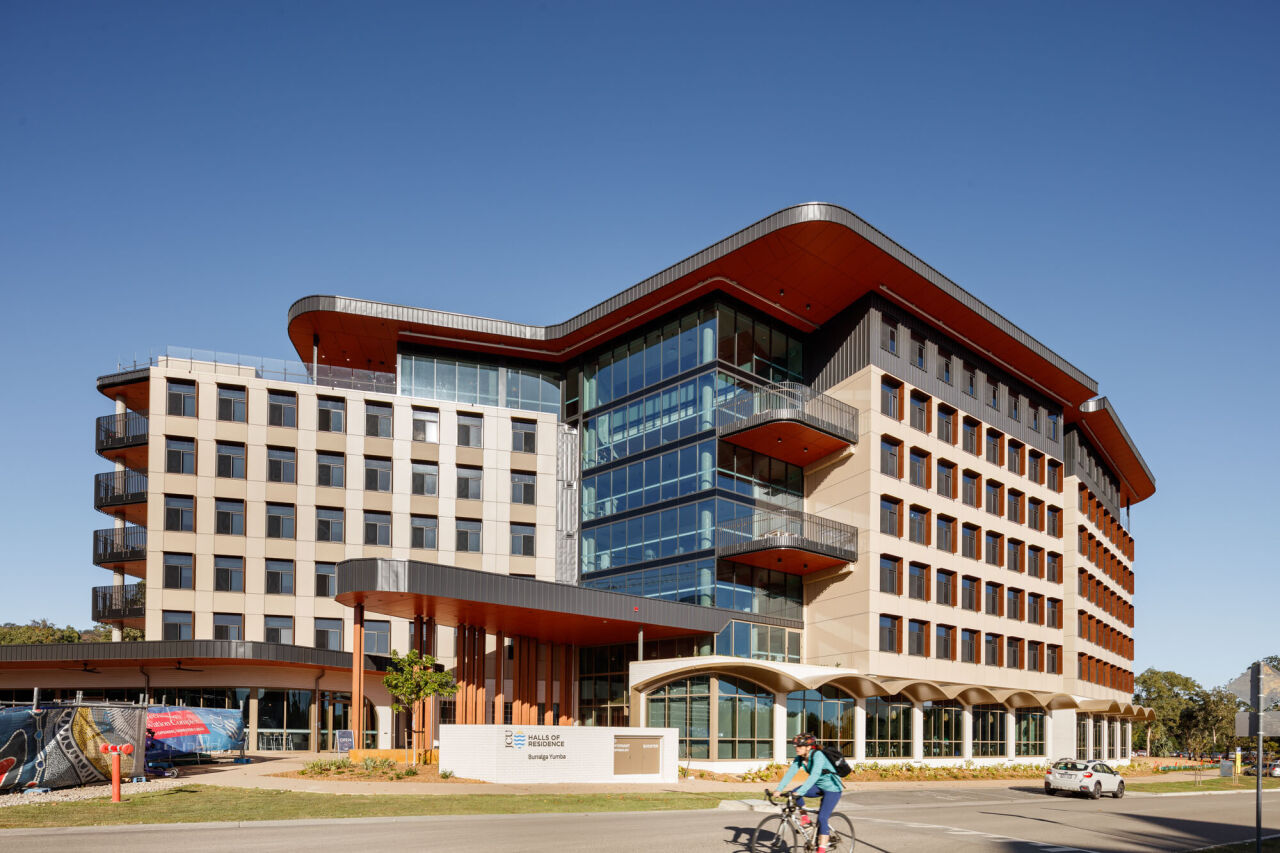
James Cook University has its Townsville campus at Douglas, known as Bebegu Yumba, and a Cairns campus at Smithfield. The university's research strengths include tropical health and medicine, marine science, earth and environmental science, and northern Australian studies. Research centres such as the Australian Institute of Tropical Health and Medicine and the ARC Centre of Excellence for Coral Reef Studies generate a steady stream of media interest. You can see the current release stream on the JCU news and media releases page.
When a tropical low forms in the Coral Sea, the media team's day changes by 7am. Producers call for a meteorologist or disaster researcher, and reporters want someone who can talk about storm surge and evacuation. You are not drafting a statement in a quiet office. You are deciding who fronts the 6pm bulletin and what they can safely say.
Because the market is compact, relationships carry more weight than in a capital city. A senior media liaison officer who knows which producer takes briefings at 5am and which journalist covers local government will get a researcher on air faster. The local job market rewards people who can turn around clear, accurate information when every outlet is chasing the same expert. If you are new to Townsville, show the panel how you have built a source network quickly somewhere else.
What the selection panel looks for
Australian university hiring panels map evidence in your application to the selection criteria. They do not read cover letters for pleasure. If the ad asks for experience managing contentious media enquiries, your application should name the issue, the stakeholder you advised, the outcome you achieved and the speed at which you moved.
The panel is likely to test four things: your news judgement, your writing speed, your ability to stay calm when the phone runs hot and your willingness to make a call without waiting for a committee. None of those can be proved with adjectives. You prove them with examples. Panels also remember applications that show regional awareness: name the outlets, the producers and the community you would be serving.
| Your background | Lead with this in the application |
|---|---|
| Newsroom journalism | Deadline writing, source relationships and translating complex research for a general audience |
| Government media adviser | Issues management, ministerial or executive briefings and rapid response during incidents |
| University or corporate communications | Campaign planning, stakeholder management and media pitching for research and corporate stories |
| Marketing or PR agency | Account management, crisis work and producing content under tight turnaround |
If you come from a newsroom and have never applied for a university job, read the advice on how to write a winning academic CV before you draft anything. The structure is different, but the evidence you need is the same: specific work and clear outcomes.
How to put in an application that gets read
Start with the job ad, not with your existing resume. Pull the selection criteria out and turn them into headings. For each heading, write a short example that says what you did, how quickly you did it, what changed as a result and who you had to bring with you.
- Open the official advertisement and copy the selection criteria into a blank document.
- Put the most relevant two examples from your career next to each criterion.
- Draft your cover letter using those examples, with the strongest one in the first paragraph after the opening.
- Keep the whole letter under two pages and make sure every sentence either answers a criterion or shows evidence.
- Proofread the letter out loud the day before you submit it.
Do not write a generic opener about being a passionate communicator. The first paragraph should name the job, name the university and show that you understand the North Queensland media environment. That is rarer than you think.
If the ad names a contact officer, call them before you apply. Ask what the first ninety days look like and which two issues are currently taking up the media team's time. Use the answers in your letter. If you have a portfolio of media releases or coverage reports, link to it in your CV header.
What happens after you apply
You apply through the JCU careers portal. The same vacancy is listed at AcademicJobs, which is useful if you want to keep all your university media job applications in one place.
University hiring can be slow. After the closing date, expect a shortlisting gap before interview invitations. If you are shortlisted, you may get a phone or video interview first, then a panel interview. The panel may include the media manager, a senior communications colleague, a human resources representative and sometimes an academic stakeholder. You might be asked to complete a written task, usually a draft media release or a response to a mock enquiry. Treat that task as the deciding piece of evidence.
Keep a file with three recent media releases you wrote, two difficult enquiry threads you managed and one example of coverage you secured. You will not need to submit it, but you will want it in front of you during the interview.
Do this week
Read the full advertisement once, slowly. Call the contact officer if one is listed. Write the first three paragraphs of a cover letter that mentions this job, JCU and the Townsville media market. Book forty-five minutes to tailor your CV to the selection criteria.
Then submit through the official portal before the deadline. The strongest media candidates do not wait for the close date to think about their application, and neither should you.




Discussion
Be the first to comment on this article!
You’ll be asked to sign in before your comment is posted.