
At a glance
QUT is hiring a Research Data Specialist in Brisbane. This guide covers what the role involves, who should apply, the national data policy context and how to prepare a strong application.

Queensland University of Technology is advertising a Research Data Specialist position, and the title tells you more than most recruitment ads do. QUT is not hiring for a discipline. It is hiring for the layer of research that determines whether data can be found, understood, trusted and reused after the grant ends.
The job sits in the middle of a problem every Australian university knows: research groups generate enormous amounts of data, but the documentation and storage around that data often lag years behind the instruments that create it. A specialist exists to close that gap, not by writing more policy, but by working project by project.
A collaborator — call her Dr. M — spent seven weeks rebuilding a longitudinal cohort dataset after the codebook left with a finished thesis student. The files were still there. The definitions were not. Multiply Dr. M by every lab you know, and you will understand why central specialist roles exist.
What the role will actually ask you to do
At a university of QUT's size, a research data specialist rarely does one job. The work sits between the groups that produce data and the systems that store, publish, or retire it. A data management plan is meant to be the bridge, but most researchers treat it as a form to fill in. This role is the person who makes the plan operational.
Most weeks will include some mix of the following.
- Working with researchers to write data management plans that survive contact with a real project.
- Curating datasets so variables, units, collection dates and consent conditions are documented.
- Advising on storage, retention and destruction schedules, especially for sensitive or health-related data.
- Training graduate students and early-career researchers in good data practice before they start collecting.
- Supporting data publication, including metadata, licences and version control.
Some of that is technical, but the job is not a systems administrator role. The successful applicant will spend more time asking researchers what their data means than running scripts. That distinction matters when you are deciding whether to apply.
The base rate at a big Australian university
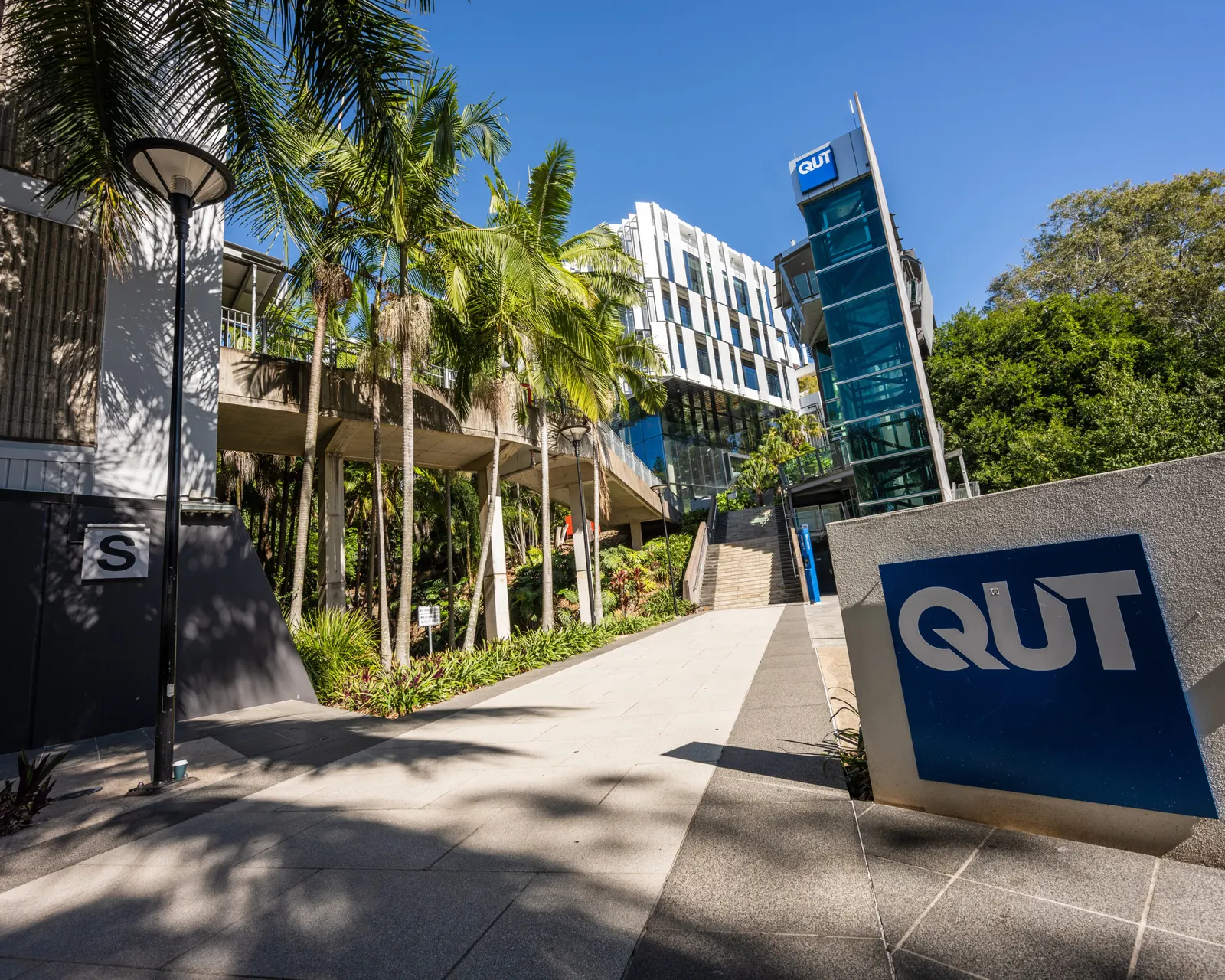
QUT teaches roughly 50,000 students and operates across two main Brisbane campuses — Gardens Point in the city centre and Kelvin Grove in the inner north. Its research spans health, engineering, education, law and design, which means the central data support team handles requests from projects with very different expectations, regulatory burdens and levels of data maturity.
The base rate at institutions this size is simple: central support is small relative to the number of active projects. The specialist inherits a queue. The exception is a school where a senior researcher has already enforced basic data habits for years; those labs send fewer last-minute rescue requests and more productive questions about publication, licensing and machine-readable metadata.
That base rate is not unique to QUT. It is the standard operating condition of research data support across Australian universities, which is why the role tends to reward people who can triage rather than people who need everything to be orderly before they start.
Where QUT sits in the national data picture
Australian institutions now operate under the Australian Code for the Responsible Conduct of Research, which makes proper management of research data and primary materials an institutional obligation. The Australian Research Data Commons runs national services, training and guidance that feed directly into university data practices.
The shift toward FAIR data — findable, accessible, interoperable and reusable — has moved from a seminar theme to a funder requirement. In practical terms, a dataset is findable when it has a persistent identifier and clear metadata, accessible when a person or system can retrieve it under well-described conditions, interoperable when it uses recognised formats and vocabularies, and reusable when someone other than the original research group can understand it well enough to use it correctly. That is the core work of a research data specialist.
QUT's specialist is being hired into that shift, not ahead of it. The role carries equal parts compliance work and research enablement, and the balance between those two depends on which faculty is asking for help on any given day.
Who should apply, and who should not
You do not need a PhD. Strong candidates in these roles come from library and information science, research administration, data science, or the lab bench. The ad will spell out the formal selection criteria, but the informal test is straightforward: can you explain a messy dataset to its owner without making them feel stupid, and can you document it so a stranger could use it in two years?
If you are moving from a research assistant background, the technical skills carry over more than candidates expect. The bigger adjustment is learning to work across a whole institution rather than one research group. Our earlier guide on excelling as a research assistant in Australia covers the habits that transfer.
People who need constant structure will find the role hard. There is no single national data standard that makes every lab's problem disappear, and the work often means choosing the least-bad pragmatic option while a researcher waits.
For candidates who want to map their evidence to the likely criteria before they apply, the table below works as a preparation tool.
| Selection area | Evidence worth preparing |
|---|---|
| Data management planning | A plan you wrote for a real project, plus the parts that changed after discussion with researchers. |
| Data curation and documentation | An example where you renamed variables, wrote a codebook, or prepared a dataset for deposit. |
| Training and communication | A workshop, presentation, or one-to-one session where you helped someone understand data practice. |
| Sensitive data handling | A case where you applied ethical, legal or privacy controls to data access or storage. |
| Technical ability | Scripts or workflows in Python, R, SQL, or a platform such as GitHub that show repeatable data processing. |
Those are examples, not a guarantee of QUT's exact criteria. The official position description remains the source to work from.
What this means for your lab
If you are a lab head, the opening is not someone else's problem. Central hiring works best when labs treat the specialist as a design partner, not a cleanup crew. Bring them in at the data management planning stage, before instruments are turned on, and you will get more useful help than if you call after a departing student has taken the only copy of a codebook.
If you are an applicant, the same logic applies. In the interview, ask where the role sits in the university's research infrastructure, who it reports to, and how success is measured after twelve months. The answer tells you whether the post is genuinely embedded in research services or a grant-required ornament.
One further point for lab heads: a central specialist does not reduce your responsibility for research data. It changes the responsibility from doing everything alone to collaborating with someone who can spot problems early. The labs that benefit most are the ones that show up with a named project, a rough timeline, and a willingness to change an existing workflow when the advice is uncomfortable.

One concrete next step
Open the formal advertisement on QUT's recruitment portal and check the closing date. Then return to the AcademicJobs.com listing to review the position summary. Write one short paragraph for each selection criterion in the official position description, attach a concrete dataset, system, or training session to each example, and submit through the portal before the deadline. If you are not applying this time, set a saved search on AcademicJobs.com so the next specialist role reaches you before it reaches the saturation point of the job boards.
- research-careers
- university-jobs-australia
- research-data-management
- research-data-specialist
- fair-data