
What This Hire Says About Tourism and Marketing Faculty Demand
Taylor's University has put a clear job on the table for a Professor or Associate Professor in Tourism and Marketing, and it's the kind of hire that tells you exactly where the institution is pushing next. You apply through the university's careers page, but the role itself is bigger than one faculty slot.
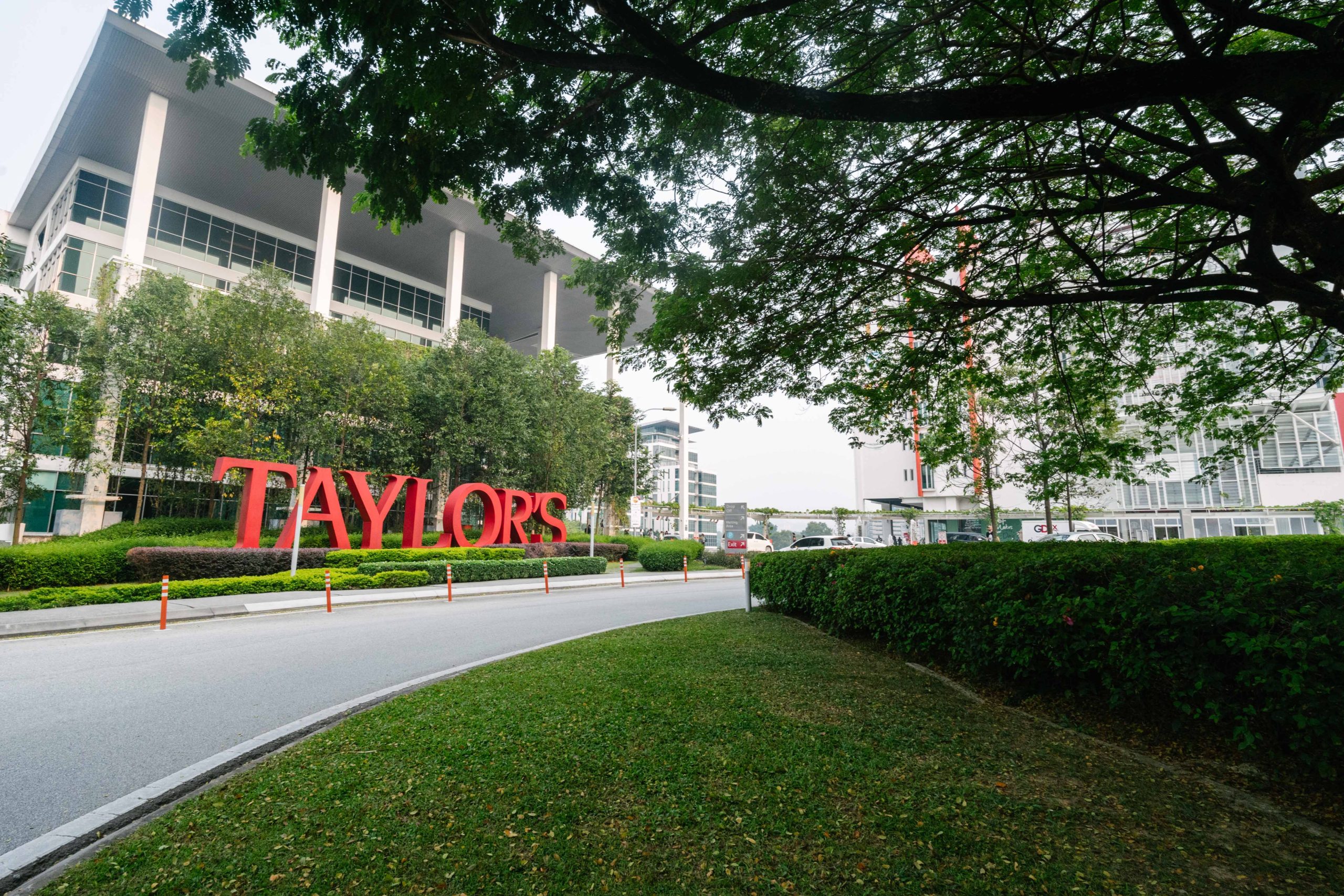
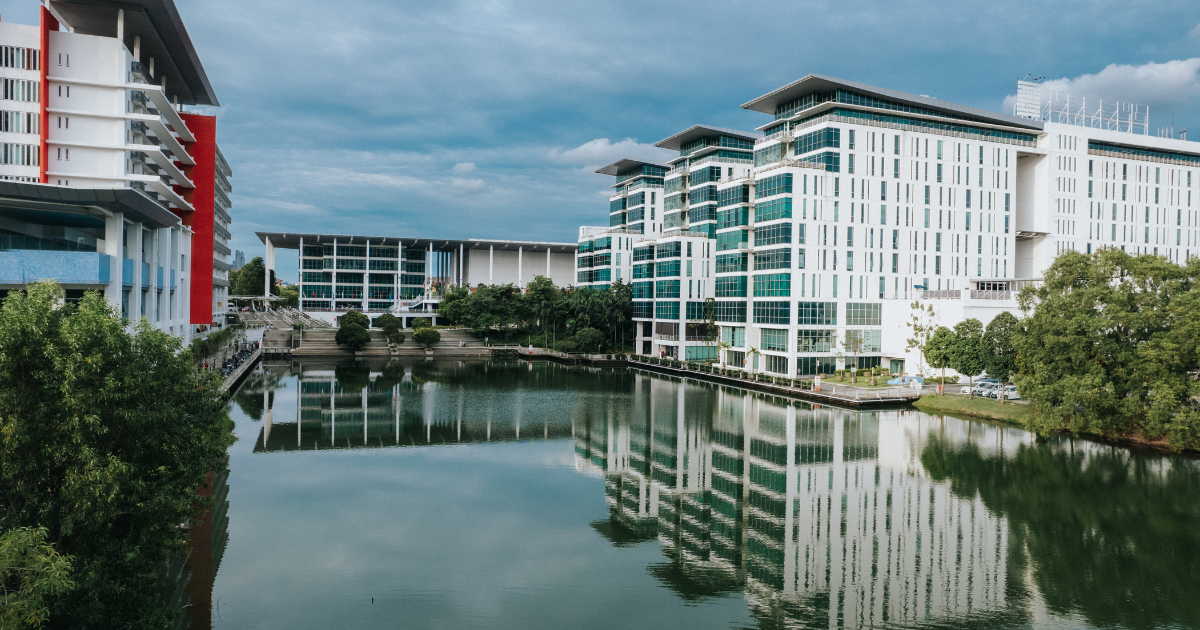
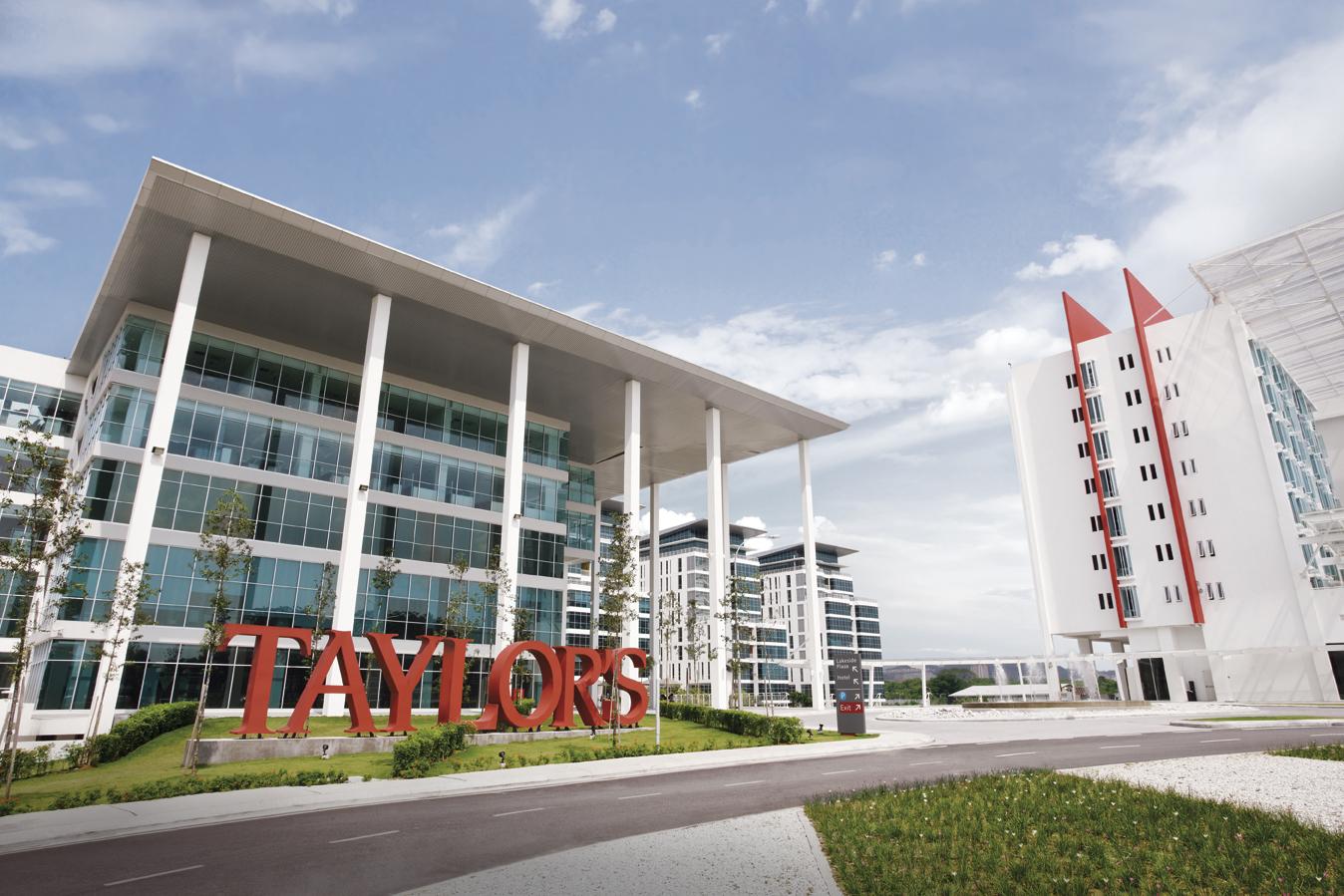
The position sits at a private Malaysian university in Subang Jaya, Selangor, part of greater Kuala Lumpur. Taylor's has spent years building its hospitality and events reputation, with training kitchens, event spaces, culinary operations and student-run outlets on campus. Tourism and marketing matter there because the surrounding economy depends on hospitality, route development, destination branding, and the return of international visitors after the pandemic. A senior academic in this field is expected to connect those moving parts, not publish in a silo.
If you're reading the posting, don't get stuck on the title. The real questions are whether the school wants someone who can win industry research money, design postgraduate coursework, and supervise students through live client briefs. Most senior tourism and marketing hires in this region fail because candidates pitch themselves as either pure marketers or pure tourism researchers. The strongest ones name specific destination problems they've worked on and show the evidence.
For international candidates, the location is part of the appeal. You're in commuting distance of Kuala Lumpur's international airport, a short flight from Singapore, Bangkok, Jakarta and Ho Chi Minh City, and embedded in a market where Muslim-friendly tourism and Chinese outbound travel shape the research agenda.
What the Role Actually Involves
At the Professor or Associate Professor level, the job will almost certainly include teaching across tourism, hospitality, destination marketing and digital marketing subjects, supervising master's and doctoral students, and producing research that aligns with the university's research priorities. The careers page is the place to check current wording, but the shape is familiar across Malaysia's private universities.
Expect a teaching load that runs heavier than a research-intensive public university in the UK or Australia. Private universities in Malaysia make their budgets through tuition, so you'll be in front of students often. The upside is that the students are often industry-facing, with internships and family businesses across ASEAN, China, the Gulf, and Europe. That gives you access to live data and industry contacts if you ask for it.
Postgraduate supervision matters more than many applicants think. If your CV lists publications but no completed supervisions, the committee will notice. If you've helped students finish on time and place into hotels, airlines, destination marketing organisations, or tourism agencies, spell that out early.
The university's research clusters cover tourism, hospitality, events and culinary arts, so you may be asked to contribute to grant applications and industry consultancy. If you have run a destination-marketing campaign, a service-quality audit, a route-development feasibility study, or a post-pandemic recovery study, bring that portfolio into the conversation. The strongest senior candidates treat industry work as evidence of academic impact, not a separate box to mention at the end.
Why Malaysia's Tourism Recovery Makes the Role Timely
Malaysia's tourism economy has been rebuilding since border restrictions eased, and the pressure on universities is to produce graduates and research that help tourism businesses adapt. UN Tourism's World Tourism Barometer shows Asia-Pacific arrivals recovering in stages, and Tourism Malaysia publishes arrivals and campaign data that show the markets the industry is chasing.
For a senior academic, that means you can frame your research around recovery economics, Muslim-friendly tourism product development, digital distribution, and destination branding. Those are not niche interests in Malaysia; they're central policy concerns. The government has identified tourism as a priority sector, and universities are expected to align research with national recovery goals.
This timing matters in a practical way. A professor who can connect marketing metrics to inbound tourism performance is useful to hotel groups, state tourism boards, federal agencies, and airline route planners that are all trying to convert renewed interest into bookings. That's the type of cross-disciplinary scholar this posting is designed to attract.
What Strong Applicants Do Differently
Here's how to make a Taylor's application land in the short pile.
- Open your cover letter with your tourism and marketing research focus in one sentence, then connect it to Southeast Asia or Muslim-majority travel markets. The committee does not want a generalist introduction.
- Show a record of supervising students through applied projects. Name the project, the industry partner, and the outcome.
- Lead with applied marketing evidence: conversion data, campaign evaluations, destination-brand audits, or market-entry studies. Pure theoretical framing can wait.
- Tell them when you can start. Visa and relocation timelines matter for international hires, and a candidate who offers a realistic start window saves everyone time.
Where Candidates Waste Their Time
Don't send a forty-page CV. Don't list every conference paper from the last two decades. Don't tell the committee you're passionate about tourism without showing you know how Malaysian inbound travel works. These habits waste the committee's time, and in a competitive senior search they push you out of the pile.
Taylor's advert is clearer than most university ads because it names the discipline and the level. Good academic job ads do that. I've written before about employer branding in higher education, and this one gets the basics right by signalling seniority and subject area.
What candidates can't see from the title is how fast the process will move. Private universities in Malaysia can move quicker than public-sector hiring, but committees still stall when they haven't shortlisted early. If you apply, follow up within two weeks with a short email. Name the role clearly. Attach a one-page research plan tied to tourism recovery or destination marketing in the region.
Another mistake is to bury applied work under a long list of journal articles. For this role, a candidate who has worked with a destination marketing organisation, a hotel revenue team, an airline loyalty programme, or a cruise and tour operator has a story the committee can use. Lead with that story before your publication metrics.
Apply Through the Official Careers Page
You can see the full posting on Taylor's University careers page. The university asks applicants to use its online system, so don't bypass it by emailing a dean directly; you'll just create duplicate records. Prepare a current CV and a cover letter that maps your teaching, research, supervision and industry-engagement experience to tourism and marketing. Also have the names of two or three referees who can speak to applied work.
If you want a clean summary of the role while you prepare, the listing at Professor / Associate Professor - Tourism and Marketing keeps the application link and key details in one place.
Apply this week, not next month. Senior searches in tourism and marketing are moving faster across Southeast Asia, and the strongest candidates treat an open posting as a live opportunity rather than a document to polish indefinitely. Set a reminder to follow up in fourteen days, and keep a short record of the date you submitted. That follow-up habit is often the difference between being considered and being forgotten.



Discussion
Be the first to comment on this article!
You’ll be asked to sign in before your comment is posted.