

At a glance
Discover the Harvard Academy Scholars Program, a two-year postdoctoral fellowship supporting early-career social scientists with expertise in regions outside the US and Canada.
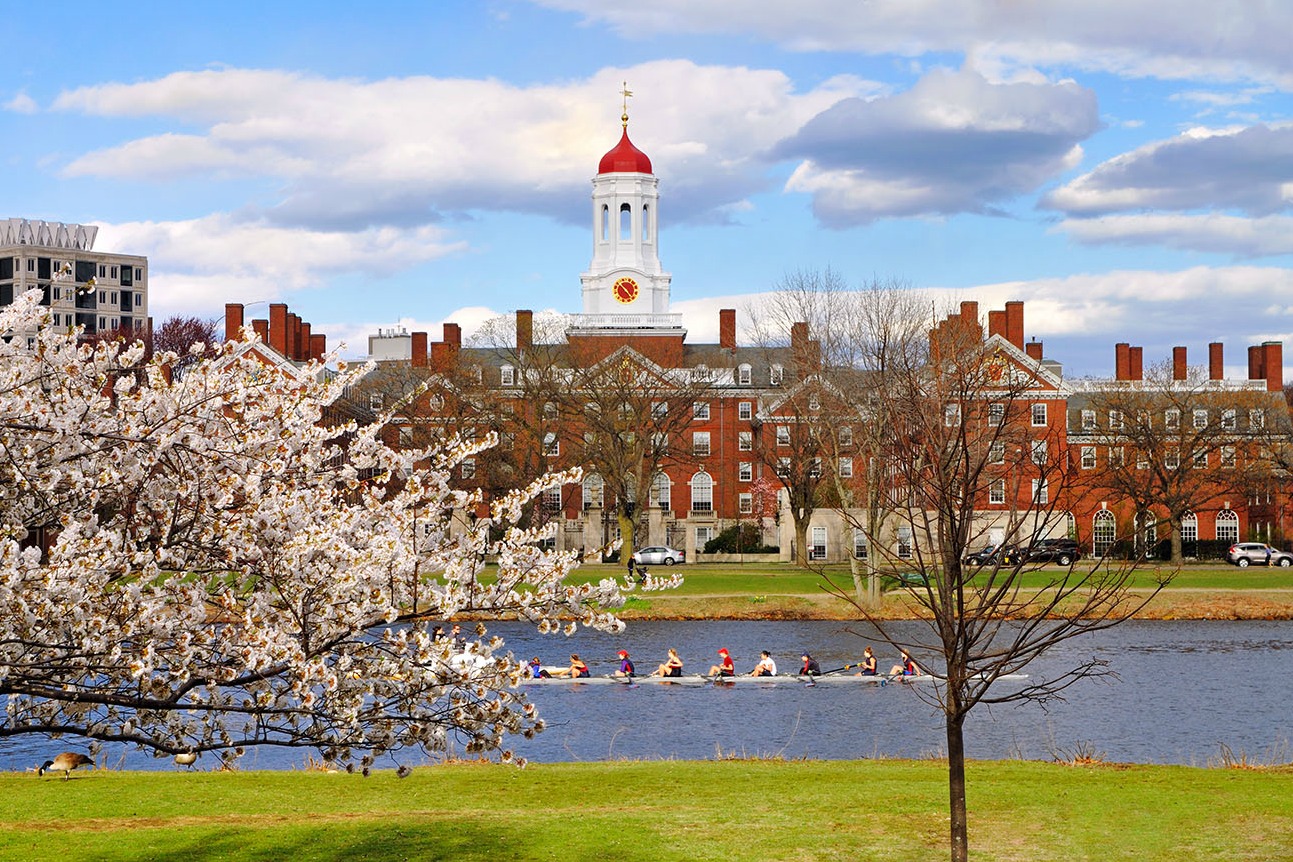
Exploring Prestigious Opportunities in International Scholarship
The pursuit of advanced research in the social sciences often leads scholars to seek environments that foster deep interdisciplinary collaboration and global perspectives. One standout program in this landscape is the Academy Scholars Program offered by The Harvard Academy for International and Area Studies at Harvard University. This initiative stands out for its commitment to supporting early-career researchers who excel in their disciplines while demonstrating profound expertise in regions outside the United States and Canada.
Designed as a two-year in-residence postdoctoral fellowship, the program equips participants with the resources and mentorship needed to advance innovative projects. It emphasizes the integration of rigorous social science methodologies with nuanced understandings of cultural, historical, and political contexts from around the world. For those navigating the competitive terrain of academic careers in higher education, this fellowship represents a pivotal step toward establishing a robust research profile.
The Mission Behind the Harvard Academy
At its core, The Harvard Academy for International and Area Studies aims to bridge disciplinary excellence with area-specific knowledge. This approach encourages scholars to examine comparative, transnational, and domestic issues through lenses that transcend traditional boundaries. By hosting a select group of Academy Scholars each year, the program cultivates a vibrant community dedicated to expanding knowledge about global regions and their interconnections with broader social phenomena.
The initiative aligns closely with broader trends in higher education, where institutions increasingly value research that incorporates linguistic proficiency, cultural immersion, and contextual expertise. Participants benefit from access to Harvard's extensive resources, including libraries, seminars, and faculty networks, all while residing in Cambridge, Massachusetts. This setting provides an ideal backdrop for focused inquiry and professional development.
Who Qualifies for the Fellowship
Eligibility centers on individuals who have recently earned a PhD or equivalent degree in the social sciences, or those who are advanced doctoral candidates nearing completion. Specifically, recipients must have received their degree within two years of the August 1 start date for the fellowship cycle. Advanced candidates must provide official documentation of degree conferral by June 30 of the relevant year.
Importantly, the program targets those whose work demonstrates a strong command of languages and deep familiarity with countries or regions beyond North America. Fields span anthropology, economics, government, history, political science, sociology, and related disciplines. Individuals who have already completed another postdoctoral fellowship are ineligible, ensuring the opportunity supports scholars at the earliest stages of their independent research careers.
This focus on emerging talent helps address gaps in higher education by nurturing diverse voices and perspectives from the outset. Scholars from varied international backgrounds often bring unique insights that enrich the academic community at Harvard and beyond.
Comprehensive Support and Fellowship Terms
Each Academy Scholar receives a two-year appointment with an annual stipend of $80,000, supplemented by $6,000 in annual research support. The structure allows the two years to be completed within a three-year window, offering some flexibility while maintaining a primary in-residence requirement at Harvard.
Year one must begin no later than the fall following the offer, with no deferrals permitted for the initial year. Between the two years, scholars may request a one-time leave of up to 12 months, typically to accept a tenure-track position, but not for other professional pursuits. Outside funding or obligations are generally not permitted during the appointment, though teaching a Harvard class may be invited.
These terms provide substantial stability, allowing recipients to dedicate time to ambitious projects without the immediate pressures of securing additional grants or positions. The financial package compares favorably to many entry-level academic roles, underscoring the program's investment in long-term scholarly success.
Navigating the Application Process
Applications open annually, with a firm deadline of September 18, 2026, at 11:59 PM EDT for the 2027-2028 cycle. All materials must be submitted online through the designated portal, and late submissions are not accepted. The process emphasizes completeness, as incomplete applications place candidates at a disadvantage during review.
Required components include a curriculum vitae detailing publications, a research proposal of up to 2,000 words outlining intellectual objectives and methodological approaches, and one scholarly writing sample such as a dissertation chapter or peer-reviewed article limited to 50 pages. A PhD program transcript and three confidential letters of recommendation complete the package. Letters must arrive shortly after the main deadline.
Applicants are encouraged to plan ahead, particularly for securing recommendations. The selection committee begins reviewing materials promptly after the deadline, with announcements typically issued in December. This timeline allows successful candidates ample preparation time before the August start.
Insights from Current and Former Scholars
The program attracts a diverse cohort whose research spans continents and themes. Recent participants have explored topics such as political economy in the Middle East, governance and corruption in sub-Saharan Africa, labor markets and inequality in South Asia, and environmental transitions in Latin America. Their work often combines quantitative rigor with qualitative depth, yielding publications that influence both academic discourse and policy discussions.
Mentorship from Harvard Academy Senior Scholars, including distinguished faculty across economics, government, history, and sociology, provides guidance tailored to individual projects. Regular dinners, seminars, and informal gatherings foster interdisciplinary dialogue, helping scholars refine ideas and build lasting professional networks.
Alumni frequently transition into tenure-track positions at leading universities or roles in international organizations, demonstrating the program's effectiveness in launching impactful careers. Their experiences highlight how the fellowship cultivates resourcefulness and originality essential for success in competitive academic environments.
Broader Impact on Higher Education and Research
By prioritizing area studies alongside disciplinary training, the Academy Scholars Program contributes to a more globally informed social sciences landscape. In an era of interconnected challenges—from economic inequality to political transformations—this emphasis proves increasingly valuable. Scholars emerge better equipped to address complex issues with sensitivity to regional contexts.
The program also supports Harvard's commitment to inclusive scholarship, welcoming applicants from around the world. This diversity strengthens the university's role as a hub for international research and enriches classroom and seminar experiences for the broader community.
Institutions across the United States benefit indirectly as program alumni assume faculty roles, bringing fresh perspectives and collaborative approaches to their new departments. The ripple effects extend to undergraduate and graduate training, where exposure to such expertise enhances educational quality.
Strategies for a Strong Application
Successful candidates typically present proposals that articulate clear research questions, innovative methods, and feasible timelines within the two-year framework. Demonstrating how the project advances both a specific discipline and area knowledge is key. The writing sample should showcase analytical depth and scholarly promise.
Letters of recommendation carry significant weight, so applicants benefit from selecting referees who can speak to both disciplinary strengths and regional expertise. Transcripts from international institutions should include as much official documentation as possible to provide context for reviewers.
Reviewing the detailed guidelines on the official site helps clarify expectations around footnotes, co-authored work, and fieldwork considerations. Many applicants find it useful to align their proposals with ongoing conversations in their fields while highlighting unique contributions.
Looking Ahead: Future Trends in Academic Fellowships
Postdoctoral opportunities like this one continue to play a vital role in higher education, particularly as the academic job market evolves. Programs that combine financial support with mentorship and community-building help mitigate some challenges faced by early-career researchers. Trends suggest growing emphasis on interdisciplinary and globally oriented work, positioning initiatives like the Academy Scholars Program at the forefront.
As higher education institutions adapt to changing demographics and priorities, fellowships that promote area expertise will likely remain in demand. Prospective applicants are encouraged to monitor updates on eligibility and deadlines through official channels to stay informed about evolving opportunities.
Taking the Next Step in Your Academic Journey
For scholars passionate about combining social science rigor with deep regional knowledge, the Academy Scholars Program offers an exceptional platform. The structured support, collaborative environment, and prestigious affiliation provide a strong foundation for future contributions to academia and beyond.
Those ready to apply can access full details and submit materials via the program's dedicated portal. Exploring related listings on specialized academic job platforms can further illuminate similar opportunities tailored to faculty and research roles in higher education.
- academic-careers
- social-sciences-research
- postdoctoral-fellowship
- higher-education-opportunities
- harvard-academy-scholars