
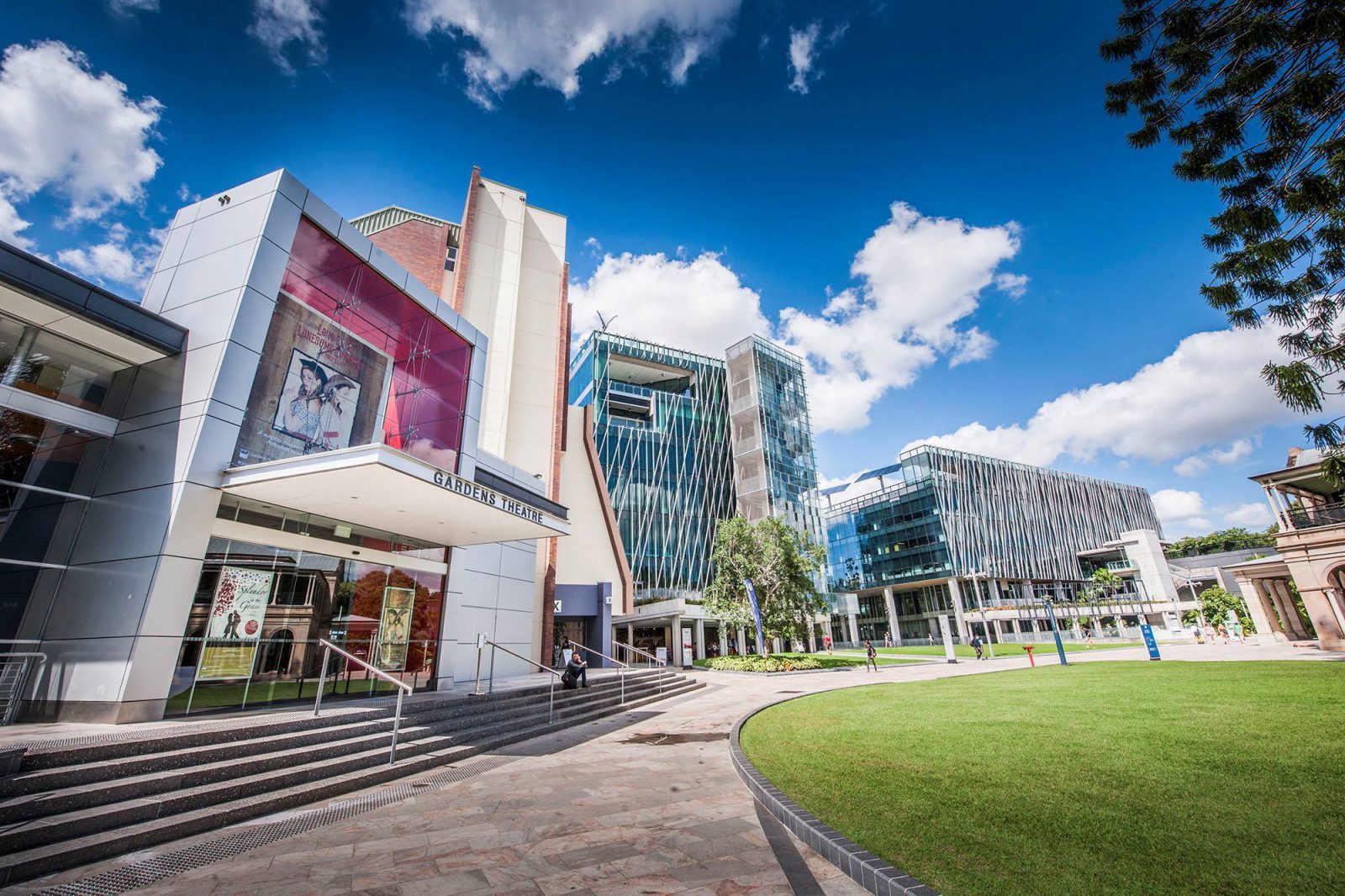
Most people click a university job ad, see the title "Accessibility Officer", and assume they know the job. Then they skim past the detail that determines whether the role will matter: where it sits, who it reports to, whether it carries any real authority, and how much of the budget it can touch. The Queensland University of Technology vacancy is worth the slower read.
QUT has opened applications for an Accessibility Officer through its NGA.net recruitment portal. The advertisement is also listed at AcademicJobs. For anyone who has been waiting for a role that blends direct student support with systemic change, this is one to watch.
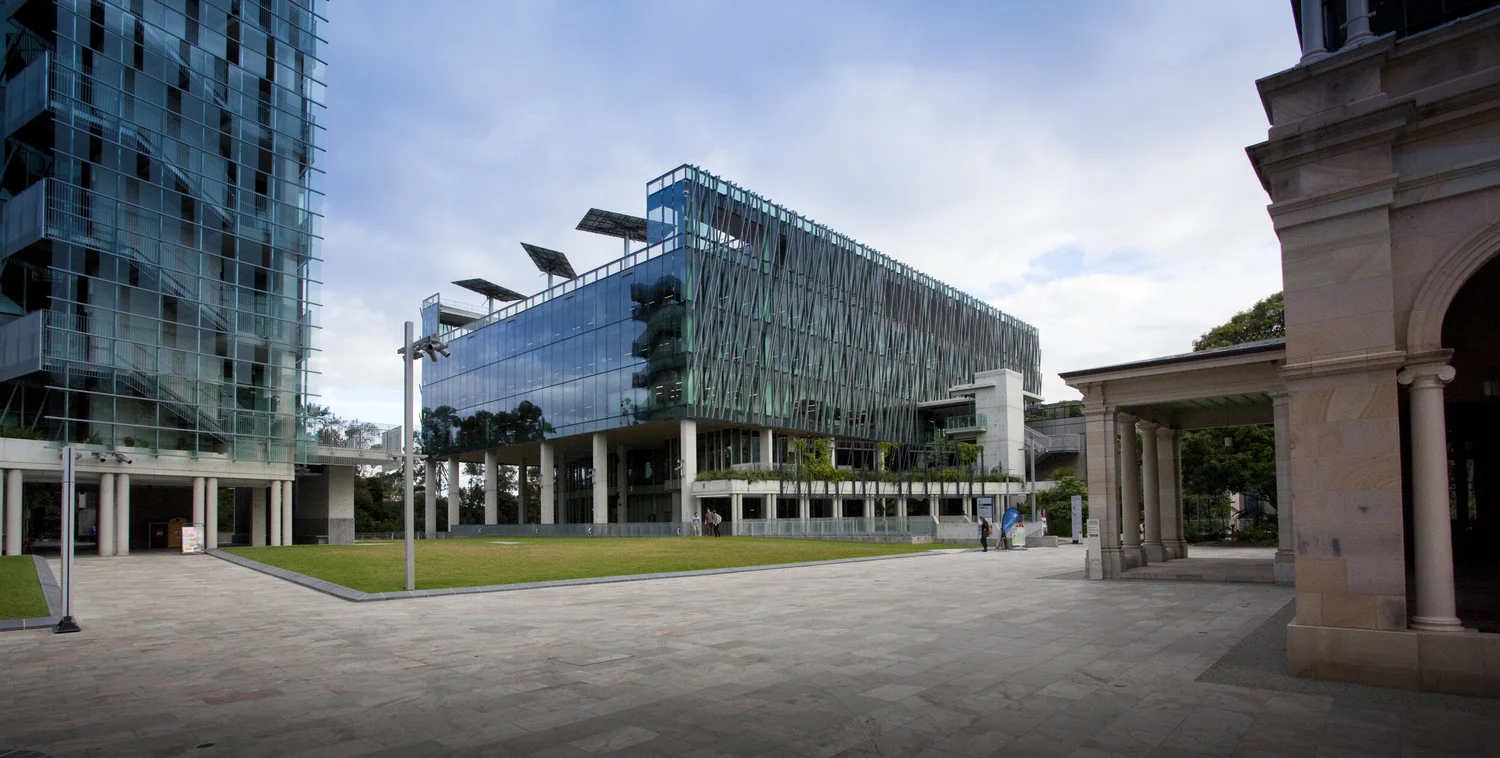
You'll be working at a Brisbane institution with campuses at Gardens Point and Kelvin Grove, one of Australia's larger universities and a regular employer of professional staff across student services, equity and infrastructure. The role touches physical spaces, digital systems, the learning materials and processes that sit between them, and the staff who have to make all of it work.
What an accessibility officer actually does in a university
Accessibility work is practical. An accessibility officer exists to remove barriers before they stop a student from learning or a staff member from doing their job. That can mean something as routine as converting a document into an accessible format, or as involved as reviewing a new learning management system before it goes live.
At an Australian university, the work usually includes:
- Assessing individual reasonable adjustment requests and coordinating supports such as Auslan interpreting, assistive technology or exam adjustments
- Advising teaching staff on accessible course materials, captioned media and alternative assessment formats
- Reviewing digital platforms against the Web Content Accessibility Guidelines (WCAG), currently version 2.2 AA for most organisational targets
- Running accessibility audits across buildings, events and online services
- Contributing to the university's Disability Action Plan and its annual reporting
The variety is real. One day you're working with a student who uses screen-reading software. The next you're asking a procurement team whether a proposed software contract guarantees keyboard-only operation. That is the role's value: it forces the institution to think about access before the person arrives.
Why this role sits inside a legal framework
Universities don't create accessibility roles out of goodwill alone. The Disability Discrimination Act 1992 (DDA) makes it unlawful to discriminate on the ground of disability in education, employment, access to premises and the delivery of services. The Disability Standards for Education 2005 turn those broad rights into specific obligations for schools and post-secondary institutions.
The standards require education providers to consult with students with disability, make reasonable adjustments unless doing so would impose unjustifiable hardship, and plan for inclusion across the student journey. An accessibility officer is often the person who converts that requirement into an action list, builds the consultation process, and tracks what gets done.
Australian Bureau of Statistics data from the Disability, Ageing and Carers survey puts the number of Australians with disability at roughly 4.4 million, close to one in six people. At a university of QUT's size, hundreds of students and staff may request an adjustment in any given year. The role exists because waiting for individual complaints is a poor way to run an institution. The ABS has current summary data.
There is a difference between a university that hires an accessibility officer to meet compliance and one that gives the role enough seniority to change practice. The QUT advertisement's reporting line and key accountabilities tell you which version is likely. Read them before you romanticise the title.
What the right experience looks like
You don't need to be a lawyer or a developer. You do need to understand how disability discrimination shows up in systems and process, and how to fix it without making the person with disability responsible for the fix.
Strong candidates come from several directions. Some have worked in student services or disability support. Others come from digital accessibility testing, inclusive design, human resources, allied health or community advocacy. The common thread is specific experience with the Disability Discrimination Act and the confidence to apply it in real workflows.
For a university role, hiring panels look for evidence that you can handle casework and systems. They want to know you've coordinated an adjustment with a student or employee, not that you've sat through equity training. If you've written an accessibility statement, completed a WCAG audit, or run a consultation with people with disability, say so with a specific example.
Digital skills matter more than they did a decade ago. Universities run on learning management systems, lecture capture, portals and PDFs. If you can talk about captioned media, screen reader compatibility and accessible document design, you'll separate yourself from candidates who only know the compliance language.
How to read the QUT advertisement before you apply
The QUT advertisement is the primary source. It lists the classification, the reporting line, the key accountabilities and the closing date. Read it before you read anything else, including this article.
Don't apply for the title alone. Accessibility Officer roles can mean different things depending on the unit. One role might sit inside the library and focus on accessible resources. Another might sit in Human Resources and handle staff adjustments. The QUT position description tells you which part of the university owns this role and what the first year's priorities are likely to be.
If the advertisement asks for experience with WCAG 2.2, UDL or a particular case management system, don't claim familiarity you don't have. But do translate your experience into the language of the advertisement. If you've managed individual education plans in a school, show how that mirrors the consultation and adjustment workflow a university accessibility officer uses.
Also look at QUT's public-facing equity and access information. It shows the language the institution already uses and the priorities it is willing to name. That tells you whether you're walking into a genuine inclusion role or a compliance checkbox.
The advertisement should state the salary classification. In Australian university enterprise agreements, professional roles like this commonly sit at Higher Education Worker (HEW) levels 6 to 8 depending on the autonomy and complexity of the work. Exact salary and employer superannuation will be set out in the QUT position description and enterprise agreement.
A stronger application in five steps
You can improve your chances without padding your CV. Do this:
- Download the position description from the QUT accessibility officer listing and read the selection criteria twice.
- For each criterion, write one specific example. Start with the context, then the action you took, then what changed as a result. Keep it under 200 words.
- Address the digital accessibility requirement explicitly, even if it's a small part of the advertisement. Mention WCAG 2.2 AA, document accessibility or testing with assistive technology.
- Show how you've consulted with people with disability rather than making decisions about them. Panels notice this difference.
- Submit before the closing date and request any recruitment adjustments you need through the contact listed in the advertisement. The official application link is on QUT's NGA.net portal.
If the selection criteria are long, don't treat them as a formality. Australian university panels score against them. A well-chosen example of one adjustment you coordinated is worth more than a paragraph of general knowledge.
The best preparation this week is to open the QUT advertisement, highlight every verb in the accountabilities, and write one sentence saying how you've done that exact task. Not "I have experience in accessibility." Write: "I converted 40 course readings into accessible formats and trained six tutors to use captioned lecture recordings." That sentence belongs in your cover letter.




.jpg)
.jpg)



Discussion
Be the first to comment on this article!
You’ll be asked to sign in before your comment is posted.