

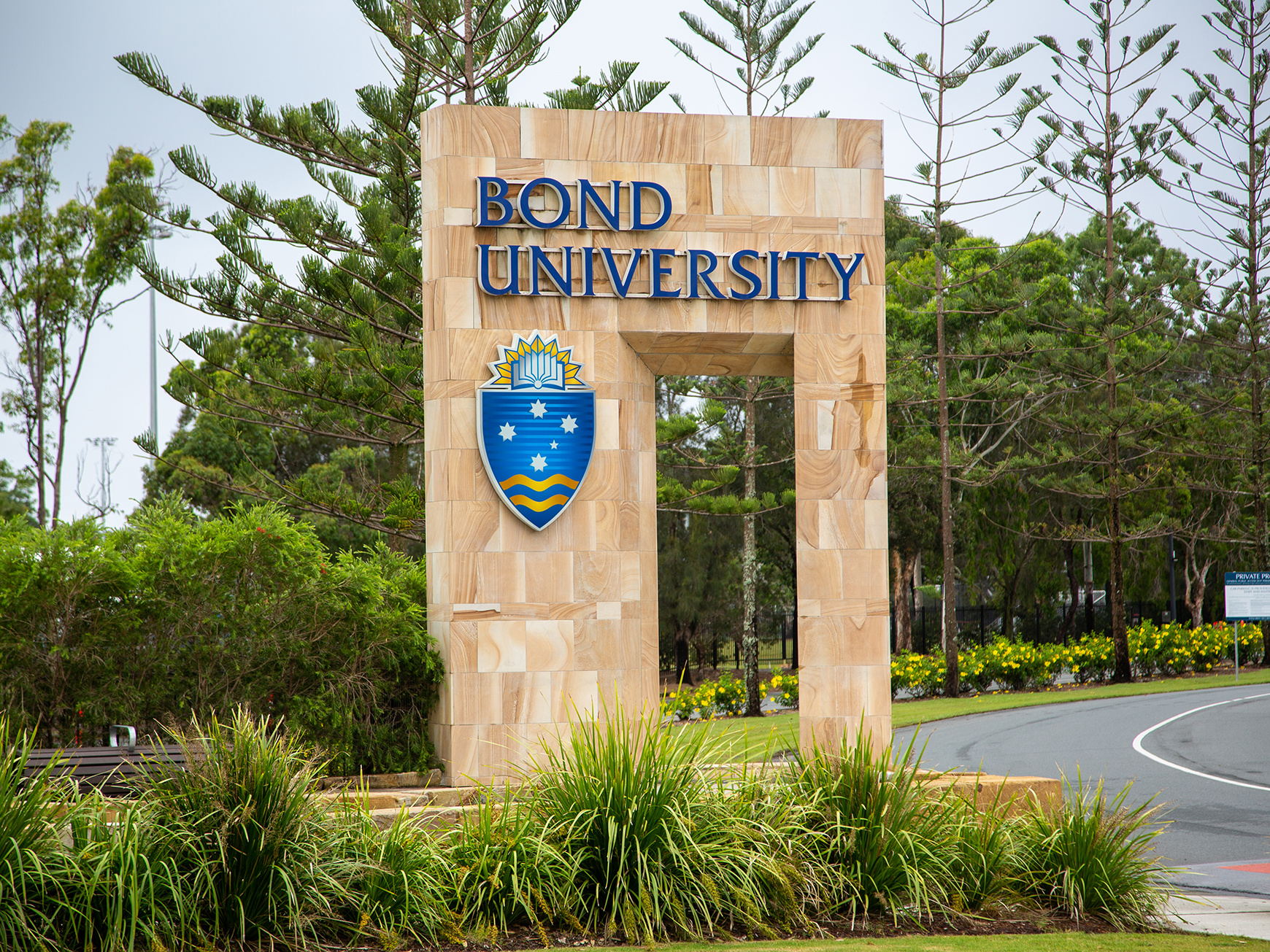
Bond University has put an Assistant Professor (A) in First Nations Health on the market, and the advertisement is live now. If you work in Indigenous health education, this is the position you should read before it disappears into a committee's shortlist.
The role sits on the Gold Coast at Australia's first private not-for-profit university, established in 1987. It is not a generic health academic post. The title names First Nations health as the core, which means the successful candidate will be expected to shape subjects, teach cultural safety and build research with Aboriginal and Torres Strait Islander communities. The health system cannot fix outcomes with good intentions alone. It needs people inside universities who know how to teach the next generation of clinicians what First Nations patients actually need.
The health context that gives the role weight
In 2021, the national Census counted 812,728 Aboriginal and Torres Strait Islander people, about 3.2 per cent of the population. The gap in life expectancy is still measured in years, not months. The Aboriginal and Torres Strait Islander Health Performance Framework has tracked an 8.6-year gap for men and a 7.8-year gap for women. Those are not distant statistics. They show up in hospital wards, clinics and maternal and child health services.
A health academic who can teach this context well changes what a graduate does on their first clinical rotation. That is why the position is not an add-on. It sits inside the teaching core.
What you are actually applying for
Expect a standard academic mix: teaching, research and service. In this role, the load lands in specific places. You will teach First Nations health content across health science and medicine courses. You will work with other academics to make sure cultural safety is assessed, not just mentioned. You will carry a research program that works with community-controlled health organisations rather than around them.
At Bond, the teaching calendar runs on three semesters a year. If you have only worked at a semester-based institution, ask how the workload is spread across the year. The structure changes how fast subjects move and how much of your research time sits in the same block as assessment marking.
Read the job ad before you write one line
Most applications for academic roles fail because the cover letter repeats the advertisement instead of answering it. Do not do that here. Go to the full position description on Bond University's jobs portal. The same vacancy is listed on AcademicJobs. Read both. If the ad asks for experience co-designing curriculum with Elders, say exactly where you have done it. If it asks about research with Aboriginal Community Controlled Health Services, name the service and the project.
- Open the full position description and read the selection criteria before anything else.
- Highlight the criteria that mention First Nations health, cultural safety and community engagement.
- Write a response that pairs each criterion with a concrete example from your work.
- Submit before the closing date, not on it.
Who should apply and who should think twice
First Nations health is not a side project. The role carries cultural responsibility and community expectations. Aboriginal and Torres Strait Islander academics are actively sought for positions like this, and many universities run targeted recruitment under their reconciliation and hiring policies. If you are non-Indigenous, your application has to demonstrate genuine partnership. That means research that was led by, co-owned by, or delivered with community, not about community.
The wider move across Australian health education
Bond's hiring is part of a sector shift. The Commonwealth's National Aboriginal and Torres Strait Islander Health Workforce Strategic Framework and Implementation Plan 2021–2031 aims to grow Aboriginal and Torres Strait Islander participation in the health workforce to match population share by 2031. Universities feed that pipeline. Health graduates enter the workforce with a set of assumptions about Indigenous patients, and those assumptions are shaped in the classroom.
Regulators have moved the same way. Australian health profession accreditation standards increasingly require cultural safety education, not just cultural awareness. The academic hired into this role will have to design teaching that meets those standards, not just an interesting elective.
Use the application as a test in both directions
Bond is assessing you; you should assess Bond. Ask who you will report to and whether the role has dedicated research time. Ask how the university handles cultural supervision and community relationships. Ask what happened to the last person who held the position. The answers will tell you more than the advertisement will.
Find out whether the workload model recognises Indigenous knowledge production. Many institutions struggle with this because promotion committees reward outputs that do not capture community-led research. You want to know before you accept, not after.
This week, download the position description and highlight the selection criteria where you have the strongest evidence. Draft a one-page response before you touch your CV. That is the move that gets you a first interview.


.jpg)






Discussion
Be the first to comment on this article!
You’ll be asked to sign in before your comment is posted.