
Opportunities in Clinical Exercise Physiology Education at Australian Universities
Clinical exercise physiology represents a dynamic and expanding area within health sciences, focusing on the use of exercise to prevent, manage, and rehabilitate a wide range of chronic conditions and injuries. In Australia, this discipline plays a vital role in supporting public health initiatives aimed at addressing rising rates of lifestyle-related diseases such as diabetes, cardiovascular conditions, and obesity. Universities across the country are responding to this need by developing specialized programs that prepare graduates for professional practice while meeting rigorous accreditation standards.
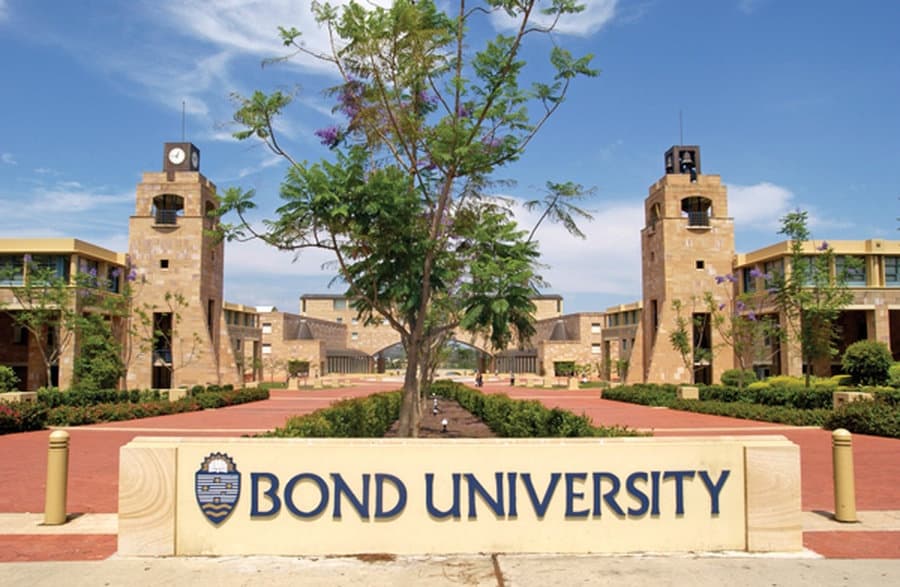
Bond University, located on the stunning Gold Coast in Queensland, is at the forefront of this development with the upcoming launch of its Bachelor of Clinical Exercise Physiology. This new program builds on the university's existing strengths in exercise and sports science, emphasizing personalized learning, industry partnerships, and practical skills that translate directly into the workplace. The initiative reflects a broader commitment in Australian higher education to produce work-ready professionals equipped to handle real-world clinical scenarios.
Details of the Teaching-Focused Academic Role at Bond University
Bond University is currently recruiting for an Assistant Professor or Senior Teaching Fellow position in Clinical Exercise Physiology and Sport within the Faculty of Health, Science and Medicine. This full-time, continuing appointment offers a unique chance to contribute to curriculum development and delivery during an exciting period of growth for the discipline. The successful candidate will play a key part in shaping the new undergraduate program, ensuring it aligns with professional standards and delivers exceptional student outcomes.
The role centers on high-quality teaching across exercise science and clinical exercise physiology subjects. Responsibilities include preparing and delivering lectures, tutorials, practical classes, and workshops. Academics in this position also handle subject coordination, assessment design, student consultations, and support for placements. A strong emphasis is placed on applied learning that prepares students for careers as exercise scientists or clinical exercise physiologists, with close collaboration involving industry partners and clinical sites.
Placement supervision forms an important component, requiring visits to external providers to ensure students gain meaningful hands-on experience. The position supports program development, student recruitment efforts, and ongoing alignment with accreditation requirements. Candidates who thrive in collaborative environments and enjoy mentoring the next generation of health professionals will find this opportunity particularly rewarding.
Essential Qualifications and Desirable Credentials for Applicants
Applicants must hold accreditation as an Accredited Exercise Scientist with Exercise & Sport Science Australia, or demonstrate clear eligibility for this credential. A Bachelor degree with Honours in a relevant field is required, alongside demonstrated success in higher education teaching through lectures, tutorials, and practical sessions. Strong interpersonal and communication skills are essential for engaging students, colleagues, and external partners effectively.
For appointment at the Assistant Professor level, a postgraduate qualification such as a PhD or Master's degree in Exercise Science, Exercise Physiology, or a closely related area is expected. Experience or genuine interest in curriculum design, practicum coordination, and professional engagement adds significant value. Desirable additional qualifications include accreditation as an Accredited Exercise Physiologist or eligibility for it, as well as Level 2 Strength and Conditioning Coach accreditation from the Australian Strength and Conditioning Association.
These requirements ensure the appointee can deliver content that meets both academic rigor and practical relevance, directly supporting student pathways to professional registration and employment.
Salary Structure and Employment Benefits at Bond University
Remuneration is competitive and will be negotiated based on the appointee's skills, qualifications, and experience. The salary bands are structured across three levels:
| Position Level | Starting Salary (AUD per annum) | Superannuation |
|---|---|---|
| Assistant Professor A | $165,010.96 | 12% (increasing to 17.5% after probation) |
| Assistant Professor B | $138,836.18 | 12% (increasing to 17.5% after probation) |
| Senior Teaching Fellow | $111,294.10 | 12% (increasing to 17.5% after probation) |
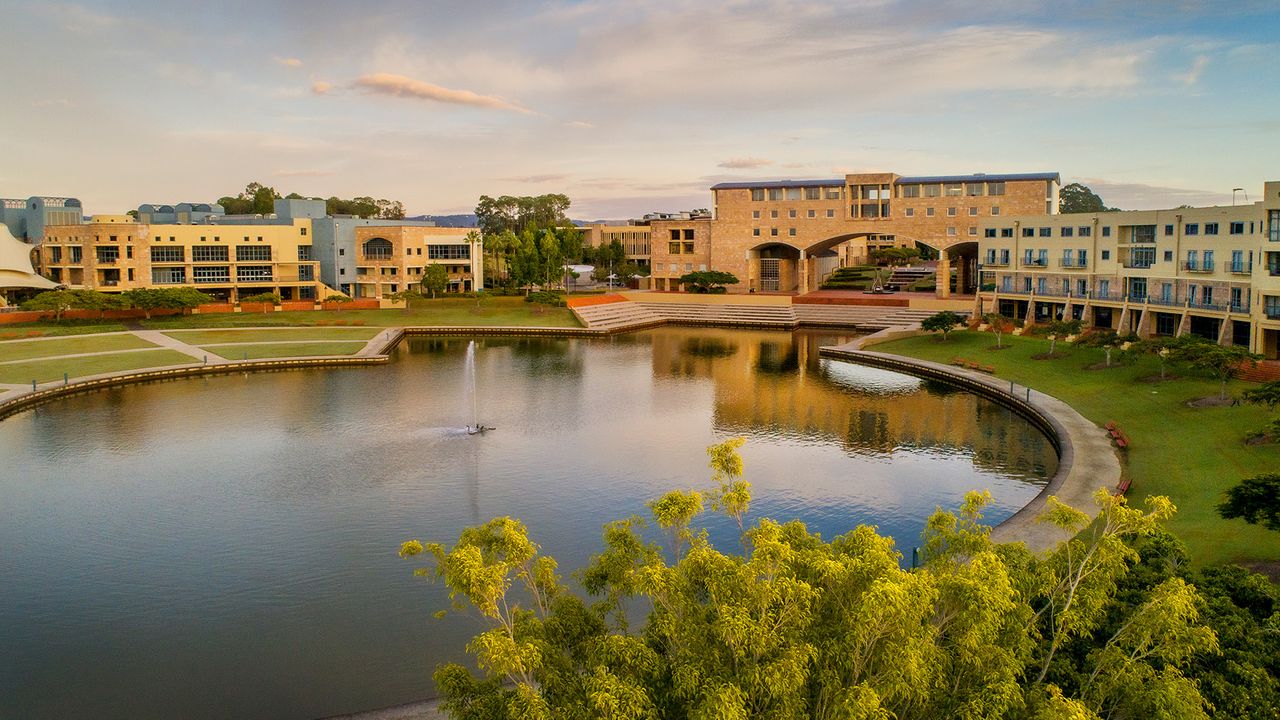
Additional benefits include free staff car parking, salary packaging options, annual leave loading, access to a comprehensive staff wellbeing program, confidential employee assistance, study assistance for staff and dependents, corporate discounts, and onsite medical and counselling services. The role offers flexible work options, including the possibility of job sharing, and is based at the Bond University Institute of Health & Sport, providing an inspiring coastal environment.
The New Bachelor of Clinical Exercise Physiology Program at Bond
Bond University's new Bachelor of Clinical Exercise Physiology is designed to equip graduates with the knowledge and skills needed for professional practice in both exercise science and clinical exercise physiology roles. The program emphasizes a highly personalized teaching approach, strong industry connections, and an applied focus that produces graduates ready to contribute immediately in clinical, community, and sports settings.
Core areas of study include human anatomy and physiology, exercise prescription for clinical populations, behaviour change strategies, pathophysiology, biomechanics, and digital health applications. Students will engage in practical placements that build confidence in assessment and intervention techniques. The curriculum aligns closely with Exercise & Sport Science Australia standards, positioning graduates for accreditation pathways upon completion.
This development comes as the university transitions elements of its existing exercise and sports science offerings, creating fresh opportunities for academics to influence program direction from the ground up. Faculty members involved will help ensure the degree meets evolving healthcare demands while maintaining Bond's reputation for teaching excellence.
Growing Demand for Clinical Exercise Physiology Professionals in Australia
The Australian job market for exercise physiologists continues to strengthen, driven by an aging population, increasing prevalence of chronic diseases, and greater emphasis on preventative healthcare and rehabilitation. Professionals in this field assess, plan, and implement exercise programs tailored to individuals managing conditions such as cardiovascular disease, diabetes, musculoskeletal injuries, and mental health challenges.
Data from national sources indicate approximately 5,100 people employed in exercise physiology roles, with a notably young median age of 29 years and a balanced gender distribution of around 52% female. Part-time work is common, reflecting flexible career options in private practice, hospitals, community health, aged care, and the National Disability Insurance Scheme sector.
Universities play a critical role in meeting this demand by training the next wave of accredited professionals. Teaching positions like the one at Bond contribute directly to workforce development, ensuring high standards of education and practical preparation that translate into positive health outcomes for the community.
Key Skills and Competencies Developed Through Specialized Teaching Roles
Educators in clinical exercise physiology programs foster a range of competencies in students, from foundational scientific understanding to advanced clinical reasoning. Teaching often involves step-by-step guidance on conducting fitness assessments, designing evidence-based exercise interventions, monitoring progress, and adapting programs for diverse populations including those with disabilities or complex health needs.
Effective instructors also emphasize professional ethics, client communication, and interdisciplinary collaboration with physiotherapists, dietitians, and medical practitioners. Practical components build proficiency in using equipment for strength, cardiovascular, and functional training while integrating technology such as wearable devices and telehealth platforms.
By mentoring students through placements and research-informed projects, academics help bridge the gap between theory and practice, preparing graduates who can confidently enter the workforce and contribute to multidisciplinary teams.
Perspectives from Stakeholders in Australian Exercise Science Education
Students benefit immensely from dedicated teaching staff who bring real-world clinical and sports experience into the classroom. They gain not only technical skills but also the confidence to pursue accreditation and employment in competitive fields. Industry partners value graduates who understand clinical protocols and can deliver measurable results in rehabilitation and performance enhancement settings.
Universities like Bond appreciate academics who support program growth, maintain accreditation compliance, and enhance institutional reputation through quality teaching and engagement. Broader society gains from a well-trained workforce capable of addressing public health priorities, reducing healthcare costs through prevention, and supporting active lifestyles across all age groups.
These interconnected perspectives highlight why investment in academic roles within the discipline yields wide-ranging returns for education, healthcare, and community wellbeing.
Application Process and Timeline for the Bond University Position
Interested candidates should prepare a current resume and a cover letter that directly addresses the selection criteria outlined in the position descriptions available on the university website. Applications are submitted through Bond University's online portal, where an account is created automatically upon upload or manual entry of details.
Current Bond staff apply via the internal People Connect system. The deadline is 11:59pm on 9 June 2026. All applicants must hold current work rights in Australia, which will be verified during recruitment. Pre-employment checks include reference verification, qualification certification, and compliance with relevant national codes.
Enquiries regarding the role can be directed to the Head of Discipline. Shortlisted candidates will undergo a thorough selection process that values both academic credentials and demonstrated teaching passion.
Future Outlook for Exercise Physiology in Higher Education and Practice
The discipline of clinical exercise physiology is poised for continued expansion as healthcare systems prioritize non-pharmacological interventions and personalized medicine. Emerging trends include greater integration of telehealth services, data analytics for program optimization, and inclusive practices that address diverse community needs.
Australian universities are well-positioned to lead in this space by offering accredited programs that respond to workforce shortages and evolving professional standards. Academic roles focused on teaching excellence will remain essential for maintaining program quality and inspiring student success.
Professionals entering or advancing in this field can expect rewarding careers with opportunities for specialization, leadership, and contribution to research that advances evidence-based practice. The position at Bond University exemplifies the kind of opportunity that allows educators to make a lasting impact on both students and the broader health landscape.