
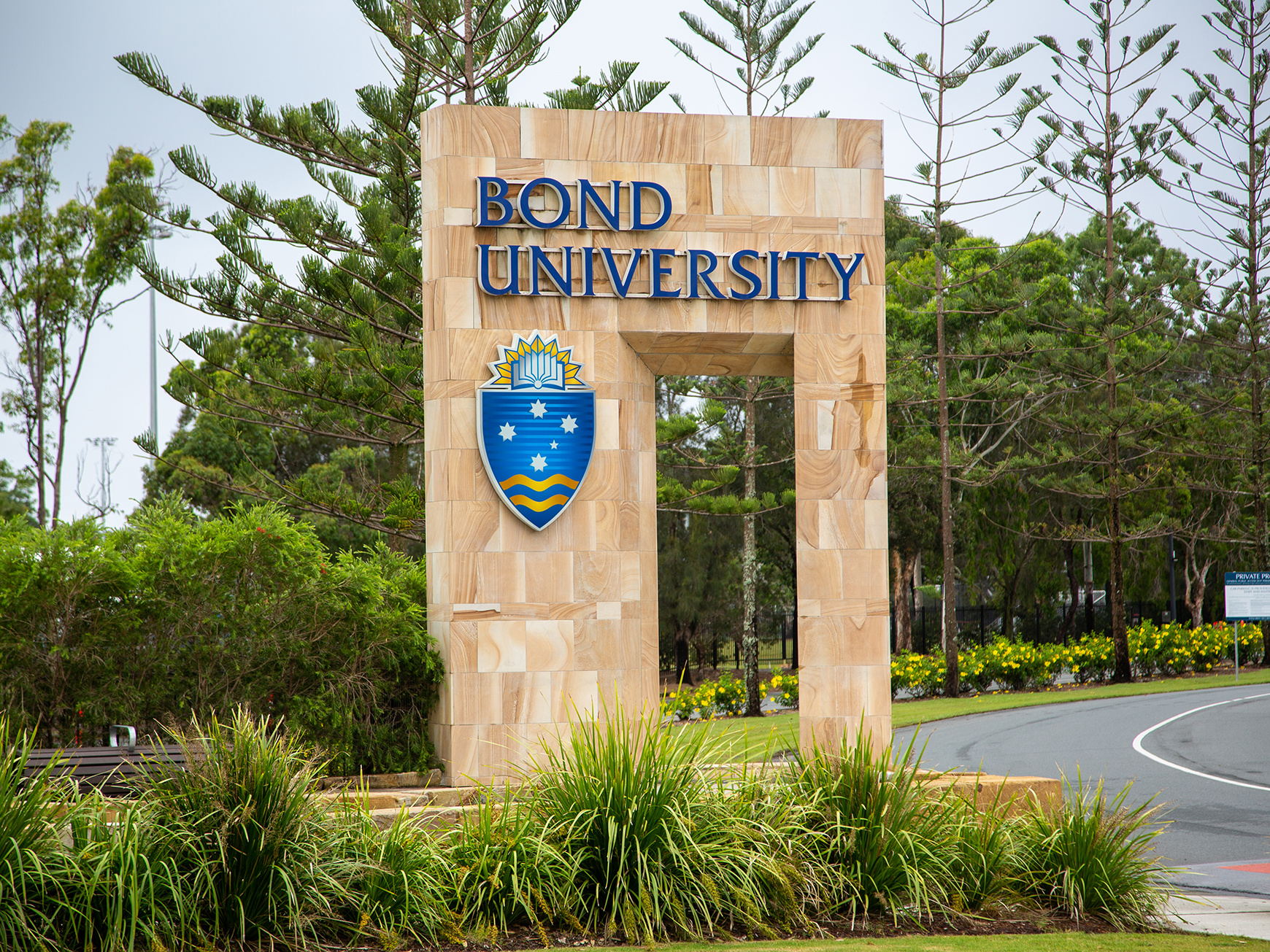
Most Expression of Interest calls for Australian PhD positions are vague enough to fit any university in any state. Bond Business School's current EOI for a PhD student in Management, Accounting, or a related discipline is different, but only if you read past the boilerplate. The position exists because Bond's research cohort is small and deliberately curated. That's your opening, if you know how to use it.
The EOI, posted on Bond University's jobs board under reference 10380, invites candidates with backgrounds in Management, Accounting, and adjacent fields to outline their research direction before committing to a full application. If you've been circling a business doctorate and want a supervisory model that doesn't bury you in a faculty of three hundred, this call deserves attention.
Here's what the job ad won't tell you directly. Bond Business School runs on three trimesters a year, operates with one of the lowest student-to-academic ratios in the Australian sector, and has held AACSB and EQUIS accreditation for its business programs. Those facts shape how your PhD would actually unfold, from your first supervision meeting to your final thesis submission.
What an EOI Actually Filters For
An Expression of Interest is not a full application, and universities that treat it as one are wasting your time. At Bond, the EOI sits before the formal Higher Degree by Research admission process. You submit a research statement, academic history, and a short pitch about why your project fits the school. A supervisor or research coordinator reads it. They decide whether to invite you into a formal application.
That two-step structure exists because a bad supervisor match costs everyone a year. Bond's business faculty is small enough that each new PhD candidate works closely with one or two supervisors throughout the degree. The EOI is the committee's way of asking one question: can this person's research agenda survive three to four years of close scrutiny?
So the EOI is a filtering tool, and you should write it like one. It isn't a mini-thesis. It's an argument for fit.
What Bond Business School Offers That Most Australian Faculties Don't
If you're weighing Bond against a sandstone university, the numbers matter. Bond University enrols roughly 5,000 students across all programs. A large Group of Eight business school might run that many students in a single faculty. The practical difference for a PhD candidate is supervision load. At Bond, your supervisor is more likely to run a handful of doctoral students, not two dozen.
Bond Business School holds EQUIS accreditation, a benchmark held by fewer than 200 business schools worldwide. The school's research output in accounting and management has grown steadily over the past decade, with particular strength in corporate governance, forensic accounting, behavioural finance, and organisational change. You can review the school's current research centres on the Bond Business School website before you draft your EOI. The full position details are also available on the AcademicJobs listing for this role.
The trimester calendar changes how a doctorate runs. Bond's academic year splits into January, May, and September semesters, which means HDR milestones don't align with the traditional February-to-November rhythm. Some candidates find this faster; others find it relentless. Know which one you are before you apply.
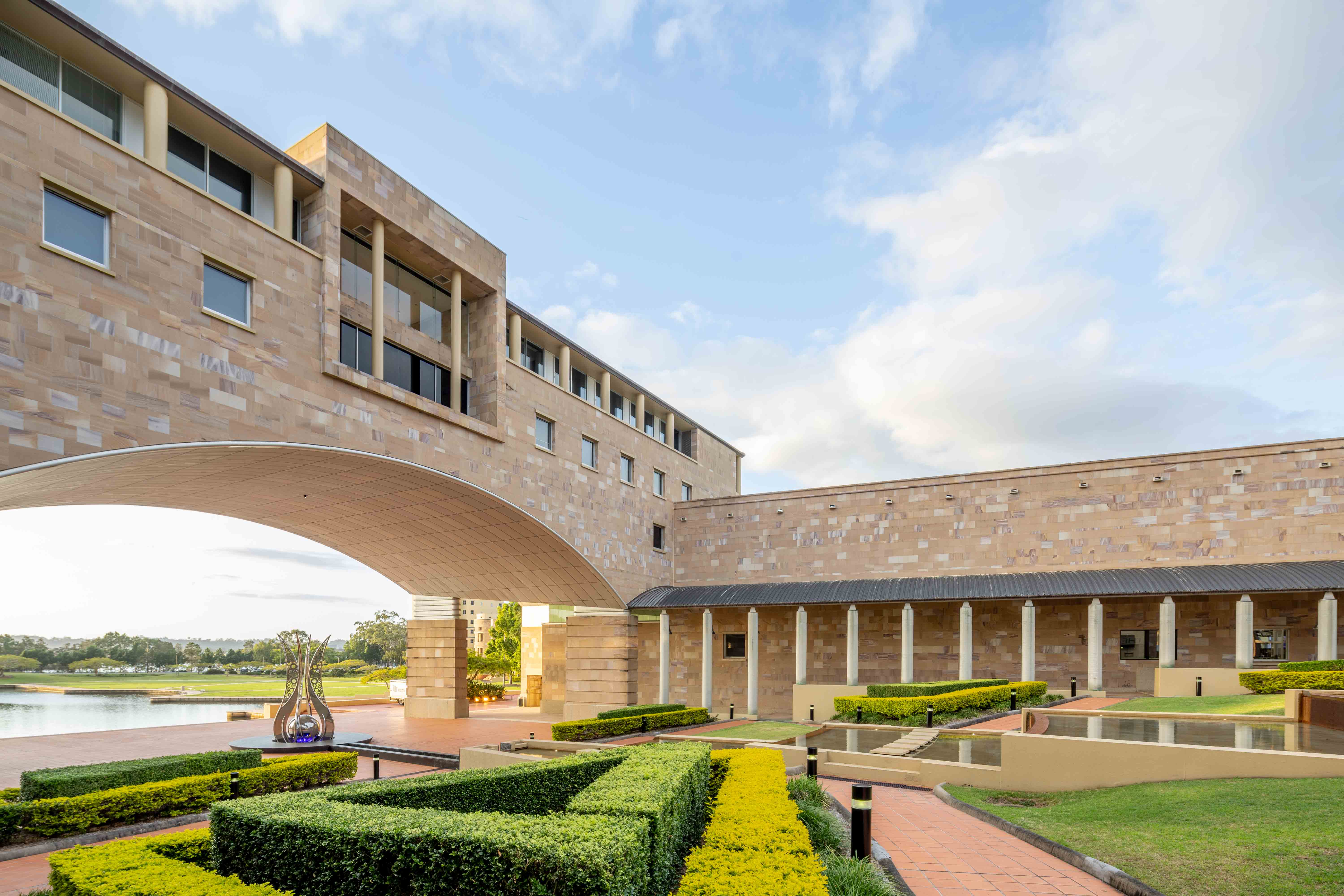
Management and Accounting Research Areas at Bond
This EOI covers more ground than the headline suggests. Management at Bond Business School spans organisational behaviour, strategy, entrepreneurship, and human resource management. Accounting includes financial accounting, management accounting, auditing, and what the school calls data-driven accounting research. The related discipline clause is where things get interesting: finance, business analytics, information systems, and data science candidates often fit when their proposed project touches one of the school's active research streams.
The people who get invited to formal application typically have one of three profiles. A bachelor's degree with first- or upper-second-class honours in business, accounting, economics, or another cognate field. A coursework master's with a substantial research component. Or professional experience paired with a research qualification, common for accounting candidates who've worked in audit or corporate finance before returning to study.
Bond's supervision model means you should identify a potential supervisor before you write a single word of your EOI. Read their recent publications. Note which journals they publish in. If you can't name one academic whose work overlaps with your proposed topic, your EOI will read as generic, and generic EOIs don't get supervisor meetings. If you're coming from a research assistant background, the guide to succeeding as a research assistant in Australia covers habits that carry into doctoral work.
Funding: What the Stipend Actually Pays
Australian domestic PhD candidates at Bond and other universities are typically funded through the Research Training Program, a Commonwealth scheme that covers tuition fees and provides a living stipend. The base full-time stipend rate is indexed annually. In 2024 it sat at $32,192 per year, with the 2025 rate adjusted upward by indexation. Bond can top this up through university and faculty scholarships, and the EOI process is where you'll find out whether a top-up exists for this particular position.
International candidates face a steeper arithmetic. You need both a tuition fee scholarship and a living stipend to make a Bond PhD viable, and the EOI should prompt you to ask early where that funding comes from. Don't assume. The Research Training Program page on the Department of Education website lays out the formal eligibility rules.
A full-time Australian business doctorate runs three to four years. A part-time path exists, but it's rare for management and accounting research because the data collection phases demand sustained attention. Most candidates complete in three and a half years when their project is well scoped from the start, which is precisely what a strong EOI demonstrates.
How to Put Together an EOI That Gets a Response
Here's the practical sequence, in order:
- Read the advertised position twice. The Bond EOI reference 10380 lists the exact documents required and the submission route. Miss a required document and your EOI's first impression is carelessness.
- Identify two potential supervisors by name. Mention them in your EOI. Reference their published work in a sentence or two. This shows you've done the homework most applicants skip.
- Write a research statement that fits on one page. State your research question, your proposed method, and why Bond specifically is the right place to answer it. Avoid sweeping claims about contributing to knowledge.
- Attach a CV structured for academic review. Lead with academic qualifications, research experience, and relevant professional work, in that order. The guide to writing a winning academic CV walks through the format committees expect, and the free CV template on AcademicJobs gives you the structure to start from.
- Get your transcripts ready before you're asked. Australian Higher Degree by Research admission requires certified academic records. Having them on hand speeds up the step between EOI and formal application.
The mistake I see most often from candidates, and the one committees quietly screen for, is submitting the same EOI to four universities with the institution name swapped. Bond's small faculty means your fit argument has to be specific. Name the school and the supervisor. Name the research centre and the published work you're building from. Specifics beat generalities every time.

What Happens After You Hit Submit
Bond's process moves faster than most Australian universities because the trimester system keeps administrative cycles short. Expect an acknowledgement within a week to ten days. If a supervisor wants to talk, that conversation usually happens within three to four weeks of the EOI deadline.
That conversation is a two-way interview. The supervisor is assessing whether your project is feasible in three to four years and whether they can supervise it competently. You're assessing whether their working style matches how you actually work. Do they meet weekly or monthly? Do they co-publish with candidates? Do they have a history of getting students to timely completion? Ask.
If you've also looked at PhD roles elsewhere, the comparison matters. Research-focused listings appear regularly in the research jobs section on AcademicJobs, and browsing them can tell you what adjacent opportunities are offering in terms of stipend, supervision load, and project scope. That context makes you a better negotiator.
One Action to Take This Week
Don't wait for the perfect research question. This week, pull your academic transcript and check your honours class against Bond's Higher Degree by Research entry requirements. If your degree doesn't meet the threshold, a research master's or a bridging qualification might be your next move, and that's better discovered now than after you've spent weeks writing an EOI.
Then open the Bond University EOI posting and read the full position description with fresh eyes. The people who get shortlisted are the ones who submit on time, with specificities, to the right supervisor.
Good EOIs don't win PhD places. Specific EOIs do.





.jpg)
.jpg)


Discussion
Be the first to comment on this article!
You’ll be asked to sign in before your comment is posted.