
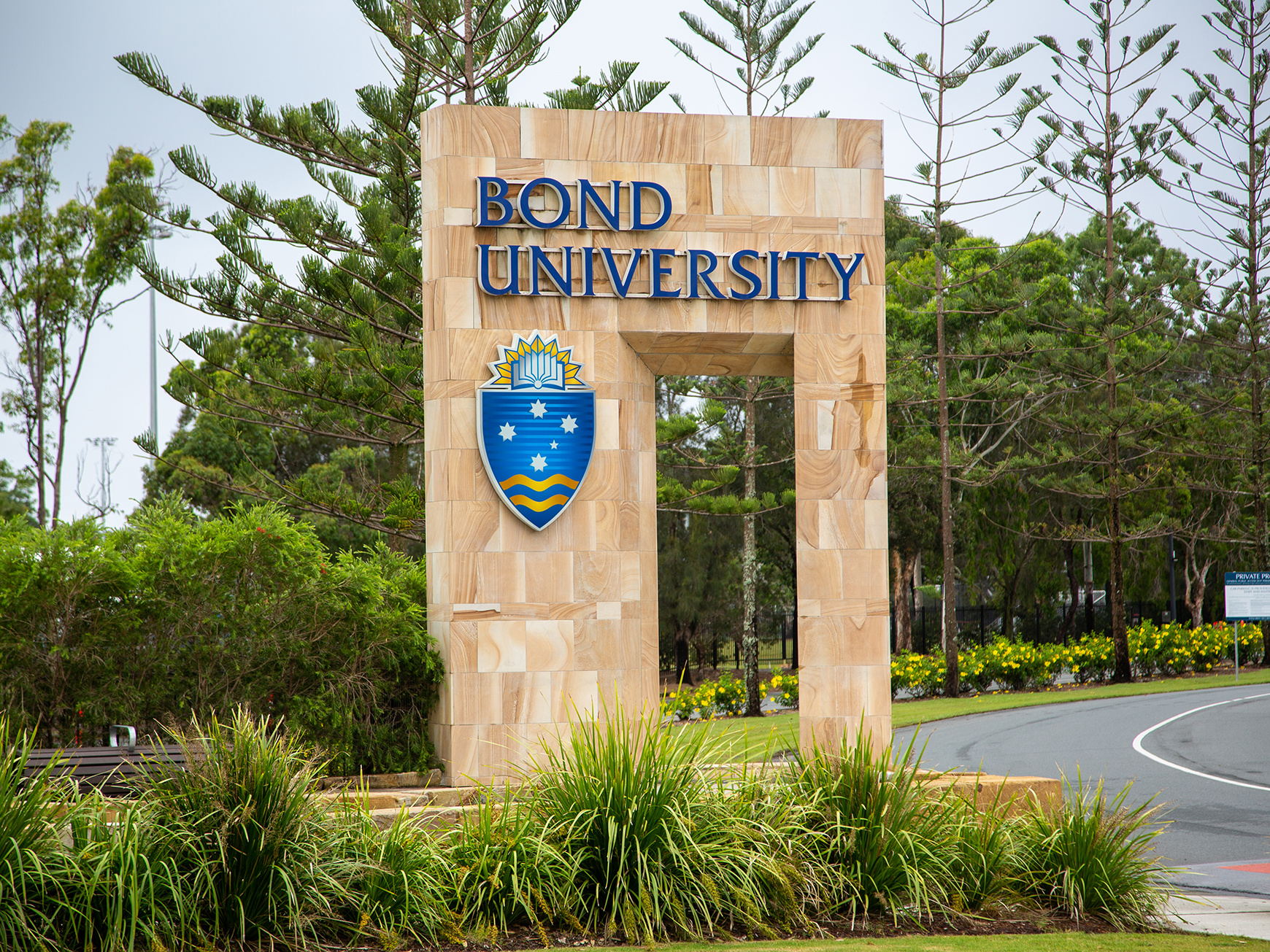
Bond University has put an Assistant Professor A or B in Architecture on the market, and if you're an architect or an architecture academic looking at the Gold Coast, open the listing before the applicant pool gets deep.
You don't need a long preamble about how competitive Australian academic jobs have become. You need to know what this role asks for, how the A/B split works, and which parts of the application deserve your time.
The position sits in the Abedian School of Architecture, which gives you a useful signal about the kind of teaching and studio culture you'd be joining.
The A/B split matters more than the title
Bond frames this as an Assistant Professor A or B appointment, which means the university is hiring at two possible academic levels under one advertisement. In Australian terms, Level A is typically an early-career academic role, often called an associate lecturer, while Level B is a standard lectureship with higher expectations for teaching, research output, and the administrative work that comes with the job.
When an employer lists 'A or B', it usually wants flexibility. A strong early-career candidate might be appointed at Level A with a development pathway. Someone who already has a PhD, design teaching experience or a research track record might step in at Level B from day one.
That flexibility is good, but it also puts the burden on you to read the position description closely. Check the minimum qualifications, the teaching load, and whether the role is continuing or fixed-term. Don't wait until the interview to ask which level the committee pegs you at.
Architecture departments are unusual in academic hiring because professional registration and practice experience can matter as much as a doctorate. If the Bond ad names registration or practice hours, treat those as real requirements, not nice-to-haves. Some universities treat a professional portfolio as equivalent to a publication list; others still default to PhD-first language. The Bond ad's A/B framing suggests the school has not locked itself into one profile, and that is worth knowing before you rule yourself out.
The school and the setting
Bond University is a private, not-for-profit university on the Gold Coast. Its architecture program is housed in the Abedian School of Architecture, a purpose-built facility named after the Abedian family, whose founding gift helped establish the school. The school runs undergraduate and postgraduate architecture degrees with a studio-based curriculum, which means you would be working in small group settings rather than only lecturing to a full theatre.
Studio teaching changes the shape of an academic job. You spend more time at a desk with students, critiquing drawings and models, than lecturing to a full theatre. If that is the part of academia you actually enjoy, a role like this is worth a close look. If you are applying mostly to escape practice, the workload will find you out quickly.
Bond runs a three-semester academic calendar, which compresses teaching into shorter blocks. If you are used to a 12-week semester, that changes preparation time and assessment turnaround, to say nothing of the rhythm of studio critiques. Factor that pace into your decision, not just the postcode.
Gold Coast cost-of-living and lifestyle factors are part of the decision, but do not let the location do all the talking. Look at what the school expects you to produce: teaching evaluations and design research, plus the strength of your building industry links.
What to look for in the job ad before you spend a weekend on it
Start with the official Bond University listing. You want four things from it before you write anything: the level expectations, the reporting line, the contract type, and the application documents required.
Most academic job ads bury the reporting line. This one names the school, but check who you would report to and whether the role sits in architecture or a broader faculty structure. That detail changes what you would actually spend your week doing.
Then look at the selection criteria. If Bond asks for a statement addressing each criterion, do not copy a generic academic CV package. Write to the architecture school's language. Show you understand studio teaching, design critique, and the challenge of marking creative work fairly.
If a portfolio is part of the application, lead with built or academic work that is relevant to the school's program. Three strong projects beat a twenty-page retrospective that buries the one thing the committee needs to see.
Also review the Abedian School of Architecture pages before applying. Look at current staff, course structure, and recent student work. That research will show up in your cover letter in ways applicants who only read the ad cannot match.
Do not skip the 'about the university' lines either. At a private university, student experience often carries more weight in hiring conversations than it does at a large public institution. If you can speak to small-group teaching, assessment turnaround and student retention, do it.
The market reality for architecture academics in Australia
Architecture academic roles in Australia sit at the intersection of two labour markets: the higher education market and the architecture industry. A licensed architect who can teach digital fabrication or sustainable design has real options outside academia. That means a university advertising an Assistant Professor role has to work harder to attract people who are not already on a PhD-to-postdoc treadmill.
For candidates, the same overlap cuts both ways. If you are coming from practice, you will need to show you can handle assessment, curriculum design and university governance after years of running project teams. If you are coming from a PhD, you will need to show you can hold your own in a design studio with students who ask how the detail gets built.
This is why the A/B framing is so common in architecture. Departments need to catch both profiles. The best applicants name which side they are coming from and then prove they have thought about the other side.
Australian architecture schools face a specific version of the talent problem: the people who teach studio well often have their own practices, and the people with strong research records often have little recent construction experience. A department that advertises A or B is trying to catch both groups without closing the door on either.
How to apply without wasting your week
Your first task is to open the official Bond listing and the full position description. Then work through the application in this order.
- Check the minimum requirements first. If you do not meet them, do not spend the weekend forcing a fit.
- Note the closing date and set your submission deadline two days earlier. University portals get slow in the final hours.
- Write a one-page cover letter that names the school, the A/B level you are targeting, and two specific things you would bring to studio teaching and design research.
- Build your CV around evidence: courses taught, studios run, papers written, buildings delivered, grants held. Use numbers where you have them but do not inflate.
- If selection criteria are required, answer each one under its own heading and keep the total response within the stated limit.
- Ask someone who works in an Australian architecture school to read the draft. They will catch tone-deaf phrases that a generic academic mentor will not.
The official application goes through Bond's careers portal. You can also see the role summarised on AcademicJobs.com, which is a useful bookmark if you are scanning similar architecture faculty roles in Australia.
Questions to ask before you accept the interview
When the invitation arrives, you should be assessing the role while the committee assesses you.
- What level does the committee expect to appoint at, and what evidence would move the appointment from A to B?
- What does a typical teaching week look like, including studio contact hours and assessment loads?
- Is there a pathway to continuing appointment, or is this fixed-term with no promise of renewal?
- Who sets the research expectations, and what support exists for design research or practice-based outputs?
- How are studio grades moderated, and what is the school's approach to external examiners?
Question lists can feel formulaic, but these five will tell you more about the real job than the formal position description.
What the better candidates will do next
The candidates who get shortlisted for architecture academic roles attach more than a CV. They read the school's recent work, check the staff list for gaps their experience fills, and then write a cover letter that sounds like a colleague, not a supplicant.
If you are serious, spend an hour on the Abedian School's site this week. Sketch three thoughts: what you would teach first, which studios you would be useful in, and what research or practice question you are currently working on. That exercise will focus your application more than any template.
Submit the application, keep a copy of your responses, and set a calendar reminder to follow up only if the listing provides a contact or timeline.




.jpg)


Discussion
Be the first to comment on this article!
You’ll be asked to sign in before your comment is posted.